
- Why Your Thyroid Needs a Different Approach
- What Makes This Thyroid Diet Different
- Building Your Thyroid-Friendly Plate
- Strategic Timing for Thyroid Medication
- What About Cheat Meals?
- Beyond the Meal Plan: The Long Game
- Getting Started with Your Thyroid Diet
- Frequently Asked Questions
Living with hypothyroidism can feel like you’re constantly dragging yourself through the day. Your energy’s gone, weight creeps up no matter what you try, and honestly? Most generic diet plans just don’t cut it. That’s where a specialized thyroid diet makes all the difference. With Anupama Menon’s personalized approach—backed by years of experience and exceptional client ratings—you’ll get a meal plan that actually works with your body, not against it.
This isn’t about restrictive eating or giving up carbs forever. It’s about smart, balanced nutrition that supports your thyroid function while keeping you energized and satisfied.
Why Your Thyroid Needs a Different Approach
Here’s the thing about hypothyroidism: your metabolism’s already sluggish. Throw a one-size-fits-all diet into the mix, and you’re setting yourself up for failure. “The same diet cannot help everyone,” Anupama told The Times of India. Your thyroid needs specific nutrients—selenium, zinc, iodine—plus the right balance of complex carbs to keep your energy steady.
Most people make the mistake of cutting carbs completely, especially at night. But complex carbohydrates like brown rice, quinoa, and vegetables? They’re actually essential. As Anupama explains in her nutrition guidance on carbs, “Carbohydrates are of two types—simple carbohydrates like sugar and Maida, and complex carbohydrates like brown carbs and vegetables. ” The complex ones support thyroid function without spiking your blood sugar.
What Makes This Thyroid Diet Different
Anupama’s approach isn’t about deprivation. It’s personalized.
Unlike cookie-cutter plans you find online, this 7-day thyroid diet considers your unique metabolism, lifestyle, and food preferences. Clients consistently share how they regain energy and lose weight without feeling lethargic or bored through Anupama’s balanced plan. That’s the difference personalization makes.
The Core Principles
- Complex carbs strategically timed throughout the day
- Protein with every meal to stabilize blood sugar
- Thyroid-supporting nutrients from whole foods
- Room for guilt-free cheat meals (yes, really)
- No extreme restrictions that tank your metabolism further
Building Your Thyroid-Friendly Plate
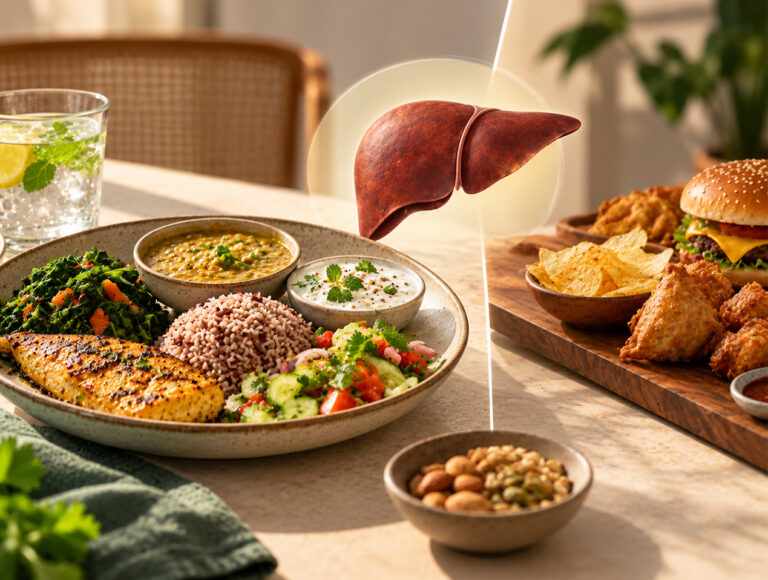
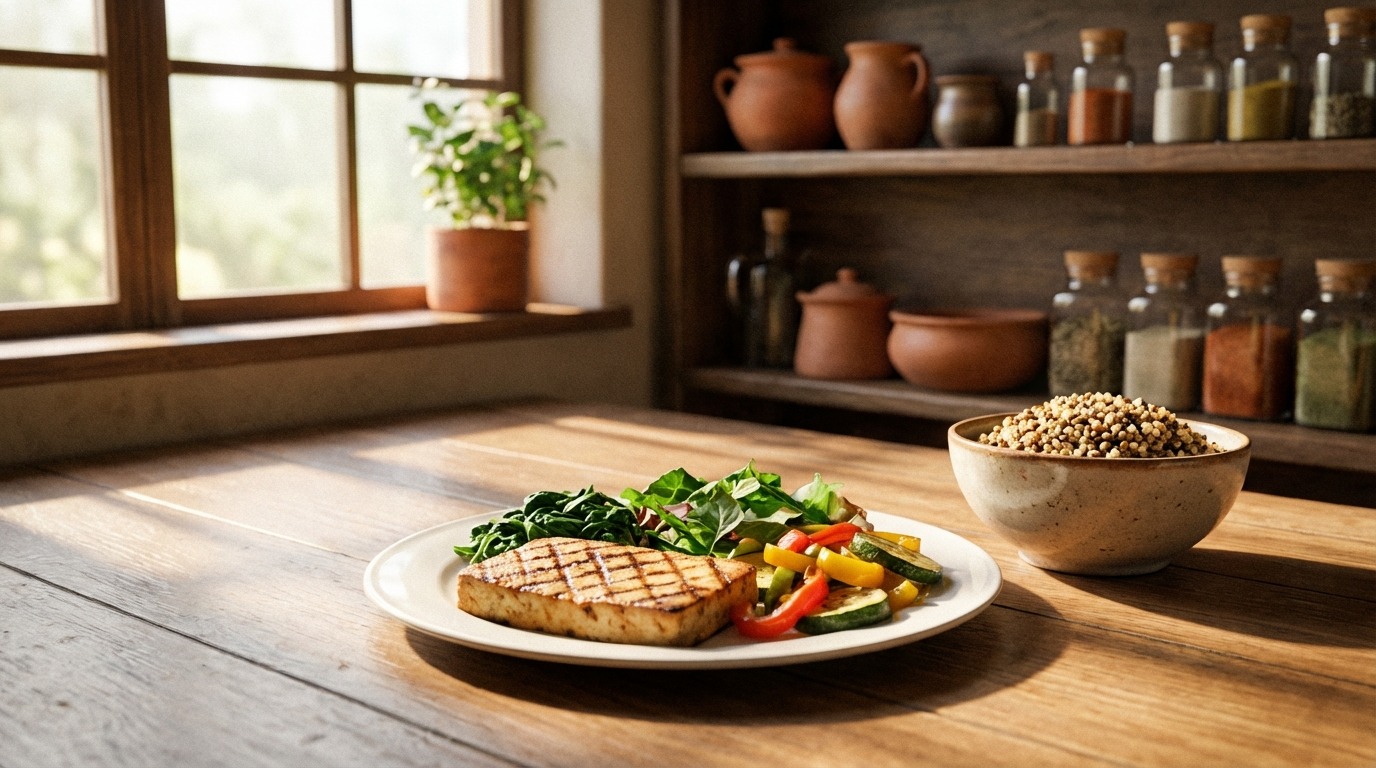
Think about your plate like this: half vegetables, a quarter protein, and a quarter complex carbs. Simple, right? But the magic’s in choosing the right foods. Leafy greens, lean proteins, and brown carbs become your foundation. And you’re not eating salads forever—Anupama’s plans include variety so you don’t get stuck in a food rut.
Should you avoid carbs at night? Not necessarily. While some thyroid patients do better limiting evening carbs, it depends on your total calorie needs and activity level. That’s where personalization beats generic advice every time.
Strategic Timing for Thyroid Medication
Real talk: when you eat matters almost as much as what you eat when you’re on thyroid medication. Most medications need to be taken on an empty stomach, at least 30-60 minutes before breakfast. Plan your first meal accordingly, and save calcium-rich foods (dairy, fortified plant milks) for later in the day since they can interfere with absorption.
What About Cheat Meals?
Yep, they’re included. Anupama’s cheat meal strategy isn’t about sabotaging your progress—it’s about sustainability. When you know you can enjoy your favorite foods strategically, you’re way more likely to stick with healthy eating the other 90% of the time. Plus, the occasional indulgence can actually help regulate hormones that affect thyroid function.
Beyond the Meal Plan: The Long Game
A 7-day meal plan provides an excellent starting point, but successfully managing hypothyroidism requires ongoing support and adjustments. Anupama provides regular follow-up consultations specifically designed for chronic thyroid conditions. As your body responds to dietary changes and your thyroid levels shift, your nutritional needs evolve—and your thyroid diet plan must adapt accordingly to maintain optimal results.
Clients love this aspect of her approach. Many call it a “game-changer” for their health, noting how the personalized attention to gut health and food preferences made all the difference.
Getting Started with Your Thyroid Diet
Ready to actually feel good again? Start by choosing the right nutritionist who understands thyroid complexities. Look for someone with verified client results and thyroid-specific experience—both boxes Anupama checks with her extensive reviews and specialized approach.
Your initial consultation will cover your medical history, current symptoms, and food preferences. From there, you’ll get a customized plan that fits your life, not some impossible-to-follow template.
The Bottom Line
Managing hypothyroidism through diet isn’t about perfection. It’s about finding a sustainable approach that supports your thyroid, gives you energy, and doesn’t make you miserable. With the right guidance and a personalized thyroid diet, you can absolutely feel better—without giving up foods you love or spending hours meal prepping.
The key? Stop trying to force your body into someone else’s plan. Work with a specialist who gets it. Your thyroid—and your energy levels—will thank you.
Frequently Asked Questions
What foods should I avoid on a thyroid diet?
While individual needs vary, most people with hypothyroidism benefit from limiting processed foods, excessive soy products, and raw cruciferous vegetables in large amounts. However, a personalized thyroid diet considers your specific sensitivities and medication interactions.
Can I eat carbs if I have hypothyroidism?
Absolutely! Complex carbohydrates like brown rice, quinoa, and vegetables are essential for thyroid function. The key is choosing the right types and timing them appropriately throughout your day based on your individual needs.
How long does it take to see results from a thyroid diet?
Most people notice improved energy levels within 2-3 weeks of following a personalized thyroid diet. Weight management results vary based on individual metabolism, but consistency with the right plan yields sustainable outcomes.
Do I need to take supplements on a thyroid diet?
Nutrient needs vary by individual. While selenium, zinc, and vitamin D are important for thyroid health, it’s best to work with a qualified nutritionist who can assess your specific requirements through proper evaluation.
Can a thyroid diet replace my medication?
No, a thyroid diet complements but doesn’t replace prescribed medication. Always continue your medication as directed by your doctor while using nutrition to support overall thyroid health and symptom management.
Not sure where to start?
Take the 7 day Nutri Trial and see what a plan built around your own kitchen actually feels like.
Start your trial