
- Your Brain’s Reward System is Running the Show
- Dopamine Isn’t About Pleasure (Plot Twist)
- Five Brain Regions Ganging Up On You
- Memory Makes Everything Worse
- Emotions Are Not Your Friend Here
- Hunger Changes the Game Completely
- The Food Deprivation Paradox
- Physical vs. Psychological: What’s the Difference?
- What Actually Helps
- Bottom Line
- FAQs
You know that moment when you suddenly need chocolate? Like, really need it. Your brain won’t shut up about it. That’s not weakness. It’s neuroscience doing its thing, and honestly, understanding what’s happening in your head makes dealing with cravings way easier. The psychology behind cravings involves this wild mix of brain chemistry, memory, and emotions that basically hijacks your decision-making. And yes, that meal cheat you’re thinking about right now? There’s a whole lot of science explaining why it feels so irresistible.
Your Brain’s Reward System is Running the Show
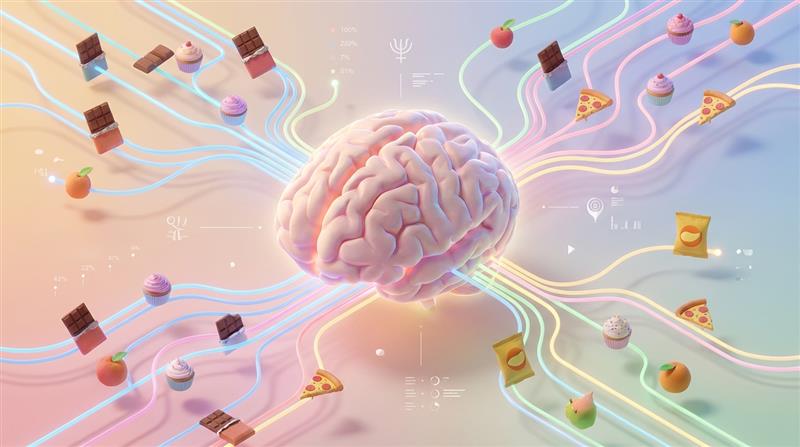
Think of your brain’s reward system as this intricate network designed to keep you alive. It reinforces behaviors that enhance survival—eating, socializing, staying safe. Makes sense, right?
But here’s where things get interesting. According to Harmony Ridge Recovery Center, non-essential rewards can hijack this system completely. That piece of cake? It releases dopamine—a pleasure neurotransmitter—more intensely than natural rewards your brain expects. Your reward system can’t really tell the difference between “I need food to survive” and “I want that specific dessert because it tastes amazing.”
So when you’re planning your next meal cheat, you’re not just thinking about food. Your brain is anticipating that dopamine hit. And that anticipation? That’s the craving itself.
Dopamine Isn’t About Pleasure (Plot Twist)
Most people think dopamine equals happiness. Nope.
Dopamine signals anticipation and reward. It’s released during cravings, not just when you finally eat that burger. Your brain learns: “Last time I had this, I felt good. Let’s do that again.” Over time, though, your brain reduces its own dopamine production when it gets used to regular boosts from certain foods or substances. Research from AM Healthcare shows this creates withdrawal symptoms when you don’t get what you’re craving. Suddenly, your baseline mood drops. You feel irritable. And that meal cheat starts looking like the only solution.
The addiction cycle isn’t just for drugs. Food works the same way neurologically.
Five Brain Regions Ganging Up On You
When a craving hits, it’s not one part of your brain acting up. It’s a whole coordinated attack.
Here’s what research from the North Carolina Medical Society found about which brain regions activate during food cravings:
- Hippocampus: Stores memories of past food experiences, linking specific foods with pleasure or comfort
- Insula: Processes taste perception and emotional responses to food
- Caudate: Part of the reward pathway that reinforces habit formation
- Amygdala: Handles emotional processing, especially during stress or anxiety
- Prefrontal cortex: Your decision-making center (the one trying to resist)
Get this: these regions activate almost as intensely during food cravings as they do in someone with active drug addictions. Your brain literally treats that craving like a survival priority.
Memory Makes Everything Worse
Ever notice how certain situations trigger specific cravings? That’s your hippocampus doing its job.
Memory and learning play massive roles in craving development. Past experiences—especially those involving pleasure or relief from discomfort—get stored in your brain. When you encounter similar situations or emotions later, boom. Craving activated. If you always had ice cream after stressful days growing up, your adult brain remembers. Stressful meeting at work? Your brain suggests ice cream as the solution.
These memory-based triggers explain why your meal cheat cravings often hit at specific times or in particular environments. It’s not random.
The Chocolate-Stress Connection
Comfort eating during stress is basically self-medication. Psychology Today explains that your brain tries to fulfill emotional needs through food. Reducing stress and anxiety feels urgent, and sugary or fatty foods provide that immediate dopamine boost. Healthier coping mechanisms take more effort and don’t give that instant reward.
So you reach for the meal cheat instead.
Emotions Are Not Your Friend Here
Negative emotions amplify everything. When you’re stressed, anxious, or sad, your sensitivity to food cues skyrockets. The rewarding properties of palatable foods become more appealing. Plus, stress increases cortisol hormones, which research links directly to hunger, cravings, and compulsive eating behaviors.
People with binge eating disorder or restrained eaters experience this intensely. Dysphoria or anxiety leads to higher food intake. It’s not about willpower failing. It’s your brain chemistry responding to emotional states.
Hunger Changes the Game Completely
Think hunger just makes you want food in general? Wrong.
A study published in Frontiers in Psychology found something fascinating. Hungry participants reported significantly higher craving levels (M = 49.04) compared to sated participants (M = 17.22). The effect size was huge—η² = 0.90. But here’s the wild part: hunger didn’t just increase cravings generally. It changed what people craved.
In neutral mood states, hungry participants preferred savory foods while sated participants leaned toward sweets. Your hunger state literally modulates which specific foods you crave and how intensely.
Understanding this helps explain why that meal cheat feels impossible to resist when you’re hungry versus when you just ate.
The Food Deprivation Paradox
Here’s where most people mess up: restricting specific foods to avoid cravings.
Research from NIH/PubMed Central shows that short-term, selective food deprivation actually increases cravings for avoided foods. When you tell yourself “no chocolate ever,” your brain becomes obsessed with chocolate. The restriction itself creates the craving.
Cravings involve physiological processes too—increased salivary flow, reward-related brain activation. Your body literally prepares to eat the thing you’re craving. Fighting that with pure restriction? Pretty much guaranteed to backfire eventually.
Physical vs. Psychological: What’s the Difference?
Physical cravings relate to actual hunger signals. Your body needs fuel.
Psychological cravings? Those are deeply intertwined with your mental state. They’re triggered by emotions, memories, environmental cues, or learned associations. According to research on brain wiring and cravings, memory and hunger play such large roles in eliciting cravings that managing them becomes much easier once you understand the distinction.
That meal cheat you want right after lunch when you’re already full? Psychological craving. Your brain wants the experience, the pleasure, the emotional reward—not the calories.
What Actually Helps
Since complete suppression backfires, what works?
Addressing the underlying emotional needs rather than just fighting the symptom helps. If stress triggers your cravings, stress management becomes the real solution. Physical activity helps curb cravings by changing your neurochemical state. Some people find that planning meal cheats strategically—instead of forbidding them—reduces their power.
Basically, work with your brain’s wiring instead of against it. Recognize emotional triggers. Identify memory-based patterns. Understand when hunger is amplifying psychological cravings.
Bottom Line
Cravings aren’t character flaws. They’re complex neurological responses involving dopamine, memory, emotions, hunger states, and multiple brain regions all working together. That meal cheat calling your name? It’s triggering sophisticated neural pathways designed to keep you seeking rewarding experiences.
Understanding the psychology behind cravings gives you power. You can’t always control whether a craving shows up, but you can recognize what’s happening in your brain and respond more effectively. Address the emotional triggers. Manage your hunger states. Stop treating restriction as the solution when it’s often part of the problem.
Your brain is incredibly powerful. Once you understand how it creates cravings, you can start working with it instead of feeling hijacked by it.
Frequently Asked Questions
What causes food cravings in the brain?
Food cravings are caused by a complex interaction between five brain regions: the hippocampus (memory), insula (taste perception), caudate (reward pathway), amygdala (emotional processing), and prefrontal cortex (decision-making). These areas work together with dopamine release to create intense desires for specific foods, especially during stress or when you’re planning a meal cheat.
Is dopamine responsible for food cravings?
Yes, dopamine plays a central role in cravings by signaling anticipation and reward. It’s released during cravings—not just when eating—which explains why thinking about your favorite meal cheat can feel so powerful. Over time, your brain may reduce its natural dopamine production, making you crave specific foods even more intensely to achieve the same rewarding feeling.
Why do I crave unhealthy foods when stressed?
Stress increases cortisol levels, which directly impacts hunger and cravings. Your brain seeks quick relief from negative emotions, and sugary or fatty foods provide an immediate dopamine boost. This is why comfort eating feels like self-medication—your brain is trying to fulfill emotional needs through food rather than addressing the underlying stress.
Does restricting foods reduce cravings?
No, research shows that food restriction actually increases cravings for the avoided foods. When you completely forbid certain foods, your brain becomes obsessed with them. This deprivation paradox means that telling yourself “no chocolate ever” makes chocolate cravings stronger, not weaker. Strategic meal cheats often work better than total restriction.
What’s the difference between physical and psychological cravings?
Physical cravings relate to actual hunger and your body’s need for fuel. Psychological cravings are triggered by emotions, memories, environmental cues, or learned associations—not nutritional needs. If you’re craving a meal cheat right after eating a full meal, that’s a psychological craving driven by your brain wanting the experience and emotional reward, not calories.
How can I manage food cravings effectively?
Work with your brain instead of against it. Address underlying emotional triggers rather than just fighting symptoms. Physical activity helps by changing your neurochemical state. Plan strategic meal cheats instead of forbidding foods completely. Recognize when hunger amplifies psychological cravings, and understand that your brain’s wiring—not willpower—drives most craving responses.
Not sure where to start?
Take the 7 day Nutri Trial and see what a plan built around your own kitchen actually feels like.
Start your trial