
Struggling with weight that won’t budge no matter what you try? Your thyroid might be the culprit. And here’s what most people don’t realize: generic diet plans fail spectacularly when your thyroid is involved. You need a different approach—one that works with your hormones instead of against them. That’s exactly what we’re diving into today.
This isn’t about restrictive eating or counting every calorie. It’s about understanding how specific nutrients support your thyroid function and keep your hormones balanced. Let’s break down what actually works.
- Why Your Thyroid Diet Matters More Than You Think
- The Iodine Balance: Getting It Just Right
- What Makes Thyroid-Friendly Diets Different
- Key Nutrients Your Thyroid Actually Needs
- Foods to Limit (Not Eliminate)
- Why Generic Doctor Advice Often Misses the Mark
- Building Your Sustainable Thyroid Diet
- Frequently Asked Questions
Why Your Thyroid Diet Matters More Than You Think
Your thyroid gland controls your metabolism, energy levels, and yes—your weight. When it’s underactive (hypothyroidism), everything slows down. Weight gain happens even when you’re eating less. Frustrating doesn’t begin to cover it.
But here’s the thing about hypothyroidism and weight gain: it’s not just about calories in versus calories out. Your body is processing food differently. According to research on hypothyroidism diet tips, the connection between thyroid function and weight is complex, involving set point weight and metabolic changes that standard diets completely ignore.
That’s why cookie-cutter meal plans don’t work on thyroid issues. Your body needs specific nutrients to function properly.
The Iodine Balance: Getting It Just Right
Iodine is crucial for thyroid hormone production. Without enough, your thyroid can’t do its job. Simple enough, right?
Wrong.
Too much iodine can actually backfire and harm your thyroid function. Excessive iodine supplementation isn’t the solution many people think is. You need the right amount from the right sources.
Best Iodine Sources for Your Thyroid Diet
Focus on these natural sources instead of popping supplements:
- Iodized salt (the easiest addition to your daily routine)
- Seaweed and kelp (but don’t go overboard)
- Fish, especially cod and tuna
- Dairy products like yogurt and milk
- Eggs (bonus: they’re packed with selenium too)
Start with food sources. Your body absorbs and regulates nutrients from whole foods way better than from pills.
What Makes Thyroid-Friendly Diets Different
Ever wonder why diet plans fail so often people with thyroid issues? It’s because most diets focus on short-term results through restriction. Fad diets. Extreme calorie cuts. Eliminate entire food groups.
None of that addresses the real problem: nutritional deficiencies and hormone imbalance.
A sustainable approach works better. Always. Instead of following the latest trend, you need a flexible diet that includes thyroid-supporting nutrients consistently. Think long-term habits, not quick fixes that leave you worse off than when you started.
Key Nutrients Your Thyroid Actually Needs
Beyond iodine, your thyroid relies on several other nutrients to produce hormones and maintain balance. Miss these, and you’re fighting an uphill battle.
Selenium for Hormone Conversion
Your body produces thyroid hormone (T4), but it needs to convert it to the active form (T3). Selenium makes that happen. Brazil nuts are your best friend here—just two or three daily gives you what you need.
Zinc and Iron: The Overlooked Duo
Low zinc and iron levels mess with thyroid function big time. Include lean meats, legumes, pumpkin seeds, and dark leafy greens. Your energy levels will thank you.
Vitamin D: More Important Than Most Realize
Vitamin D deficiency shows up constantly in people with hypothyroidism. Get some sun exposure when possible, and consider fatty fish like salmon in your weekly rotation.
Foods to Limit (Not Eliminate)
Certain foods can interfere with thyroid function when consumed in large amounts. Notice I said limit, not eliminate completely. Balance matters.
Cruciferous vegetables (broccoli, cauliflower, kale) contain goitrogens that can interfere with iodine absorption. But cooking them significantly reduces this effect. So don’t skip your veggies—just cook them well.
Soy products? Same deal. Moderate amounts are fine for most people, but going overboard might cause issues if you’re already dealing with hypothyroidism.
Why Generic Doctor Advice Often Misses the Mark
Look, doctors are great at diagnosing and prescribing medication. But nutrition? That’s often not their specialty. Generic diet advice from doctors frequently overlooks the comprehensive lifestyle evaluation you actually need.
A nutritionist takes time to understand your eating habits, lifestyle factors, stress levels, sleep quality—all the stuff that impacts your thyroid health. They create sustainable plans tailored to your specific situation, not one-size-fits-all recommendations.
Building Your Sustainable Thyroid Diet
So what does a practical thyroid diet actually look like day to day?
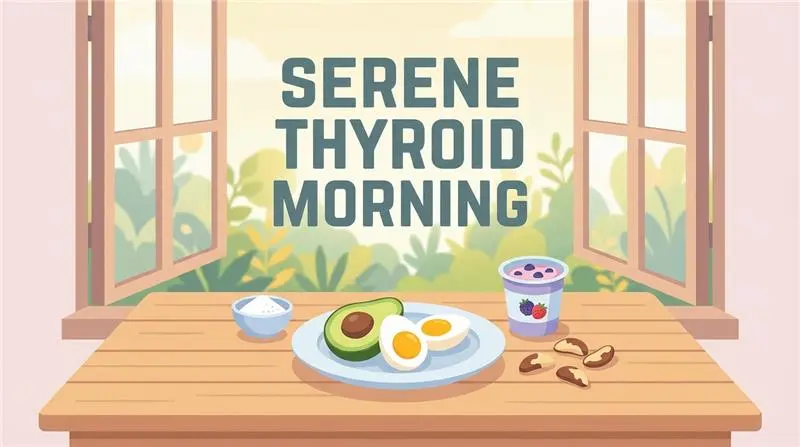
Start your morning with protein and healthy fats. Eggs with avocado. Greek yogurt with berries and nuts. This stabilizes blood sugar and supports steady energy—crucial when your metabolism is already sluggish.
Include iodine-rich and selenium-rich foods throughout the week. A few Brazil nuts as a snack. Fish twice a week. Use iodized salt in your cooking (unless your doctor specifically said otherwise).
Prioritize whole foods over processed stuff. Your thyroid needs real nutrients, not empty calories from packaged foods loaded with additives. Stay consistent with meal timing. Skipping meals might seem like a weight loss strategy, but it stresses your already-struggling thyroid further.
If you have Hashimoto’s thyroiditis (an autoimmune condition causing hypothyroidism), your dietary needs might be slightly different. Many people with Hashimoto’s benefit from reducing gluten and inflammatory foods, though individual responses vary.
Implementing a thyroid diet isn’t about perfection. It’s about consistent, sustainable choices that support your hormone balance over time. Small changes compound. Adding Brazil nuts to your routine. Switching to iodized salt. Include more fish in your weekly menu. These simple shifts make a real difference when you stick with them.
Frequently Asked Questions About Thyroid Diet
What is the best diet for thyroid patients?
The best thyroid diet includes iodine-rich foods like fish and iodized salt, selenium sources like Brazil nuts, and zinc from lean meats and legumes. Focus on whole foods, balanced meals, and consistent eating patterns rather than restrictive fad diets.
Can diet alone fix thyroid problems?
While diet is crucial for thyroid health, it typically works alongside medication for hypothyroidism. Proper nutrition supports thyroid function and helps manage symptoms, but medical treatment prescribed by your doctor remains essential for most thyroid conditions.
Should I avoid cruciferous vegetables with hypothyroidism?
No need to eliminate them completely. Cooking cruciferous vegetables like broccoli and cauliflower significantly reduces their goitrogenic effects. Enjoy them cooked in moderate amounts as part of a balanced thyroid diet.
How much iodine do I need for thyroid health?
Most adults need about 150 micrograms of iodine daily. You can meet this through iodized salt, fish, dairy, and eggs. Avoid excessive supplementation as too much iodine can harm thyroid function.
Why am I not losing weight despite eating healthy with hypothyroidism?
Hypothyroidism changes your metabolism and set point weight. Generic healthy eating might not address thyroid-specific nutritional needs. Work with a nutritionist who understands thyroid issues to create a personalized plan that supports hormone balance and sustainable results.
Not sure where to start?
Take the 7 day Nutri Trial and see what a plan built around your own kitchen actually feels like.
Start your trial