Discover practical family nutrition tips from AnupamaMenon.com to improve kids’ growth, manage picky eaters, reduce processed foods, and create healthy eating habits for the whole family.


Table of Contents
- Why Family Nutrition Matters More Than You Think
- The Balanced Plate: Your Family’s New Best Friend
- What About Those Ultra-Processed Foods?
- Hydration: The Most Overlooked Nutrition Tip
- Handling Picky Eaters Without Losing Your Mind
- Family Meals: Simple but Powerful
- Practical Tips for Busy Indian Families
- Frequently Asked Questions
Let’s be real: getting your family to eat healthy feels like an uphill battle. Between picky kids who refuse anything green, busy work schedules, and those never-ending birthday parties, maintaining good nutrition seems nearly impossible. But here’s the thing—family nutrition doesn’t require separate meal plans for everyone or fancy ingredients you can’t pronounce. What actually works? Simple, sustainable changes that fit into your real life.
According to the World Health Organization, a healthy diet protects against malnutrition while reducing the risk of chronic diseases—and that protection starts in childhood. The trick is building habits that work for both your six-year-old and you. Ready to stop the dinner-time fights and actually enjoy meals together?
Why Family Nutrition Matters More Than You Think
Your kid’s growth isn’t just about getting taller. Proper nutrition impacts everything from their concentration at school to their immune system’s ability to fight infections. WHO reports show over 390 million children and adolescents worldwide are overweight or obese. That’s staggering.
But parents face their own battles. You’re managing weight, energy levels, maybe some metabolic issues—all while trying to cook meals, everyone will eat. Sound familiar?
Thing is, when you approach family nutrition as one shared journey instead of separate diets, everything gets easier. Kids learn by watching you. Research on parental modelling confirms that when parents eat fruits and vegetables, children consume more of them too. You’re not just feeding them—you’re teaching them.
The Balanced Plate: Your Family’s New Best Friend
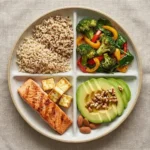
Forget complicated diet charts. The visual plate method makes healthy eating simple enough for everyone.
Here’s how it works: fill half your plate with vegetables and fruits, one-quarter with whole grains (like roti, brown rice, or millets), and one-quarter with protein (dal, chicken, paneer, eggs). Add a small portion of healthy fats—ghee, nuts, or curd.
This isn’t some trendy Western concept. Traditional Indian thalis have followed this pattern for generations. You’re just being intentional about proportions now. Best part? The same plate model works for everyone. Kids get smaller portions of the exact same foods. No cooking separate meals. No extra work.
What About Ultra-Processed Foods?
If your pantry is loaded with instant noodles, packaged biscuits, and sugary cereals, you’re not alone. Studies show ultra-processed foods make up more than two-thirds of daily energy intake in many children’s diets. These foods are engineered to be addictive—high in sugar, salt, and unhealthy fats, but low in actual nutrients.
The WHO recommends keeping free sugars below 10% of total energy intake, ideally under 5%. That’s roughly 6 teaspoons per day for kids. One can of soft drinks? Already over that limit.
Start small. Replace one processed snack with a whole food option each week. Swap packaged juice for actual fruit. Trade biscuits for homemade chivda or roasted makhana. Gradual changes stick better than drastic overhauls.
Hydration: The Most Overlooked Nutrition Tip
Water doesn’t get enough credit. Dehydration affects kids’ cognitive performance and mood—basically, they can’t think or behave their best when they’re thirsty. Yet most children don’t drink nearly enough water, especially in hot climates like India.
Make water easily accessible. Keep filled bottles visible. Add slices of cucumber or lemon if plain water feels boring. Serve water-rich foods like melons, cucumbers, and tomatoes regularly. And please cut back on sugary drinks. They add empty calories without satisfying hunger, leading to weight gain and dental problems.
Handling Picky Eaters Without Losing Your Mind
Honestly? Picky eating is developmentally normal for many kids. It’s frustrating, but forcing food creates worse problems—like food anxiety and power struggles. Here’s what works:
- Offer new foods alongside familiar favourites, without pressure
- Require a small “taste bite” instead of finishing entire servings
- Involve kids in shopping and simple meal prep—they’re more likely to try foods they helped choose
- Don’t use dessert as a reward; it makes healthy food seem like punishment
- Keep offering rejected vegetables in different forms (raw, cooked, hidden in parathas)
Repeated exposure matters more than you think. Sometimes it takes 10-15 tries before a child accepts a new food. Keep going.
Family Meals: Simple but Powerful
Research links frequent family meals—five or more per week—with healthier eating patterns and lower obesity risk in adolescents. Sitting together matters because family meals reduce mindless eating, create structure, and let you model healthy choices. Plus, kids who eat with parents consume more fruits, vegetables, and nutrients overall. No screens at the table. Just food and conversation. Even 15 minutes makes a difference.
Practical Tips for Busy Indian Families
You don’t have time to cook elaborate meals. Nobody does. These shortcuts help:
- Batch cook on weekends: Make dal, sabzi base, or dough in larger quantities
- One-pot meals: Khichdi, vegetable pulao, or mixed dal are nutritious and quick
- Smart tiffins: Roti wraps with vegetables, sprouts salad, homemade dhokla, fruit with nuts
- Healthy snacks ready: Cut vegetables with hummus, boiled eggs, roasted chana, fresh fruit
- Plan loosely: Know your dinner proteins for the week; adjust vegetables based on availability
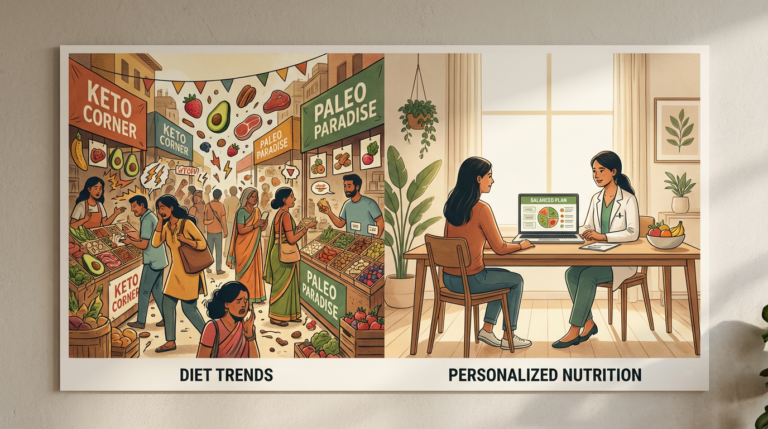
The goal isn’t perfection. It’s progress. If you’ve tried multiple approaches without lasting results, that’s a sign you need personalized nutrition support that addresses your unique metabolism and lifestyle.
Start Where You Are
Family nutrition isn’t about overhauling everything overnight. Pick one habit this week—maybe it’s sitting together for dinner three times or adding one extra vegetable to meals. Next week, add another small change.
Your kids are watching. When they see you choosing water over soft drinks, filling half your plate with vegetables, and eating without guilt, they absorb those lessons. That’s worth more than any lecture about vitamins. Real, sustainable family health happens in small, consistent steps. And honestly? That’s exactly how it should be.
Frequently Asked Questions About Family Nutrition
How can I improve my family’s nutrition without cooking separate meals?
Use the balanced plate method for everyone—half vegetables/fruits, one-quarter whole grains, one-quarter protein. Kids eat smaller portions of the same foods. Adjust portion sizes based on age and activity level, but keep the same nutritious ingredients for the whole family.
What should I do if my child refuses to eat vegetables?
Don’t force it. Offer vegetables alongside familiar foods without pressure. Involve kids in meal prep, serve vegetables in different forms (raw, cooked, blended), and keep offering rejected items repeatedly. It often takes 10-15 exposures before acceptance. Model eating vegetables yourself—kids copy what they see.
How much water should my child drink daily?
Water needs vary by age, activity level, and climate. Generally, children aged 4-8 need about 5 cups daily, while those 9-13 need 7-8 cups. In hot climates like India, increase intake. Make water accessible, add natural flavours like lemon if needed, and serve water-rich foods regularly.
Can I lose weight while feeding my growing children healthy meals?
Absolutely. The same balanced plate works for weight management—you simply control portions more carefully and might reduce grain portions slightly. Avoid labelling foods as “good” or “bad” around children. Focus on feeling energetic and healthy rather than discussing dieting, which creates a positive food environment for everyone.
How do I handle festival foods and birthday parties?
Balance matters more than restriction. Maintain regular meals before celebrations, enjoy traditional foods mindfully during events, and return to normal routines afterward without guilt. Teaching kids that special foods are part of celebrations—not daily staples—creates healthier relationships with food than strict banning.
Ready When You Are
We’re just a message away from getting started.