
- Why High-Protein Low-Calorie Eating Matters in 2026
- The Protein Uthappam Revolution
- The Fiber Timing Secret
- PMOS-Friendly Meals That Actually Taste Good
- Diabetes-Friendly Indian Recipes Without the Carb Overload
- Making These Recipes Work in Real Life
- The 2026 Functional Nutrition Approach
- Frequently Asked Questions
Let’s be real: finding time to cook healthy meals when you’re juggling work, family, and everything else? Nearly impossible. But here’s the thing—eating well doesn’t mean spending hours in the kitchen. Anupama Menon, the Bengaluru-based nutritionist who’s been changing how busy women think about low calorie foods, has cracked the code on meals that actually fit into your life. We’re talking high-protein recipes that take minutes, not hours, and support everything from gut health to hormone balance.
What makes these recipes different from the usual diet food you’ve tried? They’re built around functional nutrition—ingredients that do more than just fill you up. Think protein combined with fiber-rich additions like isabgol and chia seeds. No bland chicken breasts here.
Why High-Protein Low-Calorie Eating Matters in 2026
Protein isn’t just for gym enthusiasts anymore. Women dealing with PMOS, diabetes, or just trying to maintain energy through crazy-busy days need it desperately. The difference between dragging yourself through 3 PM and actually having sustained energy? Often comes down to what you ate for breakfast.
Anupama’s approach focuses on low calorie foods that pack a serious nutritional punch. Her recipes on Anupama Menon specifically target conditions like insulin resistance and hormone imbalances that affect millions of women. But they’re also just smart eating for anyone who wants to feel better without obsessing over every calorie.
The Protein Uthappam Revolution
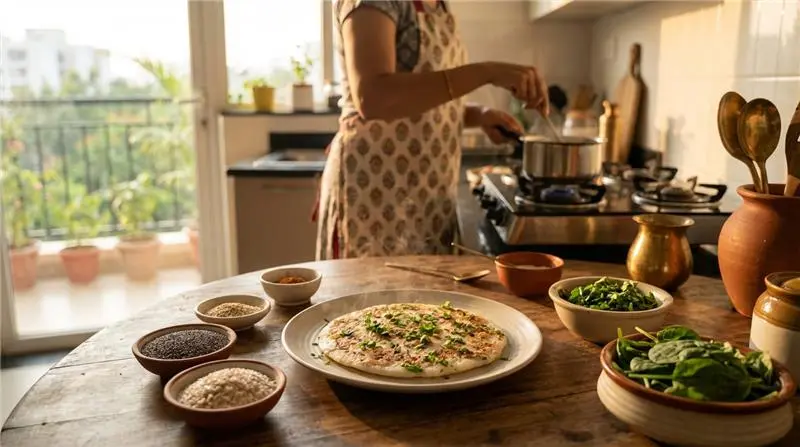
Mini Mathur recently shared a recipe that got Anupama’s stamp of approval—and honestly, it’s a genius. A protein uthappam made with protein powder, isabgol (psyllium husk), and chia seeds. Sounds weird? Maybe. Works incredibly well? absolutely.
According to the Hindustan Times, Anupama called this recipe “a gut health powerhouse,” not just another way to hide protein powder. Here’s what goes in:
- Protein powder (your choice of flavor)/
- Isabgol
- Chia seeds
- Chopped spinach and coriander
- Egg white
- Sautéed onions for topping
Mix it all together, shallow fry in ghee until golden. Done. Ten minutes, tops. And you’ve got a savory breakfast that delivers protein, omega-3s, alpha-lipoic acid, and minerals.
The Fiber Timing Secret
What makes this recipe particularly smart is the fiber combo. Anupama explains that isabgol in the morning helps kickstart your gut function, while chia seeds work differently—they’re better post-dinner for maintaining smooth bowel movements overnight. “Over time, isabgol will help the gut function properly, while chia will aid in maintaining an enviably smooth gut movement,” she notes.
PMOS-Friendly Meals That Actually Taste Good
If you’ve got PMOS, you know the drill. Everyone tells you to eat better, but most “healthy” recipes are either complicated or boring. Anupama’s collection of 16 PMOS-friendly meals changes that equation entirely.
These aren’t just low-carb versions of regular food. They’re designed to support hormone balance and insulin control—two critical factors for managing PMOS. The recipes emphasize easy breakfasts and lunches because that’s when most women struggle to make good choices. Rushed mornings and desk lunches are where diet plans usually fall apart.
The key with these low calorie foods? They keep you satisfied. High protein means you’re not hungry again in two hours, which is pretty much the whole point.
Diabetes-Friendly Indian Recipes Without the Carb Overload
Traditional Indian food is delicious but often carb-heavy. Rice, roti, dosa—all staples that spike blood sugar. Anupama’s diabetes-friendly recipes on her website reimagine these classics with low-carb twists that don’t sacrifice flavor.
Think cauliflower rice biryanis, almond flour dosas, or the protein uthappam we just talked about. They look familiar, taste familiar, but work completely differently in your body. For busy women managing diabetes, this approach is game-changing. You’re not learning a whole new cuisine—you’re just making smarter versions of what you already love.
Making These Recipes Work in Real Life
Here’s where most recipe collections fail: they assume you have unlimited time and a fully stocked pantry. Anupama’s recipes? They’re built for real life.
Prep what you can on weekends. Pre-mix your dry ingredients for protein uthappams. Chop vegetables in advance. These aren’t revolutionary tips, but they’re what makes the difference between cooking these meals and just pinning them to a board you’ll never look at again.
Also, don’t stress about perfection. If you’re out of chia seeds one morning, the recipe still works. These aren’t chemistry experiments—they’re flexible frameworks you can adapt based on what’s in your kitchen.
The 2026 Functional Nutrition Approach
Functional nutrition is trending hard in 2026, and for good reason. It’s not about calories alone—it’s about what those calories do for your body. Anupama’s recipes embody this philosophy completely.
Take that protein uthappam again. Sure, it’s low in calories and high in protein. But it’s also delivering soluble fiber for gut health, omega-3 fatty acids for inflammation, and minerals your body needs. That’s functional eating. Every ingredient earns its place by contributing something valuable.
Bottom Line: Eating Well When Time Is Tight
You don’t need hours in the kitchen to eat properly. You need smart recipes designed by someone who understands both nutrition science and real-world constraints. That’s exactly what Anupama Menon delivers with her collection of low calorie foods that support busy women’s health goals.
Whether you’re managing PMOS, controlling diabetes, or just trying to maintain energy through demanding days, these high-protein recipes give you practical options. They’re quick enough for weekday mornings, healthy enough to support your goals, and—honestly—tasty enough that you’ll actually want to eat them.
Start with one recipe this week. Maybe that protein uthappam for tomorrow’s breakfast? Your future self will thank you for the sustained energy and the fact that you didn’t spend your whole morning cooking.
Frequently Asked Questions
What makes Anupama Menon’s low calorie foods different from regular diet recipes?
Anupama’s recipes focus on functional nutrition, meaning every ingredient serves multiple purposes beyond just being low in calories. They’re designed to support gut health, hormone balance, and sustained energy while being quick to prepare for busy schedules.
Can I follow these recipes if I don’t have PMOS or diabetes?
Absolutely! While these low calorie foods are specifically beneficial for managing PMOS and diabetes, they’re excellent for any woman looking to maintain energy levels, support gut health, and eat nutritiously without spending hours in the kitchen.
How long do these high-protein recipes take to prepare?
Most of Anupama’s recipes are designed for busy women and take around ten minutes or less to prepare. The protein uthappam, for example, can be ready in under ten minutes from start to finish.
What’s the benefit of combining is abgol and chia seeds in recipes?
Isabgol works best in the morning to kickstart gut function, while chia seeds are more effective post-dinner for maintaining smooth bowel movements overnight. Together, they provide comprehensive digestive support throughout the day.
Do I need special ingredients to make these recipes?
Most ingredients are readily available at health food stores or online. The recipes are also flexible—if you’re missing an ingredient, you can often substitute or skip it without compromising the overall nutritional benefits.
How do these recipes help with hormone balance?
The high-protein, low-carb approach helps control insulin levels, which is crucial for hormone balance, especially for women with PMOS. The recipes also include ingredients rich in omega-3s and minerals that support overall hormonal health.
Not sure where to start?
Take the 7 day Nutri Trial and see what a plan built around your own kitchen actually feels like.
Start your trial