
If you’re dealing with PCOD, you’ve probably heard a million times that diet matters. But here’s what actually helps: the right foods can dial down insulin resistance, cool inflammation, and make those hormonal swings less intense. We’re not talking about some restrictive plan that leaves you miserable. Think of it more like giving your body the fuel it actually needs to function properly. Let’s break down what works and what you need to toss from your kitchen.
- Why your diet matters with PCOD
- The foods you should be eating regularly
- What needs to leave your diet
- Healthy nutrition plans that actually work for PCOD
- Real swaps you can make today
- Frequently Asked Questions
Why your diet matters with PCOD
PCOD messes with how your body handles insulin. That’s the hormone that controls blood sugar. When cells resist insulin, you get higher blood sugar levels and your body cranks out even more insulin to compensate. It’s a vicious cycle. Johns Hopkins research shows women with PCOD also deal with body-wide inflammation, which bumps up your risk for heart disease and other issues down the line.
Your food choices directly impact both problems. Certain foods spike your blood sugar fast. Others keep it steady. Some trigger inflammation, while others calm it down. Pretty straightforward, right?
The foods you should be eating regularly
Let’s start with the good stuff. These are the foods that actually help manage PCOD symptoms by keeping insulin levels stable and reducing inflammation throughout your body.
Load up on fiber-rich vegetables
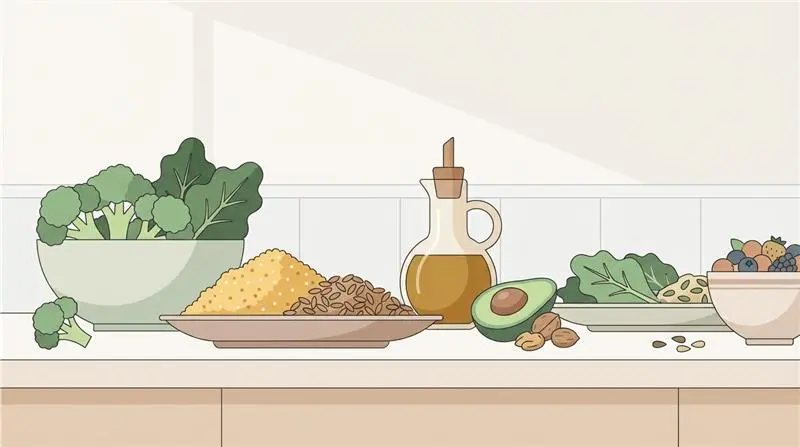
Non-starchy vegetables are your best friends. Research from Healthline explains that high-fiber foods slow down digestion, which means your blood sugar doesn’t spike as quickly. Cruciferous vegetables like broccoli, cauliflower, and Brussels sprouts pack serious fiber. Leafy greens deserve a spot on your plate every single day. Spinach, kale, Swiss chard—they’re loaded with nutrients and won’t mess with your blood sugar levels.
Choose whole grains over refined ones
Whole grains like quinoa, brown rice, and steel-cut oatmeal provide steady energy without the sugar crash. The key word here is “whole.” According to Brown Health, whole grains keep their fiber intact, which helps control insulin response. White rice and regular pasta? Those hit your bloodstream fast and cause problems.
Get protein from the right sources
Fatty fish like salmon, mackerel, and sardines are fantastic for PCOD. They’re packed with omega-3 fatty acids that fight inflammation. Studies show these healthy fats can actually reduce the chronic inflammation associated with PCOD. Other solid protein options include lean chicken and turkey, legumes like lentils and chickpeas, Greek yogurt for a protein-rich snack, and tofu and tempeh if you’re plant-based.
Don’t skip healthy fats
Fat isn’t the enemy. But the type matters. Olive oil, avocados, nuts, and seeds provide fats that support hormone production and keep inflammation in check. Just watch portions since fats are calorie-dense.
What needs to leave your diet
Now for the stuff that makes PCOD worse. These foods either spike your insulin too fast or ramp up inflammation in your body.
Refined carbohydrates are the main culprit
White bread, regular pasta, pastries, and most packaged snacks use refined flour. Johns Hopkins experts point out these foods trigger rapid blood sugar increases, forcing your body to pump out more insulin. Women with PCOD are already dealing with insulin resistance, so this makes everything worse.
Sugar in all its sneaky forms
Sugary drinks are probably the worst offenders. Soda, sweetened coffee drinks, fruit juices—they hit your bloodstream fast and cause major insulin spikes. Nutrition experts recommend reading labels for hidden sugars too: high fructose corn syrup, sucrose, dextrose, and maltose are all sugar by different names.
Processed and red meats
Bacon, sausage, deli meats, and fatty cuts of red meat increase inflammation. Research shows these foods are high in saturated fats, which worsen insulin resistance. You don’t have to eliminate them completely, but they shouldn’t be daily staples.
Fried and heavily processed foods
French fries, fried chicken, chips, and most fast food contain trans fats and excessive saturated fats. According to CCRM research, diets high in these fats directly increase insulin resistance and inflammation.
Healthy nutrition plans that actually work for PCOD
You don’t need to invent a diet from scratch. Several eating patterns have solid research backing them for PCOD management.
The Mediterranean approach
Johns Hopkins specifically recommends the Mediterranean diet because it eliminates saturated fats, processed meats, and refined sugar while emphasizing plants, whole grains, and fish. It’s basically designed to tackle inflammation head-on.
Low GI eating
GI stands for glycemic index—how fast a food raises your blood sugar. Medical News Today explains that low GI foods keep blood sugar stable, which is exactly what you need with PCOD. This means choosing sweet potatoes over white potatoes, berries over watermelon, and whole grains over refined ones.
Focus on plants
Plant-based doesn’t mean you can’t eat meat. It just means plants take center stage. Brown Health research shows plant-forward diets rich in vegetables, legumes, and whole grains help manage PCOD symptoms effectively.
Real swaps you can make today
Changing your diet doesn’t mean starting from zero. Small swaps add up: swap chips for fruit with peanut butter, choose bean pasta instead of regular wheat pasta, replace white rice with quinoa or cauliflower rice, trade sugary cereals for steel-cut oats with berries, and pick sparkling water with lemon over soda. One thing at a time. You’ll get there.
Bottom line on healthy nutrition plans for PCOD
Managing PCOD through diet isn’t about perfection. It’s about consistently choosing foods that work with your body instead of against it. Fill your plate with fiber-rich vegetables, whole grains, and lean proteins—especially fatty fish. Ditch the refined carbs, added sugars, and heavily processed foods that spike insulin and trigger inflammation. The Mediterranean and low GI approaches give you solid frameworks to follow. But honestly? Start with the simple swaps. Replace white bread with whole grain. Choose water over soda. Add more vegetables to every meal. These aren’t dramatic changes, but they make a real difference in how your body handles insulin and inflammation. You’ve got this. One meal at a time.
Frequently Asked Questions
What is the best diet for PCOD management?
The Mediterranean diet and low glycemic index (GI) eating plans are considered most effective for PCOD. These approaches focus on whole grains, vegetables, lean proteins, and healthy fats while limiting refined carbs and processed foods that spike insulin levels.
Can I eat carbs if I have PCOD?
Yes, but choose wisely. Stick to whole grains like quinoa, brown rice, and steel-cut oats instead of refined carbs like white bread and pasta. The fiber in whole grains slows digestion and prevents blood sugar spikes that worsen PCOD symptoms.
How much protein should I eat with PCOD?
Aim for a palm-sized portion of protein at each meal. Higher protein intake helps stabilize blood sugar, improves insulin resistance, and keeps you fuller longer. Good sources include fatty fish, lean poultry, legumes, and Greek yogurt.
Are there any foods that help reduce PCOD symptoms naturally?
Yes. Fatty fish rich in omega-3s (salmon, mackerel), fiber-rich vegetables (broccoli, spinach), and anti-inflammatory foods like olive oil and nuts can help reduce inflammation and improve insulin sensitivity naturally.
Should I completely avoid sugar with PCOD?
While you don’t need to eliminate all sugar, you should significantly limit added sugars and sugary drinks. These cause rapid blood sugar spikes and worsen insulin resistance. Natural sugars from whole fruits are fine in moderation due to their fiber content.
How long does it take to see results from dietary changes?
Most women notice improvements in energy levels and symptoms within 2-3 weeks of consistent dietary changes. Significant hormonal improvements typically take 2-3 months as your body adjusts to better blood sugar control and reduced inflammation.
Not sure where to start?
Take the 7 day Nutri Trial and see what a plan built around your own kitchen actually feels like.
Start your trial