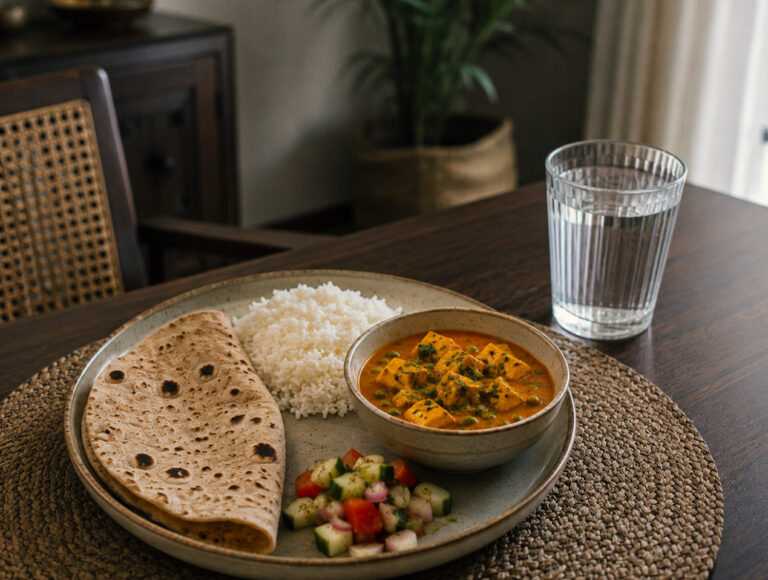
Discover how high-calorie, protein-rich meals can support fat loss by increasing thermogenesis, reducing hunger, and preserving muscle mass.


Table of Contents
- The Protein Paradox: More Calories, Less Fat?
- Why High-Protein Meals Work Differently
- The Cheat Meal for Weight Loss Angle
- What About Other High-Calorie Approaches?
- The Fiber Factor You’re Probably Ignoring
- Where Most People Mess This Up
- The Bottom Line
- Frequently Asked Questions
You’ve probably heard the standard weight loss advice a thousand times: cut calories, eat less, move more. Simple, right? Except here’s the weird part—some research suggests that strategic high-calorie meals, particularly ones loaded with protein, might actually support fat loss. Not despite the calories, but in some ways because of how your body processes them.
Sounds backwards, I know. But before you dismiss this as another too-good-to-be-true diet gimmick, let’s look at what the actual science says about how certain high-calorie approaches might help you lose fat while keeping muscle.
The Protein Paradox: More Calories, Less Fat?
Here’s where things get interesting. According to research published by the National Library of Medicine, high-protein diets can trigger weight loss and improve body composition regardless of total energy intake. That’s a pretty bold claim.
In one analysis of multiple studies, people eating high-protein diets lost an average of 3.7 kg of body weight and 3.3 kg of fat mass compared to those on high-carb diets over six months. These weren’t starvation diets either—the protein just changed how their bodies handled the calories.
The mechanism? Protein requires way more energy to digest than carbs or fats. It’s called diet-induced thermogenesis (DIT), and it basically means your body burns calories just breaking down the food. Think of it like your digestive system working overtime.
Why High-Protein Meals Work Differently
Protein does three things that make it special for fat loss, even when you’re not drastically cutting calories:
- It cranks up your metabolism through that DIT effect we just mentioned
- It keeps you fuller longer by affecting hunger hormones and amino acid levels in your blood
- It preserves your muscle mass when you’re losing weight, which keeps your metabolism from tanking
That last point matters more than you’d think. Most diets cause you to lose muscle along with fat, which slows down your resting metabolic rate. A meta-analysis of 24 trials found that high-protein diets preserved resting energy expenditure by about 142 calories per day compared to standard protein intake.
The Cheat Meal for Weight Loss Angle
So what about actual “cheat meals“—those higher-calorie breaks from your usual diet? Turns out the concept isn’t completely crazy if you do it right.
The key is making those higher-calorie meals protein-focused rather than just carb-and-fat bombs. Research from Western Kentucky University showed that when overweight adults ate high-protein breakfasts and lunches, they burned more fat for up to eight hours after eating compared to standard meals.
If you’re thinking about using this approach, aim for about 1.25 grams of protein per kilogram of body weight daily. For a 75 kg person, that’s roughly 94 grams—significantly higher than standard recommendations.
What About Other High-Calorie Approaches?
Protein isn’t the only player here. Some research on balanced high-fat diets has shown surprising results too.
A 16-week study at Vanderbilt University found that participants on a balanced high-fat diet actually decreased fat mass while increasing lean mass. They also saw drops in inflammatory markers and blood pressure.
The catch? “Balanced” is doing a lot of work in that sentence. We’re not talking about endless pizza and ice cream. The diet included adequate protein and wasn’t just a free-for-all with calories.
The Fiber Factor You’re Probably Ignoring
Want to maximize results from higher-protein eating? Pair it with fiber.
Research from the University of Illinois tracked people over 25 months and found that those who hit 80 grams of protein and 20 grams of fiber daily (while keeping calories around 1,500) saw the best weight loss outcomes.
Where Most People Mess This Up
Look, this isn’t a license to eat whatever you want. A few common mistakes can derail the whole thing:
- Thinking any high-calorie meal counts—it really needs to be protein-focused
- Ignoring total intake across the week (one strategic meal doesn’t cancel out six days of overeating)
- Choosing low-quality protein sources that don’t trigger the same metabolic response
- Expecting immediate results when this is really about long-term metabolic advantages
The Bottom Line
The science suggests that how you eat matters as much as how much you eat. High-protein meals create metabolic advantages through increased thermogenesis, better satiety, and preserved muscle mass. When done right, you can eat satisfying amounts of food while still losing fat.
Try focusing on getting adequate protein at each meal (especially breakfast and lunch), pairing it with fiber-rich foods, and watching your overall weekly calorie trends rather than obsessing over every single meal. That’s probably the most sustainable approach that lets you eat well while still making progress.
Because honestly? A fat loss strategy you can stick with beats a perfect plan you’ll abandon in two weeks. Every time.
Frequently Asked Questions
Can a cheat meal for weight loss actually help you burn fat?
Yes, when structured correctly. A protein-focused cheat meal for weight loss can support fat burning by increasing thermogenesis and preserving muscle mass. The key is making it high in protein rather than just loading up on carbs and fats.
How much protein should I eat in a strategic high-calorie meal?
Aim for about 1.25 grams of protein per kilogram of body weight daily. For optimal results, distribute this across meals, with particular focus on breakfast and lunch when metabolic benefits are most pronounced.
Will high-calorie meals slow down my metabolism?
Not if they’re protein-rich. High-protein meals actually preserve your resting metabolic rate by maintaining muscle mass during weight loss. Research shows they can preserve about 142 calories per day in metabolic expenditure compared to standard protein intake.
How often can I have strategic high-calorie meals?
This isn’t about occasional indulgence but rather a consistent approach. Focus on making your regular meals protein-rich rather than thinking of them as “cheat” days. Monitor your overall weekly calorie intake for best results.
Do I need to combine protein with anything else for fat loss?
Yes, fiber significantly enhances results. Studies show that combining 80 grams of protein with 20 grams of fiber daily produces optimal weight loss outcomes. The fiber extends satiety and works synergistically with protein.
Ready When You Are
We’re just a message away from getting started.