Discover how the best nutritionists in India help manage weight loss, PCOS, and lifestyle diseases with personalized, science-based nutrition plans for sustainable health.


Table of Contents
- Why You Need a Specialized Nutritionist
- What Makes the Best Nutritionist in India Stand Out
- The PCOS Challenge: Why Standard Diets Fail
- Weight Loss That Actually Lasts
- Managing Lifestyle Diseases Through Nutrition
- Questions You Should Ask Before Choosing
- Frequently Asked Questions
Finding the right nutritionist can feel overwhelming. You’re scrolling through endless profiles, reading confusing credentials, and still wondering—who actually gets results? Here’s the reality: India has some incredibly talented nutritionists who specialize in weight loss, PCOS management, and lifestyle diseases. But not all of them are right for you.
Let me walk you through what makes a nutritionist truly exceptional and how to find someone who’ll actually help you reach your health goals. Because honestly? Generic meal plans don’t work for conditions like PCOS or diabetes. You need someone who understands your body’s unique challenges.
Why You Need a Specialized Nutritionist
Here’s something most people don’t realize. Weight loss for someone with PCOS isn’t the same as weight loss for someone without it. The hormonal imbalances, insulin resistance, and inflammation that come with PCOS require a completely different approach.
Same goes for lifestyle diseases like diabetes or thyroid issues. You can’t just cut calories and hope for the best. You need strategic nutrition that addresses the root cause, not just symptoms. Think about it this way: would you go to a general doctor for heart surgery? Probably not. So why would you trust your complex health condition to someone who doesn’t specialize in it?
What Makes the Best Nutritionist in India Stand Out
After working with countless clients dealing with PCOS and metabolic issues, I’ve noticed patterns in what separates great nutritionists from mediocre ones.
They Actually Listen to Your Story
The best nutritionists spend time understanding your lifestyle, food preferences, and health history. They’re not just handing you a cookie-cutter diet plan they give everyone. They ask about your stress levels, sleep quality, and even your relationship with food. Because all of this matters when you’re trying to heal your body.
Evidence-Based Approaches Win Every Time
Look for nutritionists who back their recommendations with science. They should explain why they’re suggesting specific foods or supplements, not just tell you to follow their plan blindly. Research shows that personalized nutrition plans work significantly better than generic approaches, especially for conditions like PCOS where hormones play a huge role.
The PCOS Challenge: Why Standard Diets Fail
Get this: one in four women in Bangalore deals with PCOS. That’s massive. And most of them have tried multiple diets that didn’t work.
Why? Because PCOS isn’t just about what you eat. It’s about when you eat, how you manage stress, your sleep quality, and whether you’re addressing insulin resistance properly. The best nutritionists understand this complexity. They don’t just give you a meal plan—they create a comprehensive lifestyle strategy that tackles inflammation, balances hormones, and improves insulin sensitivity.
What Actually Works for PCOS
- Anti-inflammatory eating patterns that reduce oxidative stress
- Strategic meal timing to manage insulin levels
- Nutrient-dense foods that support hormone production
- Personalized supplement protocols based on your specific deficiencies
- Stress management techniques integrated with nutrition
Notice how it’s not just about eating less? That’s the difference between good and great nutritionists.
Weight Loss That Actually Lasts
Real talk: most weight loss programs fail within six months. Not because people lack willpower, but because the approach wasn’t sustainable.
The best nutritionist in India won’t promise you’ll lose 10 kilos in a month. They’ll create a realistic plan that fits your life and sets you up for long-term success. They understand that weight loss is a side effect of getting healthy, not the main goal. Fix your metabolism, balance your hormones, reduce inflammation—and weight loss follows naturally.
Managing Lifestyle Diseases Through Nutrition
Diabetes, hypertension, fatty liver, and thyroid disorders. These aren’t separate issues requiring separate solutions. They’re often interconnected with metabolic problems that respond incredibly well to strategic nutrition.
What’s interesting about lifestyle diseases is how quickly your body responds to the right dietary changes. I’ve seen clients reduce their diabetes medication within weeks of starting a proper nutrition protocol. Not by starving themselves, but by eating in a way that supports their metabolic health.
Key Nutritional Strategies
The most effective nutritionists use these approaches for lifestyle disease management:
- Blood sugar stabilization through balanced macronutrients
- Anti-inflammatory foods to reduce systemic inflammation
- Gut health optimization since most immunity lives in your digestive system
- Micronutrient optimization to support cellular function
- Practical meal planning that fits your schedule
Questions You Should Ask Before Choosing
Don’t just pick a nutritionist based on their Instagram following. Ask tough questions.
What’s your experience with my specific condition? How do you measure progress beyond weight? What happens if the initial plan doesn’t work? How accessible are you between appointments? Their answers will tell you everything you need to know about whether they’re the right fit.
Red Flags to Watch For
Some warning signs that should make you run the other way:
- Promising unrealistic results in unrealistic timeframes
- Pushing expensive supplements you can only buy from them
- Using fear-mongering tactics about certain foods
- Not considering your personal preferences or lifestyle
- Refusing to work with your doctor or other healthcare providers
Your nutritionist should be a collaborative partner in your health journey, not someone selling you miracle cures.
Making Your Decision
Bottom line? The best nutritionist in India for you might not be the most famous one. It’s someone who understands your specific challenges, uses evidence-based approaches, and creates sustainable plans you can actually follow.
Whether you’re dealing with PCOS, trying to lose weight, or managing a lifestyle disease, you deserve expert guidance that addresses your unique needs. Take your time researching, ask plenty of questions, and trust your gut when you find someone who truly gets it. Your health is worth investing in properly.
Frequently Asked Questions
What qualifications should the best nutritionist in India have?
Look for certifications in clinical nutrition, dietetics, or specialized training in areas like PCOS management or lifestyle diseases. Experience with your specific condition matters more than general credentials.
How long does it take to see results with a nutritionist?
Most clients notice improvements in energy and digestion within 2-3 weeks. Weight loss and hormonal balance typically take 2-3 months, while managing lifestyle diseases may show measurable changes within 4-6 weeks.
Can a nutritionist help with PCOS without medication?
While nutrition plays a crucial role in managing PCOS symptoms, it works best alongside medical treatment. A good nutritionist will collaborate with your doctor rather than replace medical care.
What’s the difference between a dietitian and a nutritionist?
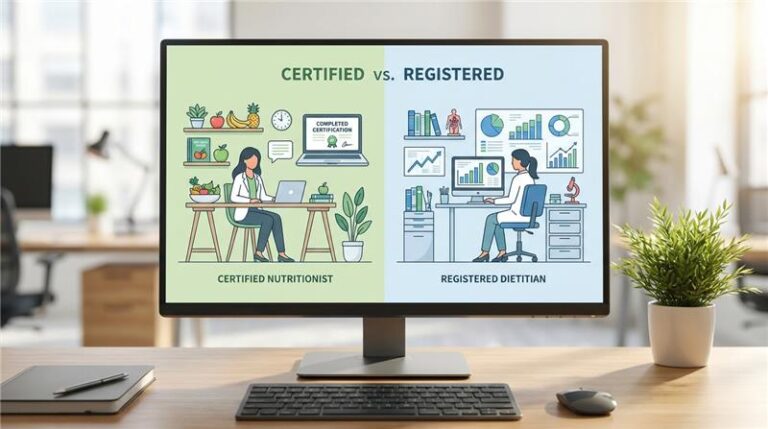
Dietitians have regulated certifications and can work in clinical settings, while nutritionist is a broader term. For complex conditions like PCOS or diabetes, look for qualified professionals with proven expertise in your specific area.
How much does consulting the best nutritionist in India cost?
Consultation fees vary widely from ₹1,500 to ₹5,000 per session depending on expertise and location. Many offer package deals for ongoing support, which provides better value and results.
Do online nutrition consultations work as well as in-person visits?
Yes, online consultations can be equally effective. They offer convenience and access to specialists regardless of location. Ensure your nutritionist provides regular follow-ups and personalized support.