
- Real-World Results That Match the Science
- How GLP-1 Medications Actually Work
- Why Clinic Support Beats Going Solo
- The Next Generation of Weight Loss Science
- What About When You Stop the Medication?
- Is a Weight Loss Clinic Right for You?
- Frequently Asked Questions
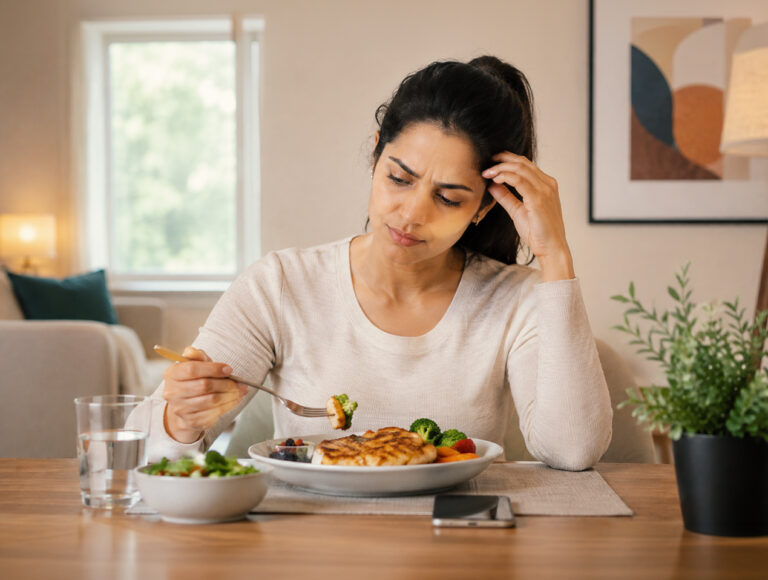
Let’s be real—diets don’t work for most people. Studies show that 80-95% of diets fail long-term, with weight creeping back within one to five years. So what’s different about a weight loss clinic? Turns out, a lot. These programs combine cutting-edge medications, personalized support, and scientific monitoring to deliver results that actually stick.
You’re probably wondering if it’s just hype. Fair question. But recent data shows something pretty remarkable.
Real-World Results That Match the Science
Here’s what caught my attention: a massive telehealth study of over 11,000 patients found that people lost an average of 18.53% of their total body weight at 18 months. At 24 months? That number jumped to 20.27%. These aren’t cherry-picked clinical trial results—this is real-world data from actual weight loss clinic patients.
That’s comparable to what pharmaceutical companies report in controlled studies. Which means the science works outside the lab too.
How GLP-1 Medications Actually Work
You’ve probably heard about drugs like Ozempic and Wegovy. They’re part of a class called GLP-1 agonists, and they do something your willpower can’t—they literally change how your body regulates appetite and food intake.
These medications mimic gut hormones that tell your brain you’re full. Simple as that. But the effects run deeper than just feeling less hungry. Research from IQVIA shows that newer versions like tirzepatide are demonstrating even better results than earlier GLP-1s.
The best part? These drugs work comparably well across different ages, races, and starting weights. That’s not always the case with weight loss treatments.
Why Clinic Support Beats Going Solo
Look, you could technically get a prescription and try this on your own. But here’s the thing—weight loss clinics provide something crucial that a prescription alone can’t: ongoing monitoring and support.
Telehealth programs in particular have cracked the code on making expert guidance accessible. Regular check-ins keep you accountable. Dosage adjustments happen based on your response. Side effects get managed before they become deal-breakers.
Plus, clinics combine medications with lifestyle modifications. Not the restrictive diet kind that makes you miserable. We’re talking sustainable changes that work with the medication, not against it. Because here’s what most people don’t get: lifestyle changes alone typically deliver only 3-10% weight loss over 6-12 months. Good, but not game-changing.
The Next Generation of Weight Loss Science
The landscape’s evolving fast. New medications like retatrutide are showing average weight losses of 28.7%. That’s wild. And oral options like orforglipron are proving they can maintain weight loss even after other medications plateau.
Weight loss experts predict that 2026 will bring major shifts toward multi-receptor agonists—drugs that target multiple pathways simultaneously for better results and fewer side effects.
Beyond Just Weight Loss
Here’s something that doesn’t get enough attention: these treatments deliver cardiovascular and metabolic benefits that go way beyond the number on the scale. Reduced blood pressure. Better cholesterol. Improved insulin sensitivity. Your heart health improves alongside your waistline.
What About When You Stop the Medication?
Honestly, this is the elephant in the room. Weight regain after stopping GLP-1 medications is real. But that’s exactly why the clinic model matters. The best programs build in maintenance strategies from day one.
Some patients transition to lower maintenance doses. Others incorporate weight-inclusive health approaches that focus on sustainable behaviors rather than just the scale. The key? Having a plan before you stop, not scrambling after the weight starts creeping back.
Is a Weight Loss Clinic Right for You?
Consider it if you’ve tried multiple diets without lasting success. If you have 20+ pounds to lose. If you’ve got obesity-related health concerns like prediabetes or high blood pressure. Working with the best dietician in Bangalore for weight loss can make all the difference in creating a personalized plan that addresses your unique needs.
The data is convincing. Real patients in real-world settings are achieving significant, sustained weight loss with proper clinical support. Not everyone needs medication to lose weight, sure. But if you’ve been stuck in the yo-yo cycle, understanding the science behind these programs might change your perspective.
Bottom line? Modern weight loss clinics aren’t selling quick fixes—they’re applying proven science with professional oversight to help people achieve what diet culture never could: actual, lasting results.
Frequently Asked Questions
How much weight can I expect to lose at a weight loss clinic?
Clinical data shows patients lose an average of 18-20% of their total body weight within 18-24 months when following a comprehensive weight loss clinic program that includes GLP-1 medications and professional support.
Do weight loss clinic medications work for everyone?
Research indicates that GLP-1 medications work comparably well across different ages, races, and starting weights, making them effective for a broad range of patients seeking medical weight loss support.
What happens if I stop taking weight loss medication?
Weight regain is possible after stopping medication, which is why reputable weight loss clinics build maintenance strategies from the beginning, including transitioning to lower doses or implementing sustainable lifestyle modifications.
Are weight loss clinics better than dieting on my own?
Studies show 80-95% of traditional diets fail long-term, while weight loss clinic programs provide ongoing monitoring, dosage adjustments, and professional support that significantly improve success rates and sustainability.
What are the benefits beyond just losing weight?
Weight loss clinic treatments often deliver additional cardiovascular and metabolic benefits including reduced blood pressure, improved cholesterol levels, and better insulin sensitivity, contributing to overall health improvement.
Not sure where to start?
Take the 7 day Nutri Trial and see what a plan built around your own kitchen actually feels like.
Start your trial