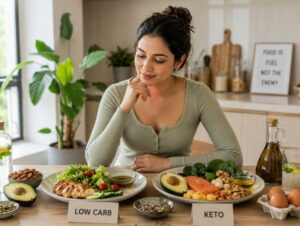

- 1. Mediterranean Diet: The Gold Standard
- 2. DASH Diet: Beyond Blood Pressure
- 3. Intermittent Fasting: Timing Matters
- 4. Flexitarian: The Realistic Plant-Based Approach
- 5. High-Protein, Low-Carb: The Mayo Clinic Way
- What Actually Matters for Success
- Your Week-One Game Plan
- Frequently Asked Questions
Let’s be real—starting a diet can feel overwhelming. You’re scrolling through endless information, and everyone’s claiming their plan is the “best.” But here’s what matters: finding something sustainable that actually works. Not another fad that leaves you hungry and frustrated by Wednesday.
I’ve pulled together five diet plans backed by real research that you can literally start today. No weird supplements. No starvation. Just solid, science-backed approaches that help you lose weight while eating actual food.
1. Mediterranean Diet: The Gold Standard
This one’s pretty much universally loved by nutritionists, and for good reason. According to research analyzing five different studies, the Mediterranean diet resulted in greater weight loss after one year compared to low-fat diets.
What makes it work? You’re eating tons of vegetables, fruits, whole grains, legumes, and nuts—with olive oil as your main fat. It doesn’t feel restrictive because you’re not cutting out entire food groups.
Start this week by swapping butter for olive oil and adding an extra serving of veggies to dinner. Make hummus with fresh vegetables. Prepare a big Greek salad with chickpeas. Simple stuff that actually tastes good.
2. DASH Diet: Beyond Blood Pressure
Originally designed to lower blood pressure, the DASH diet turns out to be excellent for weight loss too. Studies over 8-24 weeks showed more weight loss compared to control groups.
The focus here is on potassium-rich foods and cutting sodium. Think bananas, sweet potatoes, spinach, and yogurt. You’re basically eating clean, whole foods without obsessing over calories.
Your week-one move? Ditch the salt shaker and load up on fruits at breakfast. Try oatmeal with banana and berries—swapping cold cereal for hot oatmeal alone can save you 100 calories daily, which adds up to about 10 pounds a year.
3. Intermittent Fasting: Timing Matters
Here’s where people get confused. Intermittent fasting isn’t about starving yourself—it’s about when you eat, not necessarily what.
The most popular approach is 16/8: you eat within an 8-hour window and fast for 16 hours. So if you finish dinner at 7 PM, you don’t eat again until 11 AM. Honestly? Most people are just skipping breakfast and late-night snacking.
Another option is the 5:2 method, where you eat normally five days a week and restrict to 500-600 calories on two non-consecutive days. It gives your body regular breaks from digesting, which can boost fat burning.
Start small. Try pushing breakfast back an hour this week and see how you feel.
4. Flexitarian: The Realistic Plant-Based Approach
Ready to embrace more plant-based eating? The flexitarian diet focuses primarily on vegetables, fruits, legumes, and whole grains while remaining flexible enough for your lifestyle.
The beauty here is flexibility (hence the name). Load your plate with beans, lentils, tofu, tempeh, and veggies most days. The high protein from plant sources keeps you satisfied while the fiber keeps you full longer.
This week, try building meals around plant proteins. Make a chickpea curry. Build a massive veggie stir-fry with tofu and brown rice. Create hearty lentil soups. You’ll save calories without feeling deprived.
5. High-Protein, Low-Carb: The Mayo Clinic Way
The Mayo Clinic’s approach focuses on about 50 grams of net carbs daily while pumping up protein. Why does this work? Protein preserves muscle while you’re losing fat and keeps your metabolism humming.
Think scrambled eggs with spinach for breakfast. Greek yogurt with nuts for lunch. Paneer with broccoli and a small portion of quinoa for dinner. You’re cutting the pasta and bread but eating satisfying, filling meals.
Pro tip: Don’t go overboard on cutting carbs. Keep some whole grains and plenty of veggies. The goal is balance, not deprivation.
What Actually Matters for Success
Here’s the thing all these diets have in common: they emphasize whole foods over processed junk. They don’t require weird supplements or meal replacements. And they’re sustainable beyond next week.
Studies show that people who stick with the Mediterranean diet are twice as likely to maintain weight loss over 12 months. That’s what you want—not a quick drop followed by gaining it all back.
Skip the oil-heavy dressings (they pack more calories than you’d think). Prep your meals on Sunday so you’re not scrambling at 6 PM when you’re starving. And honestly? Give yourself permission to mess up occasionally. One less-than-perfect meal doesn’t ruin everything.
Your Week-One Game Plan
Pick ONE of these five plans. Just one. Trying to combine them or overthink it will sabotage you before you start.
Write down three breakfast options, three lunches, and three dinners that fit your chosen plan. Make a grocery list. Shop this weekend. That’s it—that’s your entire prep work.
Monday morning, start fresh. Don’t wait until you feel “ready” because that day never comes. The best healthy diet plan for weight loss is the one you’ll actually follow, and you can start any of these five today.
Track how you feel, not just the scale. Better energy? Sleeping well? Less afternoon crashes? Those wins matter just as much as the number dropping.
Bottom Line
You don’t need a perfect plan—you need one that fits your life. Mediterranean works if you love cooking and fresh flavors. DASH is great if you want structured guidelines. Intermittent fasting suits people who don’t love breakfast. Flexitarian gives you freedom with plant-based eating. High-protein works if you want quick satiety.
Choose based on your lifestyle, not what worked for someone else. Give it at least two weeks before deciding if it’s right for you. And remember—losing 1-2 pounds per week is actually ideal. Faster than that, and you’re likely losing muscle along with fat.
Ready to start? Pick your plan, hit the grocery store, and begin tomorrow morning. You’ve got this.
Frequently Asked Questions
Which diet plan is best for beginners?
The Mediterranean diet is often easiest for beginners because it doesn’t require drastic changes. You’re simply adding more vegetables, fruits, whole grains, and healthy fats like olive oil while reducing processed foods. It’s flexible and doesn’t feel restrictive.
Can I lose weight without counting calories?
Yes! Plans like the Mediterranean diet and flexitarian approach focus on food quality rather than strict calorie counting. By eating whole, nutrient-dense foods and controlling portions naturally, many people lose weight without tracking every calorie.
How quickly will I see results with these diet plans?
Most people see initial results within 1-2 weeks, though this varies by individual. Healthy, sustainable weight loss is typically 1-2 pounds per week. Remember that non-scale victories like increased energy and better sleep are equally important indicators of success.
Is intermittent fasting safe for everyone?
While intermittent fasting works well for many people, it’s not suitable for everyone. Pregnant women, people with diabetes, those with a history of eating disorders, and individuals on certain medications should consult their healthcare provider before starting any fasting regimen.
What if I don’t like the first diet plan I try?
That’s completely normal! Give each plan at least two weeks before switching, as your body needs time to adjust. If it still doesn’t feel right, try another option from the list. The best healthy diet plan for weight loss is one you can stick with long-term.
Do I need to exercise while following these diet plans?
While these diet plans can lead to weight loss on their own, combining them with regular physical activity enhances results and improves overall health. Even 30 minutes of moderate activity most days of the week makes a significant difference in your weight loss journey.
Not sure where to start?
Take the 7 day Nutri Trial and see what a plan built around your own kitchen actually feels like.
Start your trial