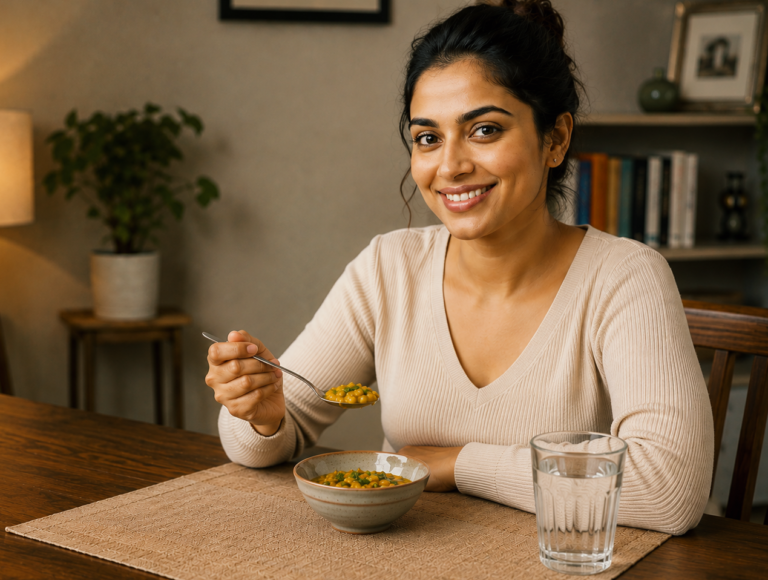
Learn the best perimenopause diet plan for Indian women with vegetarian foods, protein, calcium, and lifestyle tips to manage symptoms and weight naturally.


Table of Contents
- Why Your Body Feels Different Right Now
- What Your Plate Should Look Like
- The Calcium-Vitamin D Situation
- Whole Grains Over Refined Stuff
- Phytoestrogens: Nature’s Little Helper
- Foods That Make Symptoms Worse
- A Sample Day That Actually Works
- Don’t Forget to Drink Water
- The Exercise Part
- Frequently Asked Questions
Your periods are all over the place. One month, they show up early. The next, they ghost you completely. And what’s with the sudden belly fat when you’re eating the same dal-chawal you’ve had for years? If you’re in your 40s and noticing these changes, you’re likely in perimenopause—and honestly, it’s nobody’s fault that we don’t talk about this enough in Indian households.
The good news? What you eat can seriously help. We’re talking about smart tweaks to the Indian vegetarian foods you already cook and love. Let’s dig into what actually works.
Why Your Body Feels Different Right Now
Perimenopause is that transition phase before menopause hits. Your ovaries are winding down, so estrogen levels start doing this unpredictable dance—up one week, down the next. That’s why you might feel fine on Monday and then have hot flashes and mood swings by Wednesday.
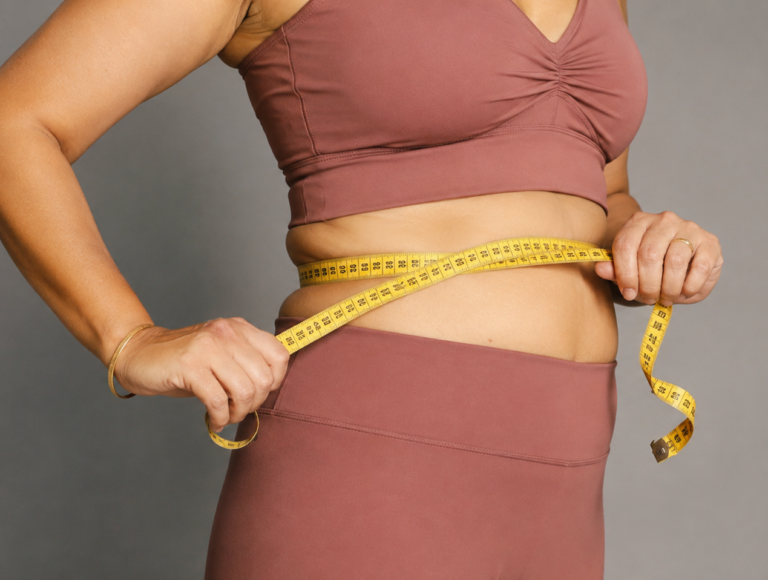
Thing is, lower estrogen also messes with how your body stores fat. Instead of hips and thighs, fat now prefers your belly. Your metabolism slows down a bit too. So yeah, weight gain during perimenopause isn’t just “eating too much”—your hormones are literally changing the rules.
What Your Plate Should Look Like
Here’s a simple visual that works: fill half your plate with vegetables, a quarter with protein, and a quarter with whole grains. This balanced plate approach keeps blood sugar steady and gives you the nutrients you need without complicated measuring.
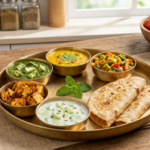
For Indian vegetarian meals, think: two small rotis, a generous bowl of sabzi, a katori of dal, and some raita or buttermilk on the side. If you’re working with the best dietician Bangalore has to offer, they’ll likely recommend this same approach tailored to your specific needs.
Vegetables: Go Big Here
Aim for 300-400 grams of vegetables daily. That’s roughly 3-4 cups cooked. Load up on palak, bhindi, lauki, karela, broccoli, beans, and carrots. The fiber helps with digestion (perimenopause can mess with that too) and keeps you full longer.
Protein Is Your Best Friend
After 40, you’re losing muscle mass faster. Protein fights back. Good Indian vegetarian sources include moong dal, chole, rajma, paneer, Greek yogurt, and sprouts. Don’t skip this. Your metabolism literally depends on maintaining muscle.
The Calcium-Vitamin D Situation
Real talk: most Indian women don’t get enough of either. And with estrogen dropping, your bones lose density faster. The Indian Menopause Society recommends 1,000-1,500 mg of calcium daily plus vitamin D to actually absorb it.
Get your half litre of low-fat milk or equivalent dairy every day. That could be 2 cups of milk, or swap in curd, buttermilk, and paneer. Add ragi to your rotis. Eat til (sesame seeds) in laddoos or chutney.
And get some morning sunlight—15 minutes on your arms and face helps your body make vitamin D.
Whole Grains Over Refined Stuff
You don’t have to ditch rice and roti completely. But switching some meals to millets makes a difference. Try ragi dosa for breakfast, or jowar roti for dinner. Brown rice instead of white sometimes. Even mixing bajra flour into your regular atta works.
Whole grains keep blood sugar from spiking, which matters because perimenopause can increase insulin resistance. Plus, the fiber keeps things moving if you’re dealing with constipation.
Phytoestrogens: Nature’s Little Helper
These are plant compounds that mimic estrogen mildly in your body. Won’t replace what your ovaries made, but might ease hot flashes a bit. Soy products, flaxseeds, fenugreek (methi), and legumes are good sources.
One tablespoon of ground flaxseeds in your smoothie or dal. Soya chunks in your pulao or biryani. Methi paratha for lunch. Simple vegetarian additions.
Foods That Make Symptoms Worse
Some things can trigger hot flashes and make sleep harder. Doesn’t mean you can never have them—but notice what affects you.
- Spicy food – that extra mirch might bring on a hot flash
- Caffeine – cut back to 1-2 cups of chai, especially after 3 PM
- Sugary snacks and maida – blood sugar rollercoaster = mood swings and cravings
- Deep-fried pakodas and samosas – saturated fat isn’t doing your heart or waistline any favors
Limiting these inflammatory foods helps your body handle the hormonal transition better.
A Sample Day That Actually Works
Let me give you something practical you can follow tomorrow:
Early morning: Warm water with half a lemon
Breakfast: Vegetable poha with peanuts + buttermilk, or ragi dosa with coconut chutney
Mid-morning: Apple or guava (100-200g fruit) + handful of almonds
Lunch: 2 multigrain rotis + mixed veg sabzi + moong dal + small bowl of curd
Evening: Roasted chana or sprouts chaat + green tea
Dinner: Vegetable khichdi or dal-chawal (smaller portion) + raita
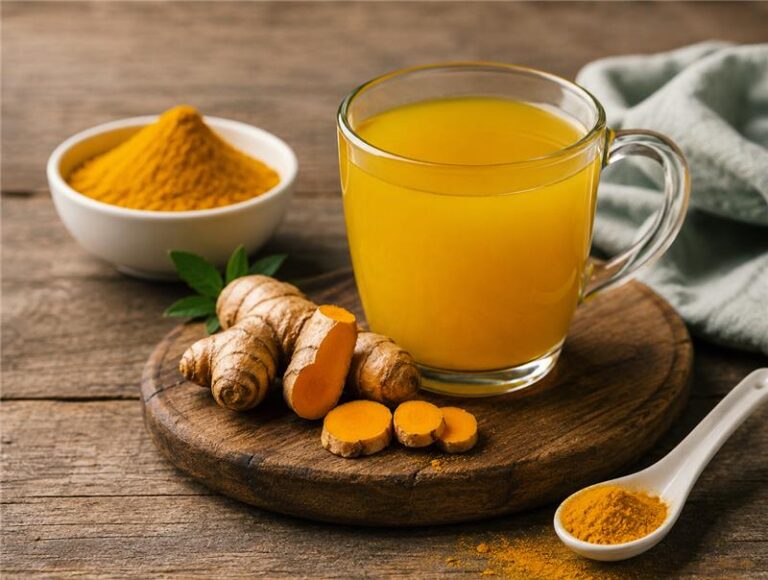
Before bed: Haldi milk with 5 soaked almonds
Notice it’s not starvation. It’s just smarter choices with Indian vegetarian foods you already know how to cook.
Don’t Forget to Drink Water
Sounds basic, but 8-10 glasses daily helps with bloating, keeps your skin better, and supports your metabolism. Add coconut water or nimbu paani if plain water bores you. Buttermilk counts too.
The Exercise Part (Yes, It Matters)
Diet alone won’t cut it. You need movement—especially weight-bearing exercise like walking, dancing, or even climbing stairs. Thirty minutes most days. It protects your bones, maintains muscle, and actually helps with mood swings and sleep.
Yoga works great too. Not just for flexibility—it genuinely helps manage stress, which can make every perimenopause symptom feel worse.
Bottom Line
Your perimenopause diet plan doesn’t need to be complicated or full of foods you’ve never heard of. Focus on more vegetables, adequate protein from vegetarian sources, whole grains, and cutting back on fried and sugary stuff. Stay hydrated. Move your body regularly. Get enough calcium and vitamin D.
Small, consistent changes beat dramatic overhauls that you can’t sustain. If you need personalized guidance, consulting with the best dietician Bangalore offers can help you create a plan that fits your lifestyle. Your body’s going through a major transition—feed it well, and it’ll handle perimenopause a whole lot better. You’ve got this.
Frequently Asked Questions
What is the best diet for perimenopause in India?
A balanced Indian vegetarian diet rich in vegetables, whole grains like millets, protein from dal and paneer, and adequate calcium from dairy works best. Focus on home-cooked meals with minimal processed foods.
Can diet really help with perimenopause symptoms?
Yes, absolutely. The right foods can reduce hot flashes, stabilize mood swings, improve energy levels, and help manage weight gain. Phytoestrogen-rich foods like soy and flaxseeds are particularly helpful.
How much protein do I need during perimenopause?
Aim for protein at every meal. Good vegetarian sources include moong dal, chole, rajma, paneer, Greek yogurt, and sprouts. Protein helps maintain muscle mass, which naturally declines after 40.
Should I avoid spicy food during perimenopause?
Spicy foods can trigger hot flashes in some women. Pay attention to your body’s response. If you notice spicy meals worsen symptoms, reduce the mirch and opt for milder preparations.
How can I prevent weight gain during perimenopause?
Combine a balanced diet with regular exercise. Slightly smaller portions, more vegetables, whole grains instead of refined ones, and daily movement help manage the metabolic changes that come with hormonal shifts.
Do I need supplements during perimenopause?
Most women benefit from calcium and vitamin D supplements, as it’s hard to get enough from diet alone. Consult with a qualified nutritionist or the best dietician Bangalore has available to assess your specific needs.
Ready When You Are
We’re just a message away from getting started.