Learn why personalized nutrition works better than generic diets after 40. Explore protein needs, strength training, hormone balance, and tailored strategies for lasting weight loss.


Table of Contents
- Your Body After 40 Isn’t Playing Fair
- The Science Behind Personalized Nutrition
- Why Generic Plans Set You Up to Fail
- Protein: Your Secret Weapon After 40
- What a Real Personalized Nutrition Program Looks Like
- The Strength Training Component You Can’t Skip
- Small Changes That Actually Matter
- What Success Actually Looks Like
- Getting Started with Your Personalized Plan
- Frequently Asked Questions
Remember when you could skip dessert for a week and drop five pounds? Those days are gone. After 40, your body plays by different rules—and that cookie-cutter diet plan that worked for your younger coworker? It’s not going to cut it for you. Here’s why: your metabolism, hormones, gut bacteria, and even how you respond to specific foods have all changed. What you need now is a personalized nutrition program that treats you like the unique human you are, not just another calorie-counting statistic.
Your Body After 40 Isn’t Playing Fair
Let’s be real about what’s happening. Your metabolism has slowed down, you’re losing muscle mass every year (sarcopenia, if we’re getting technical), and your hormones are doing their own thing. Estrogen and progesterone levels shift during perimenopause and menopause, making it easier to store belly fat and harder to maintain muscle.
But here’s what most people miss: these changes aren’t identical for everyone. One woman might see dramatic insulin resistance. Another struggles with gut issues. Your best friend might sail through menopause while you’re battling weight gain and mood swings.
That’s exactly why generic “over 40” diet plans fail. They assume all women experience aging the same way. They don’t.
The Science Behind Personalized Nutrition
Think personalized nutrition is just marketing hype? The research says otherwise. A landmark study called POINTS enrolled over 1,000 adults to test whether individualized dietary recommendations work better than conventional one-size-fits-all approaches. Spoiler: they do.
Even more interesting—scientists at Stanford Medicine discovered that your gut microbiome, certain protein levels, and even your exhaled carbon dioxide can predict whether you’ll successfully lose weight. Your body literally has a metabolic signature that determines how you’ll respond to different foods.
What does this mean for you? That keto diet your sister swears by might tank your energy. Intermittent fasting could mess with your hormones. A high-carb plan might work beautifully—or send your blood sugar on a roller coaster.
Why Generic Plans Set You Up to Fail
Here’s the deal with most diet plans. They give you a calorie target (usually too low), tell you to “eat clean,” and maybe throw in some exercise advice. Done.
Missing from that equation:
- Your unique protein needs based on muscle mass and activity level
- How your gut bacteria influence hunger and cravings
- Whether you have insulin resistance or blood sugar issues
- Your stress levels and sleep quality (which affect weight more than you’d think)
- Medications you’re taking that impact metabolism
- Your actual schedule and food preferences
According to Nutrola, women over 40 underestimate their caloric intake by 35–50%. Not because they’re lying—because tracking accurately is genuinely hard without proper tools and guidance.
Protein: Your Secret Weapon After 40
If there’s one area where personalization matters most, it’s protein. Generic plans might recommend 50-60 grams daily. That’s nowhere near enough to preserve muscle in your 40s and beyond.
Research from ZOE shows that high-protein diets help older adults maintain muscle while losing fat. But how much do you need? Reverse Health suggests 0.7–1.0 grams per pound of body weight—distributed across meals.
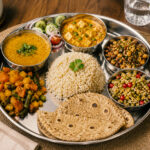
A 150-pound woman might need 120 grams daily, with roughly 30 grams per meal. For a personalized diet plan featuring vegetarian Indian foods, that’s about 1 cup cooked dal (lentils), 1 cup paneer (cottage cheese), or 1.5 cups chickpea curry at each sitting. Most women? They’re eating half that amount.
Plus, timing matters. Post-workout, your body needs 25–40 grams of protein within 1–2 hours to maximize muscle recovery. Think moong dal cheela (lentil pancakes), besan chilla (chickpea flour pancakes), or a protein-rich smoothie with Greek yogurt and nuts.
What a Real Personalized Nutrition Program Looks Like
Forget meal plans that tell everyone to eat grilled chicken and broccoli. A true personalized nutrition program starts with understanding your body.
That might include:
- Blood work to check fasting insulin, lipid profiles, and inflammation markers
- Gut microbiome testing to identify bacterial imbalances
- Tracking how different foods affect your energy and blood sugar
- Calculating protein, fat, and carb targets based on your body composition and goals
- Adjusting macros every 2–3 weeks based on progress, hunger, and how you feel
Some programs like ZOE use at-home microbiome tests. Others like Midi Health offer telehealth consultations with clinicians who specialize in menopause. The key is: they’re gathering your data, not applying someone else’s blueprint.
The Strength Training Component You Can’t Skip
Nutrition alone won’t cut it. After 40, you’re losing muscle mass year by year. The only way to fight back? Resistance training.
Midi Health recommends 2–4 strength sessions weekly, plus 150 minutes of moderate cardio. Not because it’s trendy—because muscle is metabolically active tissue. More muscle means a higher resting metabolism, better blood sugar control, and easier weight maintenance.
Pair that with post-workout nutrition (30 grams protein plus 30–60 grams carbs within two hours), and you’re actually building or maintaining muscle while losing fat. Generic plans that focus only on cardio and calorie restriction? They’re burning muscle along with fat, setting you up for metabolic slowdown.
Small Changes That Actually Matter
Honestly, some tweaks deliver outsized results when they’re personalized to your situation.
Start here:
- Track your food honestly for one week. Use an app with a scanner. You’ll probably discover hidden calories you didn’t realize you were consuming—especially from beverages and “healthy” snacks.
- Bump fiber to 30+ grams daily. Nutrola emphasizes this for gut health and satiety. Include sabzi (vegetable curries), whole wheat rotis, brown rice, and rajma (kidney beans).
- Prioritize 7+ hours of sleep. Sleep deprivation messes with ghrelin (hunger hormone) and leptin (fullness hormone). You’ll crave junk food and struggle with portion control.
- Reduce alcohol to under 3 drinks weekly. Those liquid calories add up, and alcohol disrupts sleep and fat metabolism.
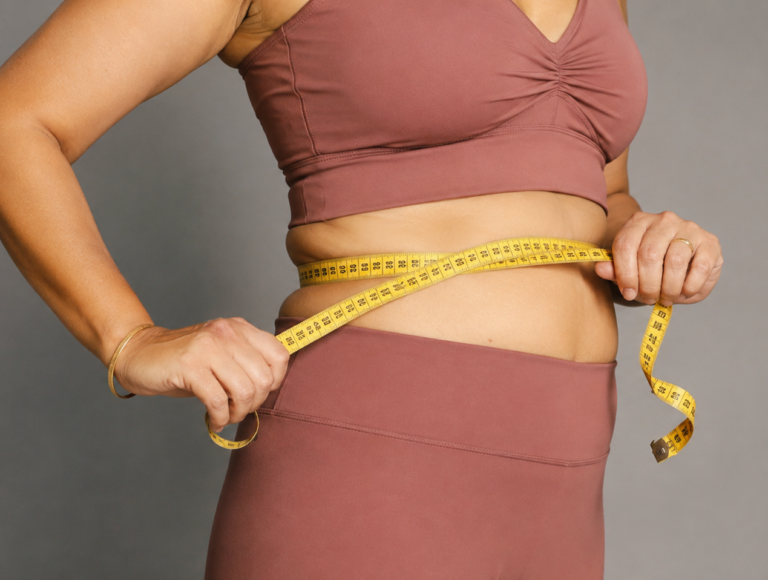
- Monitor waist circumference, not just scale weight. Visceral fat around your organs matters more for health than total pounds.
What Success Actually Looks Like
Quick fixes don’t work. Midi Health talks about adopting a “12-week mindset” rather than looking for overnight transformations. Realistic weight loss? About 1–2 pounds per week.
That might sound slow. But consider this: in three months, that’s 12–24 pounds of actual fat loss (not just water weight), with muscle preserved or even gained. Your waist shrinks. Energy improves. Lab markers get better. You’re building a system that lasts, not white-knuckling through another restrictive diet you’ll abandon by February.
Getting Started with Your Personalized Plan
You don’t need to overhaul everything overnight. Start with one change at a time, give it 2–3 weeks, then adjust.
Maybe that’s calculating your protein target and hitting it consistently with protein-rich Indian foods like chana masala, palak paneer, or sprouted moong. Or adding two strength sessions to your week. Or finally tracking those “hidden” snacks and coffee drinks that derail your progress.
If you want professional guidance, look for dietitians who specifically work with women over 40. Programs like Reverse Health and ZOE offer structured, data-driven approaches. Telehealth clinics focused on menopause (like Midi) can address hormones and nutrition together.
Bottom Line: You’re Not Broken, Your Plan Is
If generic diets have stopped working for you, it’s not because you lack discipline or willpower. It’s because your body has specific needs that change with age—needs that cookie-cutter plans completely ignore.
A true personalized nutrition program meets you where you are. It accounts for your hormones, metabolism, gut health, stress, sleep, and preferences. It adjusts as you progress. And it treats weight loss as one piece of a bigger picture that includes energy, mood, strength, and long-term health.
You deserve a plan that works with your body after 40, not against it. Start by gathering your own data, experimenting with what actually moves the needle for you, and letting go of the myth that one-size-fits-all ever worked in the first place.
Frequently Asked Questions
What makes a personalized diet plan different from regular diet plans?
A personalized diet plan considers your unique metabolic signature, hormones, gut microbiome, activity level, food preferences, and health markers. Instead of following generic calorie counts, it adjusts macros and food choices based on how your body actually responds to different nutrients.
Can I follow a vegetarian Indian personalized diet plan for weight loss after 40?
Absolutely! A vegetarian Indian personalized diet plan can include protein-rich foods like dal (lentils), paneer, chickpeas, moong sprouts, tofu, Greek yogurt, and nuts. The key is hitting your personalized protein targets (typically 0.7-1.0 grams per pound of body weight) distributed across meals.
How much protein do I really need after 40?
Most women over 40 need significantly more protein than generic plans recommend—typically 0.7–1.0 grams per pound of body weight daily. For a 150-pound woman, that’s 105-150 grams daily, with about 30 grams per meal to preserve muscle mass during weight loss.
Why do I need strength training if I’m focusing on nutrition?
After 40, you naturally lose muscle mass each year. Strength training 2-4 times weekly preserves or builds muscle, which increases your resting metabolism and improves blood sugar control. Nutrition alone will result in losing both fat and muscle, slowing your metabolism long-term.
How long does it take to see results with a personalized nutrition program?
Expect realistic progress of 1-2 pounds per week. Most people see noticeable changes in energy and measurements within 2-3 weeks, with significant results over a 12-week period. This sustainable approach prevents muscle loss and creates lasting habits rather than quick fixes.
What Indian vegetarian foods are best for post-workout nutrition?
Combine 30 grams protein with 30-60 grams carbs within 1-2 hours post-workout. Try moong dal cheela with vegetables, besan chilla with yogurt, paneer tikka with brown rice, or a smoothie with Greek yogurt, banana, and almonds to maximize muscle recovery.
Ready When You Are
We’re just a message away from getting started.