
- What Plant-Based Actually Means
- What You Can Actually Eat on a Plant-Based Indian Diet
- The Whole-Food Piece Everyone Skips
- How to Start Without Overwhelming Yourself
- Common Mistakes Indians Make
- Real Indian Meal Examples
- Why Indians Are Choosing This Now
- Frequently Asked Questions
Let’s clear something up right away: plant-based eating in India doesn’t mean you’re stuck eating raw salads three times a day. Or that you need to buy expensive quinoa and avocados. If you’ve been putting off exploring this way of eating because you think it’s all boring Western food, you’re in for a surprise. Plant-based eating for Indians is actually built around foods we already know and love—dal, sabzi, roti, rice, beans, nuts, and all those spices sitting in your kitchen right now.
The confusion is real though. Most people think plant-based, vegetarian, and vegan are all the same thing. They’re not.
What Plant-Based Actually Means (And Why It’s Not What You Think)
Here’s the deal: a plant-based diet simply centers your meals around plant foods. That’s it. You’re eating mostly vegetables, fruits, whole grains, legumes, nuts, and seeds. According to Times of India, it “doesn’t mean that you are vegetarian or vegan and never eat meat or dairy.”
Think of it more like this: plants take up most of your plate. Maybe you still have some dairy or eggs occasionally. Maybe not. The focus is on loading up on whole plant foods, not on strict labels or eliminating every possible animal product from your life.
Plant-Based vs Vegetarian vs Vegan
Vegetarians typically avoid meat but eat dairy and eggs. Vegans exclude all animal products—no dairy, eggs, honey, nothing. Plant-based sits somewhere in between, but honestly, it’s more flexible. The National Kidney Foundation explains that plant-based is about what you’re eating more of (plants), not just what you’re cutting out.
And here’s what makes it work in India: we already have the infrastructure for this. Dal-chawal isn’t plant-based? It absolutely is.
What You Can Actually Eat on a Plant-Based Indian Diet
Forget the idea that you need fancy imported ingredients. Health Wellness India points out that Indian plant-based staples include all the foods you probably already cook with:
- All dals and pulses—moong, masoor, chana, rajma, you name it
- Whole grains like brown rice, millets (ragi, jowar, bajra), whole wheat
- Every vegetable—bhindi, baingan, palak, gobi, karela, lauki, tinda
- Fruits like bananas, papayas, mangoes, guavas, pomegranates
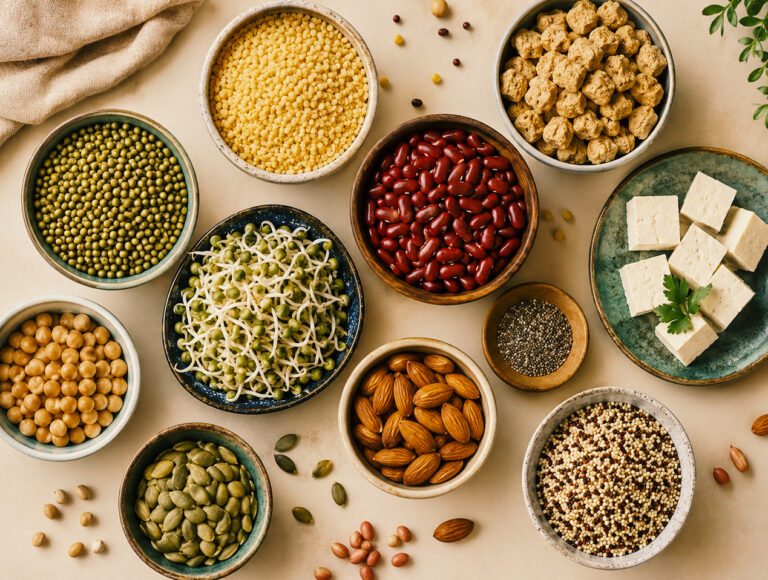
- Nuts and seeds—almonds, cashews, peanuts, sesame seeds
- Herbs and spices—turmeric, cumin, coriander, ginger, garlic
- Traditional foods like idli, dosa, poha, upma, khichdi
Your regular poha, idli-sambar, chole, vegetable pulao, khichdi, or sabzi-roti meals? Already plant-based. You don’t need to reinvent your entire cooking style.
What About Protein?
This is where people panic. Don’t. India runs on legumes and we’ve been getting protein from plants for centuries. Dals, beans, chickpeas, peanuts, soy—these aren’t side dishes. Make them the star. Working with a plant based dietitian can help you map out exactly how much you need, but most Indians already eat these foods regularly.
One cup of cooked moong dal has about 14 grams of protein. Rajma? Even more. Add some nuts, seeds, and whole grains throughout the day and you’re covered.
The Whole-Food Piece Everyone Skips
Pay attention to this part because it’s where most people mess up. Plant-based doesn’t automatically mean healthy. You could live on vegan chips and cookies and technically be plant-based. That’s not the goal.
Healthline’s whole-foods guide emphasizes eating minimally processed plant foods. Brown rice instead of white. Whole moong instead of moong dal that’s been stripped and polished. Fresh vegetables instead of packaged vegan snacks.
Real food. That’s the key.
How to Start Without Overwhelming Yourself
Look, you don’t need to flip your entire diet overnight. Actually, please don’t. The Web Learners recommends starting with one plant-based meal per day. Maybe make your breakfast fully plant-based—poha with vegetables, or idli with sambar and coconut chutney.
Once that feels normal, add another meal. Then another.
Practical Swaps That Actually Work
Instead of overthinking it, just swap things you already eat:
- White rice → brown rice or millet
- Regular roti → multigrain or millet roti
- Paneer curry → chickpea, mushroom, or mixed vegetable curry
- Cream-based gravies → cashew or coconut-based gravies
- Refined snacks → roasted chana, makhana, or fresh fruit
See? Not complicated.
Common Mistakes Indians Make with Plant-Based Eating
First big mistake: thinking you need Western ingredients. You don’t need avocado toast to eat plant-based in India. Second mistake: relying too heavily on processed vegan products. That packaged “plant-based” burger? Probably loaded with stuff you can’t pronounce.
Third mistake, and this one’s important: cutting out too much too fast. If you’ve been eating dairy your whole life and suddenly drop it completely, you might feel off. A plant based dietitian can help you transition gradually while making sure you’re getting enough calcium, B12, and iron from other sources.
Real Indian Meal Examples That Work
Continental Hospitals suggests building meals around vegetables as the main event, not the side dish. So instead of “dal with some vegetables on the side,” think “vegetable-packed dal with extra veggies stirred in.”
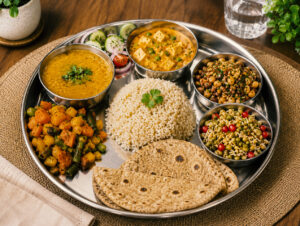
Breakfast: Masala oats with nuts and fruits, or vegetable upma, or dosa with sambar. Lunch: Brown rice with rajma curry and mixed vegetable salad. Snack: Roasted chana or fruit with peanut butter. Dinner: Millet roti with palak dal and cucumber raita (if you’re keeping dairy).
Filling. Familiar. Tasty.
Why Indians Are Actually Choosing This Now
It’s not just a trend. Body Revival notes that more Indians in 2025 are shifting toward plant-based eating for health, sustainability, and honestly, because they’re realizing it aligns with traditional Indian cooking anyway.
Plus, there’s research backing this up. A study on Asian Indians found connections between vegetarian diets and better cardiometabolic health markers when done right.
When You Should Talk to a Professional
If you’re dealing with specific health conditions, managing family meals, or just feeling confused about nutrients, working with a dietician in Bangalore who specializes in plant-based nutrition makes sense. They can help you plan meals that fit your lifestyle, budget, and health goals without guessing.
Especially if you’re planning to reduce or eliminate dairy, you’ll want guidance on getting enough vitamin B12, calcium, and vitamin D through fortified foods or supplements.
Bottom Line: It’s More Indian Than You Think
Plant-based eating in India isn’t about adopting some foreign diet. It’s about going back to basics: seasonal vegetables, whole grains, dals, legumes, nuts, and spices. The foods your grandparents probably ate more of before packaged foods took over.
It’s not all or nothing. It’s not just salad. And you definitely don’t need to eat quinoa unless you actually want to. Start where you are, use what you have, and build from there. Your local sabzi mandi has everything you need.
Frequently Asked Questions
Is a plant-based diet the same as vegetarian?
Not exactly. While vegetarians avoid meat, they typically eat dairy and eggs. Plant-based eating focuses on whole plant foods as the foundation of your diet, but can be more flexible about occasional animal products. The emphasis is on what you’re adding (more plants) rather than just what you’re removing.
Can I get enough protein on a plant-based Indian diet?
Absolutely. Indian cuisine is rich in protein sources like dals (moong, masoor, toor, chana), rajma, chole, soy products, peanuts, and various nuts and seeds. One cup of cooked dal provides 12-15 grams of protein. Combined with whole grains throughout the day, you can easily meet your protein needs.
Do I need to buy expensive ingredients for plant-based eating?
Not at all. Traditional Indian staples like rice, wheat, dals, seasonal vegetables, and local fruits are perfect for plant-based eating. You don’t need imported superfoods. Your neighborhood vegetable market has everything you need.
Will I lose weight on a plant-based diet?
Weight loss depends on your overall calorie intake and activity level, not just eating plant-based. However, whole plant foods are generally more filling and nutrient-dense, which can help with weight management. A dietician in Bangalore can create a personalized plan based on your specific goals.
What Indian breakfast options are plant-based?
Plenty! Try poha with vegetables, idli-sambar, dosa with coconut chutney, upma, vegetable paratha, masala oats, or ragi porridge. Most traditional South Indian and Maharashtrian breakfast dishes are naturally plant-based.
How do I start transitioning to plant-based eating?
Start with one plant-based meal per day, like breakfast. Once comfortable, add another meal. Make simple swaps—brown rice for white rice, add more vegetables to your dal, choose millet rotis. Work with a plant based dietitian if you need structured guidance.
What about vitamin B12 and calcium on a plant-based diet?
B12 is primarily found in animal products, so you may need fortified foods or supplements if you eliminate dairy completely. For calcium, focus on sesame seeds, ragi, fortified plant milks, leafy greens, and if you include dairy, that works too. A professional can assess your specific needs.
Can children follow a plant-based diet?
Yes, but it requires careful planning to ensure they get adequate calories, protein, iron, calcium, and B12 for growth. Consulting with a qualified dietician in Bangalore who understands pediatric nutrition is essential when planning plant-based meals for children.
Not sure where to start?
Take the 7 day Nutri Trial and see what a plan built around your own kitchen actually feels like.
Start your trial