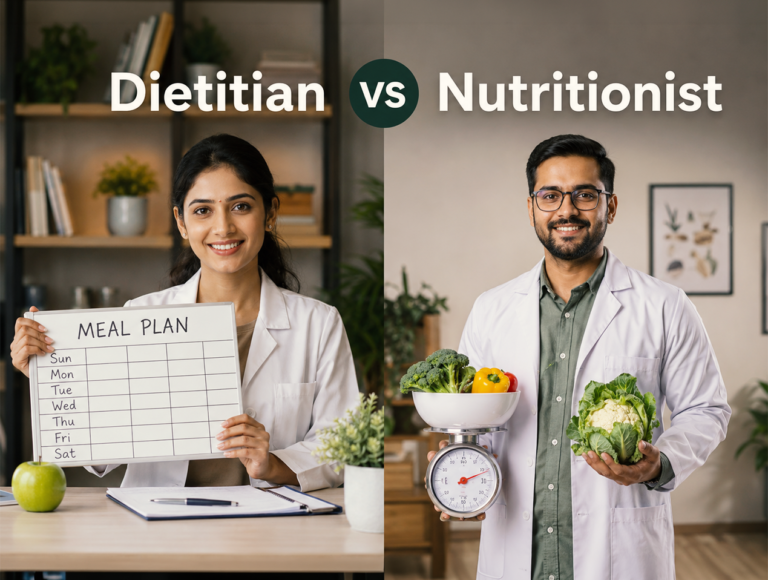
Explore nutritionist vs dietitian for belly fat and body composition goals. Learn when you need clinical nutrition support, personalized meal planning, or general guidance.


Table of Contents
- The Real Difference Between a Nutritionist and a Dietitian
- Who Should You See for Belly Fat Specifically?
- What the Research Actually Says About Results
- Body Composition Is Not Just Weight Loss
- Can a Nutritionist Make a Meal Plan?
- When You Definitely Need a Dietitian
- When a Nutritionist Might Be Enough
- How to Vet Anyone Before You Hire Them
- Frequently Asked Questions
You want to lose the belly fat. Maybe hold onto some muscle while you’re at it. And now you’re staring at Google, trying to figure out who to actually book a call with—a nutritionist or a dietitian? Honestly, most people use these words like they mean the same thing. They don’t. And picking the wrong one for your specific goal can waste months of your life. So let’s clear it up. In the nutritionist vs dietitian debate, the right choice really depends on what your body is dealing with, how complex your goals are, and whether you need clinical support or just smart, structured guidance to stop spinning your wheels.
The Real Difference Between a Nutritionist and a Dietitian
Here’s the short version. A registered dietitian (RD or RDN) has completed specific education, supervised training, and passed a credentialing exam. According to Cleveland Clinic, dietitians are recognised as medical professionals. Nutritionists? The title’s a lot looser. In many places, the word isn’t legally protected, meaning someone can call themselves one without formal clinical training. WebMD puts it plainly: nutritionists usually offer general information on healthy eating, and it isn’t a regulated professional title everywhere.
So the saying goes: all dietitians are nutritionists, but not all nutritionists are dietitians.
Who Should You See for Belly Fat Specifically?
Understanding Belly Fat Beyond Appearance
Belly fat isn’t just a vanity thing. It’s often a signal—of stress, sleep issues, insulin resistance, hormonal shifts, or years of yo-yo dieting. That context matters a lot.
If you’re generally healthy and just want accountability, meal ideas, and better habits, a qualified nutritionist can absolutely help. But if you’ve got PCOS, thyroid stuff, prediabetes, high cholesterol, or you’re postpartum and nothing’s shifting, you probably need a dietitian. Why? Because they can provide medical nutrition therapy (MNT)—basically, clinical nutrition care used to manage health conditions. Johns Hopkins Medicine ties MNT directly to weight management for people with underlying health concerns.
What the Research Actually Says About Results
Real talk—this isn’t just credentialism. A systematic review and meta-analysis found that dietitian-led interventions produced an additional 1.03 kg of weight loss and a 0.43 kg/m² greater BMI reduction compared to usual care. Individual dietetic consultations came out on top. That’s meaningful when you’ve been stuck at a plateau for six months.
Body Composition Is Not Just Weight Loss
This is where most people mess up. They chase the number on the scale and end up losing muscle, water, and confidence—while the belly fat barely budges. Body composition is about the ratio of fat to lean mass. You want less fat, more muscle, and a metabolism that doesn’t crash.
For that, you need someone who understands protein needs, training-day nutrition, calorie cycling, and how to keep muscle while you’re in a deficit. Working with the best nutritionist in Bangalore or a well-trained dietitian who specializes in body composition can build that. A generic meal plan pulled off Instagram cannot.
Can a Nutritionist Make a Meal Plan?
Sometimes, yes. But it depends on their training and where they practice. WeightWatchers notes that dietitians are trained to build individualised plans for weight loss and chronic disease management, and insurance is more likely to cover them. A nutritionist without clinical credentials may hand you general guidance—which works fine for simple goals, but not for complex ones.
When You Definitely Need a Dietitian
Complex Health Situations Require Clinical Expertise
| Health Situation | Why a Dietitian Is Essential |
| Obesity, diabetes, PCOS, thyroid issues, or high cholesterol | Requires medical nutrition therapy and clinical monitoring |
| Pregnancy, breastfeeding, or planning to conceive | Needs specialized nutritional planning for maternal and fetal health |
| History of disordered eating | Requires clinical expertise to address psychological and physiological factors |
| Medications affecting metabolism or appetite | Needs understanding of drug-nutrient interactions and metabolic adjustments |
| Multiple failed diets with weight regain | Requires clinical assessment of metabolic adaptation and underlying issues |
| Fat loss and muscle gain (true recomposition) | Demands precise macronutrient planning and body composition expertise |
When a Nutritionist Might Be Enough
If you’re broadly healthy, sleep well, aren’t on medications, and just need someone to teach you portion control, meal timing, and grocery planning—a good nutritionist works. Accountability alone can move mountains for someone whose issue is habits, not physiology.
How to Vet Anyone Before You Hire Them
Questions to Ask Your Potential Nutrition Professional
- Ask about their qualifications and credentialing body
- Check whether they’ve worked with clients similar to you
- Ask how they handle plateaus and body composition tracking
- Make sure they don’t promise unrealistic timelines
- Confirm they won’t hand you the same plan they gave someone else
The Bottom Line
Choosing between a nutritionist vs dietitian isn’t about which title sounds fancier. It’s about matching the guidance to your goal complexity. Simple habit fixes? A nutritionist can do the job. Stubborn belly fat linked to hormones, medications, or years of failed diets? Get a dietitian—or a clinical practitioner trained to handle the medical side of body composition.
At Anupama, the approach blends both worlds—clinical depth with practical, sustainable coaching so you’re not just losing weight, you’re rebuilding how your body actually works. If you’re searching for the best nutritionist in Bangalore who combines evidence-based practice with personalized care, book a consultation, share your history, and let the plan match your reality. Belly fat has a story. Your nutrition guidance should be able to read it.
Frequently Asked Questions
What is the main difference between a nutritionist and a dietitian?
A registered dietitian has completed accredited education, supervised clinical training, and passed a credentialing exam, making them qualified to provide medical nutrition therapy. The term “nutritionist” is often unregulated and may not require formal clinical training, though some nutritionists do have strong credentials.
Can a nutritionist help me lose belly fat?
Yes, if you’re generally healthy and need guidance on habits, meal planning, and accountability. However, if you have underlying health conditions like PCOS, thyroid issues, or insulin resistance, a registered dietitian is better equipped to address the clinical factors contributing to belly fat.
Is a dietitian better than a nutritionist for body composition goals?
For complex body composition goals involving fat loss and muscle gain, especially with medical factors involved, a dietitian typically has the clinical training to create more effective, personalized protocols. A highly qualified clinical nutritionist may also be suitable depending on their credentials.
Will insurance cover sessions with a nutritionist or dietitian?
Insurance is more likely to cover registered dietitian services, particularly when medical nutrition therapy is prescribed for managing conditions like diabetes, obesity, or cardiovascular disease. Nutritionist services are typically not covered unless they hold specific credentials.
How do I choose between a nutritionist and dietitian?
Consider your health status and goals. If you have medical conditions, take medications, or have complex needs, choose a registered dietitian. If you’re generally healthy and need basic nutrition guidance and accountability, a qualified nutritionist may suffice. Always verify credentials regardless of title.
Ready When You Are
We’re just a message away from getting started.