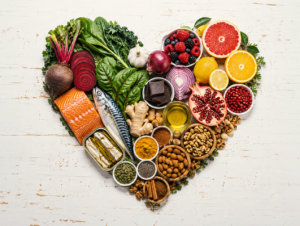

Cold hands even in warm weather? Feet that go numb after sitting for a bit? Or maybe you just feel sluggish and can’t figure out why. Your circulation might be waving a little red flag. The good news is you don’t have to jump straight to supplements or medications to feel better. What sits on your plate every day actually plays a huge role in how well blood moves through your body. And honestly, some of the best foods to improve blood circulation are probably already in your kitchen.
- Beets: The Nitrate Powerhouse
- Leafy Greens That Do the Heavy Lifting
- Fatty Fish and Omega-3s
- Citrus Fruits Worth Squeezing Into Your Day
- Berries: Tiny But Mighty
- Garlic and Onions: The Underrated Duo
- Does Dark Chocolate Really Help Circulation?
- Spices That Turn Up the Heat
- Nuts, Seeds, and Pomegranate
- Foods to Cut Back On
- Hydration Is Non-Negotiable
- A Quick Word on Safety
- Frequently Asked Questions
Beets: The Nitrate Powerhouse
Beets deserve the hype. They’re packed with dietary nitrates, which your body converts into nitric oxide, a compound that relaxes blood vessels and helps them widen. Bigger vessel = easier blood flow. Simple as that.
WebMD notes that beet juice can lower systolic blood pressure, which directly supports better circulation. Roast them, blend them into a smoothie, or grate them raw over a salad. Whatever gets them in.
Leafy Greens That Do the Heavy Lifting
Spinach, kale, arugula, Swiss chard. These are loaded with nitrates too, plus magnesium and folate. Same story as beets, but greens are easier to slip into everyday meals. They also function as excellent food for blood purification, helping filter toxins while supporting vascular health.
How to Add More Greens Daily
Toss a handful into eggs. Blend some into a smoothie you can’t taste them in. Pile them on sandwiches. The compounds in leafy greens help enlarge blood vessels and create more room for blood to move through, which is exactly what you want.
Fatty Fish and Omega-3s
Salmon, mackerel, sardines, herring. If you eat fish twice a week, you’re already ahead of most people. Omega-3 fatty acids reduce inflammation in blood vessels and lower clot risk, according to the Vascular Institute.
Not a fish person? Sardines on toast sound weird until you try them with a squeeze of lemon and a little olive oil. Trust me on this one.
Citrus Fruits Worth Squeezing Into Your Day
Oranges, lemons, grapefruits. They’re rich in flavonoids, which help relax blood vessels and cut inflammation. Plus, the vitamin C supports the walls of your arteries.
Add lemon to your water. Snack on an orange instead of a granola bar. These small swaps compound over months.
Berries: Tiny But Mighty
Blueberries, strawberries, blackberries, raspberries. All loaded with antioxidants and anti-inflammatory compounds that support vascular health. They’re one of the easiest foods that improve blood circulation because you can just grab a handful.
Easy Ways to Eat More Berries
- Frozen berries in oatmeal (they melt into it beautifully)
- Fresh berries with plain yogurt
- A palm-sized handful as an afternoon snack
Garlic and Onions: The Underrated Duo
Garlic contains sulfur compounds that help relax blood vessels and improve blood flow. Onions bring flavonoids to the party. Both are cheap, both are everywhere, both work. They’re also considered powerful food for blood purification in traditional and modern nutrition.
Crush the garlic before cooking. Let it sit for ten minutes. That waiting bit actually activates the beneficial compounds. Small step, real difference.
Does Dark Chocolate Really Help Circulation?
Yes, but with a catch. Dark chocolate (70% cacao or higher) contains flavonoids that support blood flow. The milk chocolate stuff loaded with sugar? Not so much. Stick to a small square or two of the good, bitter kind.
Spices That Turn Up the Heat
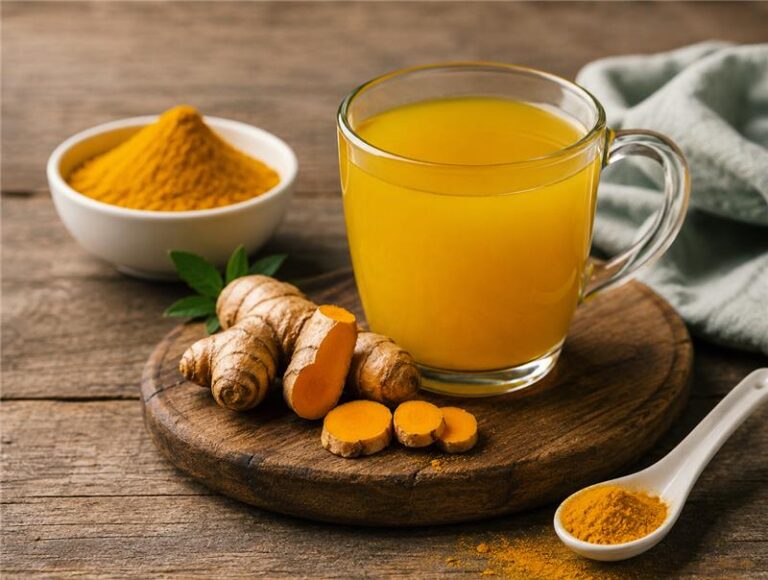
Cayenne, ginger, turmeric, cinnamon. Cayenne contains capsaicin, which helps widen blood vessels. Ginger and turmeric bring anti-inflammatory power. Cinnamon has been linked to better circulation and healthier blood sugar.
Simple Ways to Use Circulation-Boosting Spices
Sprinkle cinnamon on your morning coffee. Grate fresh ginger into stir-fries. A pinch of cayenne in soup wakes everything up.
Nuts, Seeds, and Pomegranate
Walnuts and almonds bring healthy fats and vitamin E. Pumpkin seeds pack magnesium. Pomegranate seeds are loaded with polyphenols and nitrates, both circulation-friendly. Pomegranate juice, in particular, keeps showing up in research on blood flow.
Foods to Cut Back On
Real talk. You can eat all the spinach in the world, but if you’re washing it down with ultra-processed foods, excessive salt, sugar, and trans fats, you’re fighting an uphill battle. Medical News Today points out that diet works best alongside movement and hydration, not in isolation.
Hydration Is Non-Negotiable
Water thins your blood naturally and helps it move. Dehydration makes blood thicker and harder to pump. Aim for steady sips throughout the day, not chugging a gallon at 9 p.m.
A Quick Word on Safety
If you’re on blood thinners, blood pressure medication, or anything similar, chat with your doctor before loading up on garlic, ginger, or high-nitrate foods. Some of these can interact with medications. Better to ask than guess.
Bringing It All Together
Improving your circulation through food isn’t about chasing one miracle ingredient. It’s about building a pattern. Leafy greens most days. Fatty fish a couple of times a week. Berries, citrus, garlic, a little dark chocolate. Water throughout the day. Move your body when you can.
Give it a few weeks. You might notice warmer hands, more energy, less of that heavy, tired feeling in your legs. Small, consistent changes beat any dramatic overhaul.
Want a personalized approach that fits your lifestyle and health goals? Anupama can help you build a nutrition plan that supports circulation, energy, and long-term wellness. Because eating well shouldn’t feel like homework.
Frequently Asked Questions
What foods improve blood circulation quickly?
Beets, leafy greens, citrus fruits, and fatty fish are among the best foods to improve blood circulation. Beets work particularly fast due to their high nitrate content, which converts to nitric oxide and widens blood vessels within hours.
Can drinking water improve circulation?
Yes. Water keeps blood at the right consistency for easy flow. Dehydration thickens blood and makes it harder for your heart to pump it efficiently. Aim for consistent hydration throughout the day.
How long does it take for diet changes to improve circulation?
Most people notice improvements within 2-4 weeks of consistently eating circulation-supporting foods. You might experience warmer extremities, better energy levels, and reduced numbness or tingling.
Are there foods that worsen circulation?
Yes. Processed foods high in trans fats, excessive sodium, refined sugars, and saturated fats can narrow blood vessels and increase inflammation, making circulation worse over time.
Can I take supplements instead of eating these foods?
While supplements can help, whole foods provide a complete package of nutrients, fiber, and compounds that work synergistically. Food-first approaches tend to be safer and more effective for long-term circulation health.
Not sure where to start?
Take the 7 day Nutri Trial and see what a plan built around your own kitchen actually feels like.
Start your trial