Explore foods for healthy weight gain, including ghee, nuts, and seeds. Learn how healthy fats support hormones, add calories, and promote sustainable weight gain.


Table of Contents
- What Are Healthy Fats and Why Do They Matter?
- Why “Eating More” Alone Doesn’t Work
- Which Fats Actually Help You Gain Weight Healthily
- How This Plays Out — A Client Story
- Common Mistakes People Make When Trying to Gain Weight
- A Simple, Realistic Daily Plan
- When to Seek Professional Guidance
- A Final Note
- FAQs
I’ll never forget the young woman who walked into my clinic last year, frustrated and exhausted. “I eat constantly,” she said, “but I’m still underweight. My periods are irregular, and I’m always cold.” Sound familiar? In my 27 years as a clinical nutritionist, I’ve seen this pattern hundreds of times. The issue isn’t willpower or appetite—it’s hormones. And the solution isn’t just eating more. It’s eating smarter, specifically with the right fats. Ghee, nuts, and seeds aren’t just calorie-dense options—they’re naturally foods for healthy weight gain that serve as the raw materials your body uses to manufacture hormones that regulate metabolism, reproductive health, and sustainable weight gain.
What Are Healthy Fats and Why Do They Matter?
Healthy fats are unsaturated and saturated fats from whole food sources that support cellular function, hormone production, and nutrient absorption. Unlike trans fats or heavily processed oils, healthy fats—found in ghee, nuts, seeds, avocados, and fatty fish—provide essential fatty acids your body cannot manufacture on its own. They matter because every cell membrane in your body is made from fat, and your brain is roughly 60% fat by dry weight. For weight gain specifically, healthy fats deliver 9 calories per gram compared to 4 calories from protein or carbs, making them the most calorie-efficient high-calorie healthy foods. More importantly, they’re the precursors to steroid hormones like estrogen, testosterone, and progesterone—the very hormones that determine whether your body can build tissue, regulate appetite, and maintain reproductive health.
Why “Eating More” Alone Doesn’t Work
Here’s what most people don’t understand about weight gain: your hormones control the process, not just your calorie intake. Estrogen, progesterone, testosterone, and cortisol are all steroid hormones synthesized from cholesterol, which comes directly from dietary fat. According to the Food as Medicine Institute, cutting fat too aggressively means cutting the building blocks your endocrine system needs to function properly. When hormone production suffers, so does your metabolism, appetite regulation, and ability to build lean tissue. That’s why someone can eat 3,000 calories of refined carbs and still struggle with weight gain—they’re missing the hormonal foundation that makes those calories stick in healthy ways.
Which Fats Actually Help You Gain Weight Healthily
Not all fats work the same way for weight gain. The best foods to increase body weigh are nutrient-dense, hormone-supportive, and calorie-efficient. Here are the three categories that consistently deliver results in clinical practice.
Ghee (Clarified Butter)
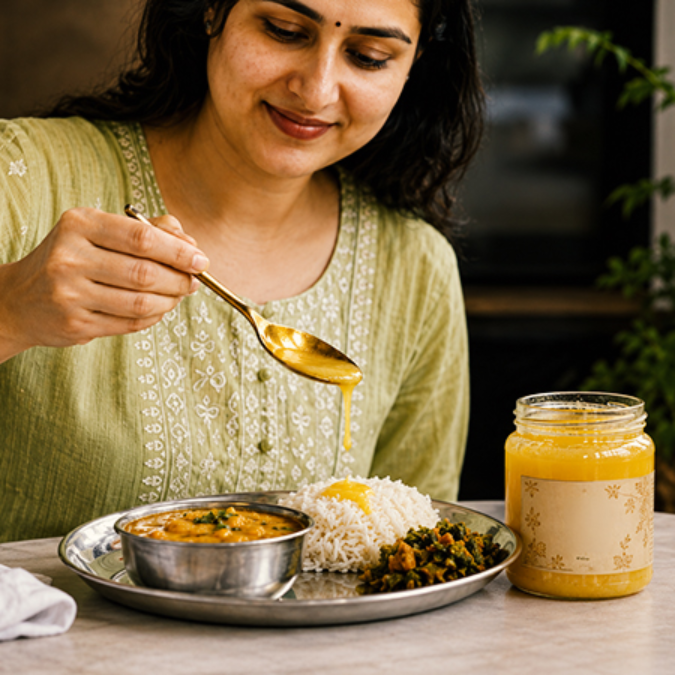
Ghee provides roughly 900 calories per 100g and contains butyrate for gut health, plus fat-soluble vitamins A, D, E, and K. Nanavati Max Hospital notes that one teaspoon adds 90–100 calories without adding bulk to your plate. Start with 1–2 teaspoons per meal, drizzled over dal, rice, or vegetables. If you have elevated LDL cholesterol, consult a professional before increasing intake.
Seeds (Flaxseed, Pumpkin, Sesame)
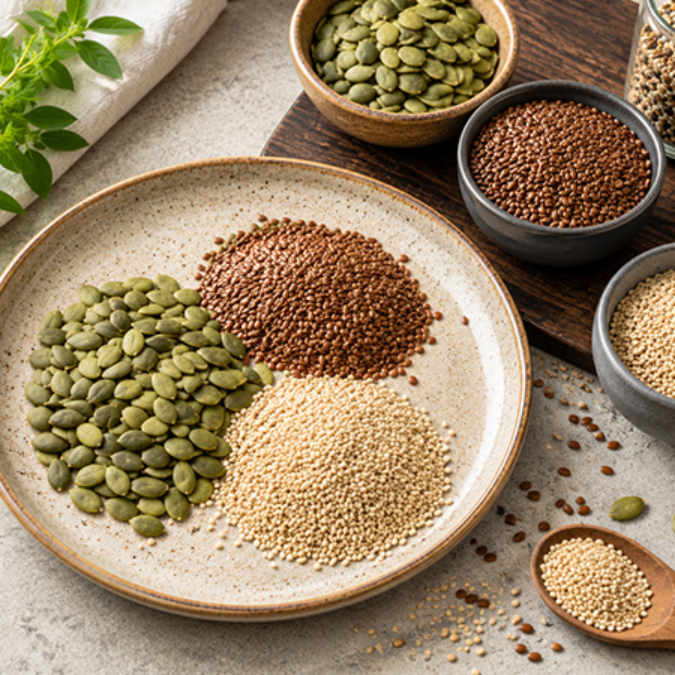
Seeds are nutritional powerhouses. Flax contains lignans that support estrogen balance. Pumpkin seeds deliver zinc for testosterone production. Sesame (til) offers calcium and healthy fats. While Mayo Clinic Press notes seed cycling lacks robust scientific backing, incorporating a variety of seeds daily still provides valuable nutrients for hormone health. Sprinkle them over salads, blend into smoothies, or add to homemade energy balls.
Nuts (Almonds, Walnuts, Cashews)
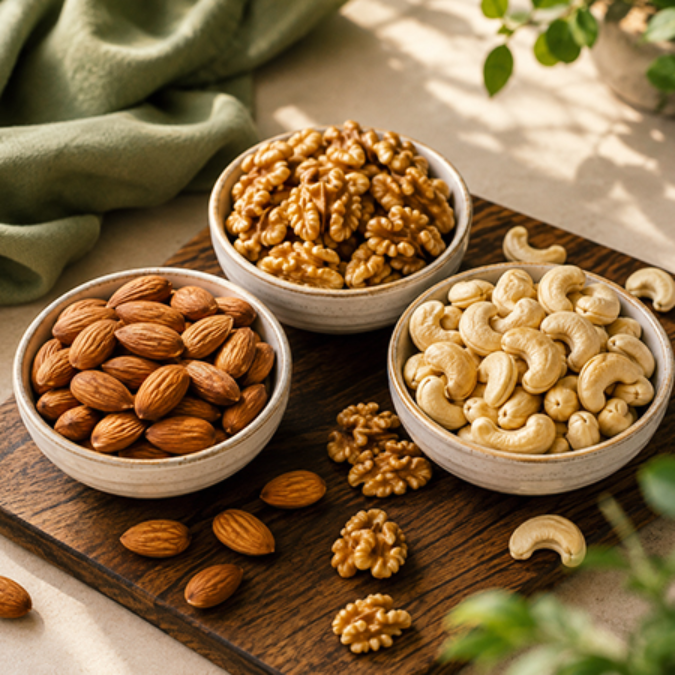
Nuts pack 500–650 calories per 100g. Walnuts bring omega-3 fatty acids that Allara Health links to improved lipid and hormonal profiles, especially for women with PCOS. Almonds provide magnesium and vitamin E, both critical for thyroid and reproductive hormone production. A daily handful (30g) added to oats, yogurt, or eaten as a snack is ideal. Avoid salted or fried varieties.
How This Plays Out — A Client Story
Let me share Priya’s story (name changed). She came to me at 42kg, struggling with amenorrhea and constant fatigue. Her diet was rice-heavy with minimal fat. We introduced 2 teaspoons of ghee daily, a handful of mixed nuts mid-morning, and ground flax in her evening curd. Within 8 weeks, she’d gained 3.2kg, her periods returned, and her energy stabilized. The shift wasn’t dramatic calorie loading—it was strategic fat addition that gave her body the hormonal tools it needed to function and build tissue properly. This approach forms the foundation of any effective 7 day weight gain diet plan.
Common Mistakes People Make When Trying to Gain Weight
Treating ghee like a supplement and consuming it in excessive amounts. Eating nuts mindlessly without tracking portions. Ignoring protein and strength training. Relying on seed cycling as a standalone solution instead of focusing on overall diet quality. And the biggest mistake? Assuming healthy fats alone create weight gain without an actual calorie surplus. Fats make the surplus easier and hormonally kinder, but the math still matters.
A Simple, Realistic Daily Plan
A structured weight gain diet incorporating these healthy fats can help you establish consistent habits. Here’s what a typical day looks like:
| Meal | Healthy Fat Addition |
| Breakfast | 1 tsp ghee in porridge + 10 soaked almonds |
| Mid-Morning | Trail mix: 15g walnuts + 15g cashews |
| Lunch | 1 tsp ghee drizzled over dal and rice |
| Evening | 1 tbsp pumpkin seeds in curd or smoothie |
| Dinner | 1 tsp ghee in sabzi + 1 tbsp ground flax |
When to Seek Professional Guidance
If you’re dealing with chronic underweight issues, hormonal imbalances like PCOS or thyroid disorders, irregular or absent periods, or digestive concerns that limit fat tolerance, personalized nutrition support becomes essential. Self-experimentation has limits, especially with YMYL (Your Money Your Life) health concerns. Working with a qualified nutritionist helps you navigate individual needs, lab work interpretation, and sustainable protocols tailored to your body’s unique responses.
A Final Note
Healthy fats aren’t magic bullets, but they are foundational. Ghee, nuts, and seeds provide the raw materials your body needs to manufacture hormones, absorb vitamins, and gain weight in hormonally balanced ways. Use them consistently, in reasonable portions, alongside adequate protein and complex carbohydrates. If you’re struggling with underweight challenges, irregular cycles, or PCOS-related weight issues, personalized support makes all the difference. That’s where getting guidance from a qualified nutritionist at Anupama can transform your results. Because the best foods for healthy weight gain aren’t found on generic lists—they’re the ones that fit your body, your hormones, and your life. Start small. Stay consistent. Watch what happens.
FAQs
Can I use coconut oil instead of ghee?
Yes, coconut oil works, but ghee offers butyrate and fat-soluble vitamins that coconut oil lacks. Both support calorie density, but ghee has a stronger traditional role in hormone-supportive Indian nutrition practices.
How quickly will I see weight gain results?
Weight gain typically ranges from 0.25–0.5kg per week. Faster gains often mean excess fat or water retention. Patience and consistency with nutrient-dense foods for healthy weight gain yield better long-term outcomes.
Do these fats increase cholesterol dangerously?
In moderation, healthy fats support hormone production without spiking LDL in most people. However, individual responses vary. If you have existing lipid concerns, monitor levels with your healthcare provider while adjusting intake.
Can I gain weight with these fats if I have PCOS?
absolutely. Healthline confirms that omega-3s from walnuts and flax improve insulin sensitivity in PCOS. Pair healthy fats with protein and fiber, avoid refined carbs, and consider professional guidance for hormonal weight management.