Explore Anupama Menon’s diabetes-friendly Indian recipes with low-carb meal ideas, smart carb timing and practical tips to improve insulin control, stabilize blood sugar and enjoy sustainable, flavorful eating every day.


Table of Contents
- Understanding the Two Types of Carbs
- The Nighttime Carb Rule You Need to Know
- Top Low-Carb Indian Recipes for Diabetes Control
- The Fruit Question (Especially Mangoes)
- Building a Sustainable Diabetes Diet That Actually Works
- Common Mistakes People Make (And How to Avoid Them)
- Practical Tips for Daily Diabetes Management
- Why Personalization Matters More Than Generic Diet Plans
- Frequently Asked Questions
Here’s what most people get wrong about managing diabetes: they think they have to give up Indian food entirely. Not true. You just need to understand which carbs work with your body, not against it. Anupama Menon, a wellness coach who’s been helping people reverse insulin resistance for years, has a different approach—one that actually includes rice, vegetables, and yes, even the occasional mango. The trick? Knowing what to eat, when to eat it, and how to balance your plate without feeling like you’re on some miserable diet.
Let me explain why this matters. According to Anupama Menon’s expert guidance on Doctors’ Circle, carbohydrates aren’t your enemy. Simple carbs like sugar and Maida? Those are the problem. But complex carbohydrates found in brown rice, vegetables, and whole grains can actually support your weight loss and blood sugar goals.
Understanding the Two Types of Carbs (This Changes Everything)
Anupama breaks carbs down into two categories that’ll make your diabetes diet way easier to manage.
Simple carbohydrates—think white sugar, maida, and refined flour products—spike your blood sugar fast. Your insulin reacts badly to this excess sugar, which is exactly what you’re trying to avoid. These are the carbs you genuinely need to limit or skip entirely.
Complex carbohydrates are different animals altogether. Brown rice, vegetables, legumes, and whole grains release energy slowly. They don’t send your blood sugar on a rollercoaster ride. And when you’re planning any weight loss or fat loss strategy, Anupama notes that complex carbohydrates help a lot.
The Nighttime Carb Rule You Need to Know
Want to know one simple change that makes a massive difference? Avoid carbs at night if possible.
Here’s why. Eating too many carbs late in the day leads to fat accumulation because of excess calories and sugar—plus how insulin responds to that nighttime eating. Anupama explains that this hormone reaction is what causes problems. People who eat heavy carb-loaded dinners often skip breakfast the next morning because they’re still full, throwing off their entire eating rhythm.
Does this mean zero carbs ever after evening? Not necessarily. But being strategic about it—choosing smaller portions of complex carbs over simple ones, eating earlier in the evening—these adjustments add up.
Top Low-Carb Indian Recipes for Diabetes Control
Okay, let’s get practical. What can you actually eat?
Vegetable-Based Meals
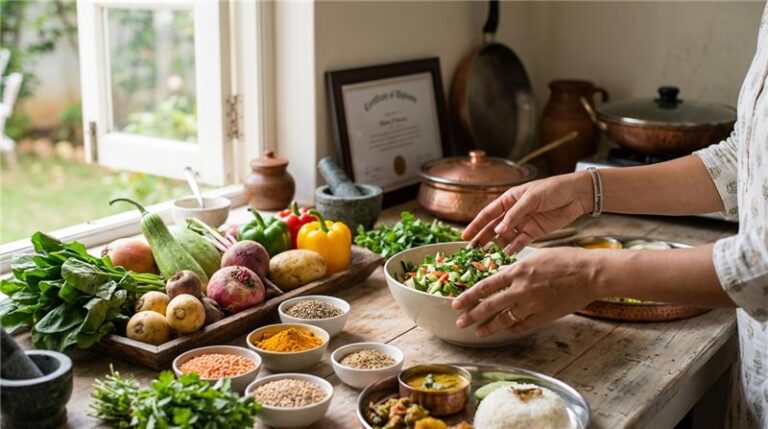
Load up your plate with non-starchy vegetables. Cauliflower rice works brilliantly as a substitute for regular rice. Bhindi (okra), palak (spinach), and lauki (bottle gourd) make excellent sabzi options that won’t spike your blood sugar. Season them with diabetes-friendly spices like turmeric, cumin, and cinnamon—herbs and spices Anupama recommends them for their blood sugar benefits.
Protein-Rich Options
Dal made from moong, masoor, or chana gives you protein and fiber without excessive carbs. Paneer tikka, grilled chicken with Indian spices, or fish curry (skip the rice or have just a small portion of brown rice) keeps you satisfied longer.
Smart Grain Choices
When you do eat grains, choose brown rice over white. Quinoa works great in upma or khichdi recipes. Ragi (finger millet) rotis provide more nutrients and less blood sugar impact than wheat chapatis.
The Fruit Question (Especially Mangoes)
Can you eat fruit with diabetes? Absolutely, but there are rules.
Anupama has specific guidelines for fruits like mangoes—those beloved seasonal treats that seem off-limits when you’re managing blood sugar. The key is portion control and pairing. Don’t eat fruit alone on an empty stomach. Combine it with protein or healthy fats to slow down sugar absorption. Time it right—morning or mid-day works better than evening.
Building a Sustainable Diabetes Diet That Actually Works
Thing is, telling people to “eat less and exercise more” doesn’t work long-term. It’s not sustainable. You need balanced intake of carbs (the right kind), proteins, fruits, and vegetables to actually stick with this.
As Anupama told the Times of India, the same diet cannot help everyone. Your body, your insulin resistance level, your lifestyle—these factors mean your diabetes diet needs personalization, not a cookie-cutter approach.
Common Mistakes People Make (And How to Avoid Them)
Biggest mistake? Thinking all carbs are equally bad and cutting them completely. Your body needs carbs for energy. The solution isn’t elimination—it’s selection.
Another error: eating late at night and then skipping breakfast. This pattern wreaks havoc on your blood sugar stability throughout the day.
And honestly, relying on willpower alone without understanding nutrition? That’s setting yourself up for failure. Learn which foods work with your body’s insulin response instead of fighting against it.
Practical Tips for Daily Diabetes Management
- Fill half your plate with non-starchy vegetables at every meal
- Choose complex carbs (brown rice, whole grains) over simple ones (white rice, Maida products)
- Eat your largest meal earlier in the day, lighter meals at night
- Pair any carbs with protein or healthy fats to slow absorption
- Don’t skip meals—irregular eating patterns mess with blood sugar control
- Stay hydrated throughout the day
Why Personalization Matters More Than Generic Diet Plans
Look, you’ve probably tried different diabetes diets already. Some worked for a week. Others felt impossible from day one.
That’s because generic plans ignore your specific needs. Your insulin resistance isn’t identical to someone else’s. Your food preferences, cooking habits, family situation—all of this affects what you’ll actually stick with. Anupama’s approach focuses on shaking up beliefs about what works for your individual body, not prescribing the same plan for everyone.
Making Low-Carb Indian Cooking Practical
Meal prep helps tremendously. Cook a big batch of dal on Sunday. Chop vegetables in advance. Keep diabetes-friendly spices readily available so healthy cooking doesn’t feel like a chore.
Invest in good storage containers. Having healthy leftovers ready beats ordering high-carb takeout when you’re tired.
And don’t try to be perfect. You’re going to eat something “off plan” sometimes. That’s normal human behavior, not failure.
Bottom Line: Your Diabetes Diet Should be Livable
Managing diabetes with a low-carb Indian diet isn’t about deprivation or eating bland, boring food. It’s about making smarter choices that stabilize your blood sugar while still enjoying the flavors you love. Focus on complex carbs from vegetables and whole grains. Avoid simple carbs like sugar and Maida. Time your eating strategically lighter on carbs at night. Balance your plate with proteins and healthy fats.
The best diabetes diet is one you can maintain for years, not weeks. Start with these principles from Anupama Menon’s approach, adjust based on how your body responds, and build eating patterns that support both your blood sugar goals and your quality of life. Because honestly, what’s the point of better health if you’re miserable getting there?
Frequently Asked Questions
Can I eat rice if I have diabetes?
Yes, you can eat rice if you have diabetes, but choose brown rice over white rice. Brown rice is a complex carbohydrate that releases energy slowly and doesn’t spike blood sugar as dramatically. Keep portions moderate and pair it with vegetables and protein for better blood sugar control.
What are the best vegetables for a diabetes diet?
Non-starchy vegetables like cauliflower, bhindi (okra), palak (spinach), lauki (bottle gourd), and other leafy greens are excellent choices. These vegetables are low in carbohydrates and high in fiber, helping to manage blood sugar levels effectively.
Should I completely avoid carbs to manage diabetes?
No, you shouldn’t completely avoid carbs. Your body needs carbohydrates for energy. The key is choosing complex carbohydrates from vegetables, whole grains, and legumes while avoiding simple carbs like white sugar, Maida, and refined flour products.
Can diabetics eat mangoes and other fruits?
Yes, diabetics can eat fruits including mangoes, but with certain guidelines. Practice portion control, don’t eat fruit alone on an empty stomach, combine it with protein or healthy fats, and time it right—morning or mid-day works better than evening.
Why should I avoid eating carbs at night?
Eating too many carbs late in the day can lead to fat accumulation due to how insulin responds to nighttime eating. This pattern can also disrupt your eating rhythm if you skip breakfast the next morning because you’re still full from a heavy dinner.
What makes Anupama Menon’s approach to diabetes diet different?
Anupama Menon’s approach emphasizes personalization rather than generic diet plans. She recognizes that the same diet cannot help everyone, and focuses on understanding individual insulin resistance levels, lifestyle factors, and food preferences to create sustainable eating patterns.