
- Why Protein Matters (And How Much You Actually Need)
- Soy Chunks: The Undisputed Champion
- Dal and Lentils: Your Daily Protein Foundation
- Chickpeas and Rajma: The Protein-Packed Comfort Foods
- Sattu: The Forgotten Protein Hero
- Tofu and Tempeh: The Soy Superstars
- Nuts and Seeds: Small but Mighty
- How to Build a High-Protein Vegan Day
- Frequently Asked Questions
Let’s be real—if you’re vegan in India, you’ve probably heard the same question a hundred times: “But where do you get your protein?” Honestly, it gets old. The truth? India’s packed with incredible plant-based protein sources that have been feeding people for centuries. You just need to know where to look.
Thing is, not all vegan protein advice works for Indian kitchens. Most lists throw quinoa and chia seeds at you without mentioning that dal, chana, and sattu have been doing the job brilliantly all along. So here’s a dietician-approved breakdown of the best Indian vegan protein sources—the ones you can actually find, afford, and cook with every day.
Why Protein Matters (And How Much You Actually Need)
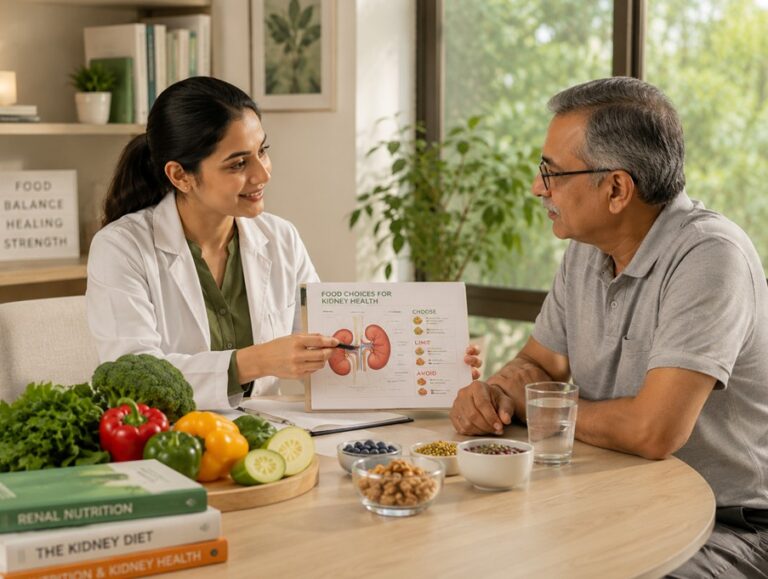
Your body needs protein for muscle repair, immune function, and keeping you full between meals. As any vegan dietician or nutritionist in Bangalore will tell you, the challenge isn’t whether plant foods have enough protein—it’s about eating a variety of them.
Most adults need roughly 0.8-1 gram of protein per kilogram of body weight daily. Active folks? You’ll want more. But here’s the good news: Indian cuisine makes this surprisingly doable.
Soy Chunks: The Undisputed Champion
Soy chunks blow everything else out of the water. We’re talking about 52 grams of protein per 100 grams when measured dry. That’s more than chicken, for a fraction of the price.
They’re cheap. They last forever in your pantry. And once you soak them and toss them in a masala, they absorb flavors like magic. Throw them in biryani, curries, or dry sabzis—you won’t even miss meat.
How to Use Them Right
Soak in hot water for 10 minutes, squeeze out the water, and cook like you would paneer. Pro tip: boil them in vegetable stock first for extra flavor.
Dal and Lentils: Your Daily Protein Foundation
Dal isn’t just comfort food. It’s a protein powerhouse that shows up in almost every Indian home daily. Moong dal, masoor, toor, chana dal—they all deliver solid protein along with fiber and iron.
According to Healthline, lentils provide about 18 grams of protein per cooked cup, and they’re loaded with the essential amino acids your body can’t make on its own.
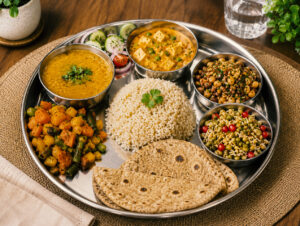
Pair dal with rice or roti. This classic combo isn’t just tradition—it creates a complete protein by balancing the amino acid profile of both foods. Smart, right?
Chickpeas and Rajma: The Protein-Packed Comfort Foods
Chole. Rajma chawal. These aren’t just Sunday specials—they’re protein-rich meals that keep you satisfied for hours.
Chickpeas pack about 15 grams of protein per cooked cup. Kidney beans (rajma) deliver similar numbers. Both are incredibly versatile: curries, salads, chaats, or even roasted as crunchy snacks.
Budget-Friendly Winner
A kilo of dried chickpeas costs less than a decent coffee and gives you multiple high-protein meals. Stock up and soak overnight for faster cooking.
Sattu: The Forgotten Protein Hero
Ever heard of sattu? If you’re from Bihar or UP, you probably grew up with it. For everyone else, meet your new favorite protein source.
Sattu contains around 20 grams of protein per 100 grams—and it’s made from roasted chana (chickpea) flour. Mix it with water, salt, and spices for a cooling summer drink. Or add it to parathas and laddoos for a protein boost.
It’s dirt cheap, shelf-stable, and incredibly filling. Honestly, more people need to know about this.
Tofu and Tempeh: The Soy Superstars
Tofu gets a bad rap for being bland, but that’s actually its superpower—it takes on whatever flavor you give it. With roughly 8-12 grams of protein per 100 grams, it’s a solid addition to stir-fries, curries, and even scrambles.
Tempeh’s even better if you can find it. It’s fermented soy with about 15-20 grams of protein per serving, plus probiotics for gut health. Pan-fry it with spices and watch it disappear.
Nuts and Seeds: Small but Mighty
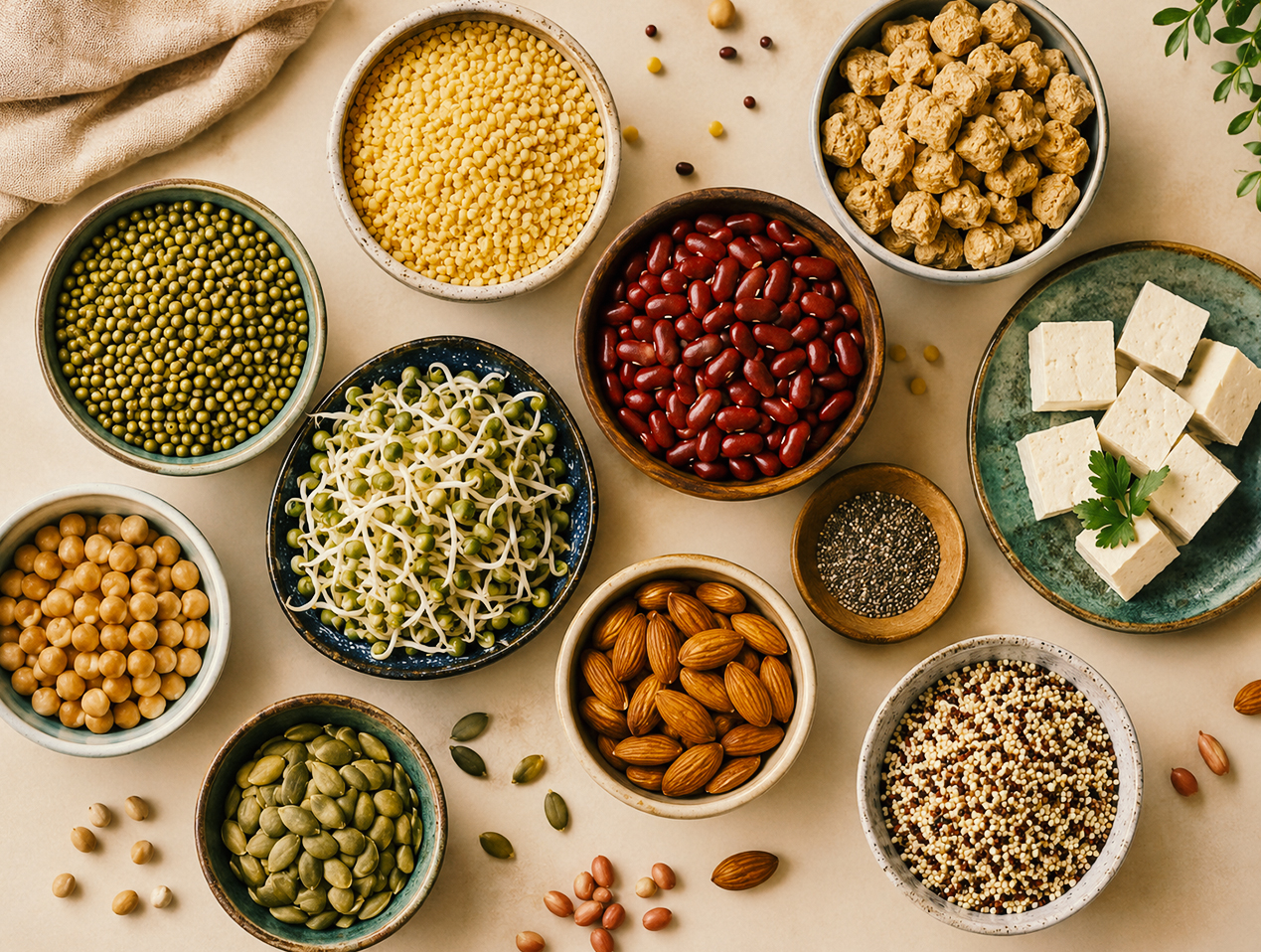
Don’t sleep on these. Peanuts have about 25-26 grams of protein per 100 grams. Almonds clock in at 21 grams. Pumpkin seeds? Nearly 19 grams.
Yeah, they’re calorie-dense, so you can’t go crazy. But a handful as a snack or sprinkled on your dal adds protein and healthy fats without much effort.
Watch Your Portions
A quarter cup is plenty. You’re boosting protein, not trying to eat an entire bag in one sitting.
Roasted Chana: The Perfect Snack
Roasted chickpeas (bhuna chana) are the ultimate grab-and-go protein snack. Crunchy, satisfying, and packed with protein—they’re what you should be reaching for instead of chips.
Keep a jar at your desk or in your bag. When 4 PM hunger hits, you’ll thank yourself.
How to Build a High-Protein Vegan Day
Here’s what a solid protein day might look like:
- Breakfast: Sattu drink or tofu scramble with roti
- Lunch: Dal with rice and a side of roasted chickpeas
- Snack: A handful of roasted chana or peanuts
- Dinner: Soy chunk curry with vegetables and chapati
That’s easily 50-60 grams of protein without breaking a sweat. Add variety across the week and you’re golden.
Final Thoughts: You’ve Got This
Being vegan in India isn’t a protein struggle. You’ve got dal, soy chunks, sattu, chickpeas, tofu, nuts, and a dozen other options sitting right there in your kitchen or local market. Most are cheaper than meat, easier to store, and just as satisfying when cooked right.
The key? Variety. Don’t eat the same thing every day. Mix it up, try new recipes, and remember that any vegan dietician or nutritionist in Bangalore will tell you the same thing: plant-based eating works when you eat a range of whole foods.
So next time someone asks where you get your protein, smile and tell them about your soy chunk biryani. Then invite them over for dinner and watch their mind change.
Frequently Asked Questions
Can I get enough protein on a vegan diet in India?
Absolutely. Indian cuisine offers plenty of high-protein vegan options like dal, soy chunks, chickpeas, and sattu. With proper meal planning and variety, meeting your daily protein needs is completely achievable.
Do I need to combine proteins at every meal?
No. While combining complementary proteins (like dal and rice) is beneficial, you don’t need complete proteins at every meal. Eating a variety of plant foods throughout the day ensures you get all essential amino acids.
What’s the cheapest high-protein vegan food in India?
Dal and soy chunks are among the most affordable options. Both provide excellent protein content at a fraction of the cost of animal products and are widely available across India.
Should I consult a vegan dietician for meal planning?
If you’re new to veganism or have specific health goals, consulting a vegan dietician or nutritionist in Bangalore can help you create a balanced, protein-rich meal plan tailored to your needs.
Are plant proteins as good as animal proteins?
Yes. While individual plant proteins may have different amino acid profiles, eating a variety of plant-based proteins throughout the day provides all the essential amino acids your body needs for optimal health.
How much protein do active people need on a vegan diet?
Active individuals typically need 1.2-2 grams of protein per kilogram of body weight. This is easily achievable with Indian vegan foods like soy chunks, lentils, tofu, and nuts combined throughout the day.
Not sure where to start?
Take the 7 day Nutri Trial and see what a plan built around your own kitchen actually feels like.
Start your trial