
Introduction:
What is a Cheat Meal?
A cheat meal is a planned, temporary break from your regular diet where you enjoy foods that might not fit your typical nutrition plan. Unlike a cheat day, which involves unrestricted eating for an entire day, a cheat meal is a single meal that allows you to indulge in your favorite foods while maintaining your overall fitness journey. This strategic approach helps you satisfy cravings without derailing your progress, making it an essential tool for sustainable weight management and long-term adherence to healthy eating habits.
Why Cheat Meals Matter
Incorporating cheat meals into your nutrition plan offers significant psychological and physiological benefits. Mentally, cheat meals provide a much-needed break from dietary restrictions, reducing feelings of deprivation, and improving adherence to your overall eating plan. When you know a favorite meal is coming, it becomes easier to stay disciplined throughout the week.
From a physiological perspective, cheat meals can help counteract metabolic adaptation that occurs during prolonged calorie restriction. When you diet for extended periods, your body may reduce leptin levels—a hormone that regulates hunger and metabolism. A well-timed cheat meal can temporarily boost leptin, support thyroid function and help maintain your metabolic rate. This makes cheat meals particularly valuable for those on long-term weight loss journeys.
Additionally, cheating meals creates social flexibility, allowing you to enjoy meals with family and friends without the stress of strict dietary rules. This balance between discipline and enjoyment is crucial for developing a healthy, sustainable relationship with food.
The Risks of Unplanned Cheat Meals
While cheat meals can be beneficial, unplanned or excessive indulgences carry significant risks. Without structure, a single cheat meal can easily spiral into a cheat day or weekend, consuming thousands of extra calories that erase your weekly deficit. Research shows that one uncontrolled cheat day can undo the calorie deficit created by five days of disciplined eating.
Unplanned cheat meals often trigger guilt and negative self-talk, creating an unhealthy cycle of restriction and bingeing. This pattern can damage your relationship with food and undermine your confidence in maintaining healthy habits. Furthermore, frequent or poorly timed cheat meals can cause significant blood sugar fluctuations, leading to energy crashes and increased cravings in the following days.
For individuals with specific health conditions like diabetes or insulin resistance, unstructured cheat meals pose additional health risks. The lack of planning also makes it difficult to track progress accurately, leaving you uncertain about what’s working in your nutrition approach.
How to Plan Your Cheat Meal the Right Way
Strategic planning transforms cheat meals from potential setbacks into powerful tools for success. Start by scheduling your cheat meal in advance—ideally once per week if you’re at a moderate body fat percentage, or once every two weeks if you’re working toward aggressive fat loss goals. Timing matters: consider placing your cheat meal after an intense workout when your body is primed to utilize nutrients effectively.
Choose foods you genuinely enjoy rather than eating indiscriminately. Whether it’s pizza, pasta, or dessert, make it count by selecting quality options that truly satisfy your cravings. Practice portion awareness even during cheat meals—enjoy the foods you love without eating to uncomfortable fullness.
Maintain your regular eating schedule throughout the day; don’t skip meals in anticipation of your cheat meal, as this can lead to excessive hunger and overeating. Stay hydrated and consider including protein and vegetables alongside your indulgent choices to promote satiety and better blood sugar control. Most importantly, return to your regular nutrition plan immediately after your cheat meal without guilt or compensatory restriction.
And these are important. Food has a deep connection with our psyche, our memories and our happiness quotient that spreads wide wings when we indulge and eat what our heart desires. And that feeling is pure bliss. Never let it go. Weave it cleverly into your routine to keep your efforts going and sustaining!
But how do you do this without damaging all that you have worked for, the exercise, the food regulation, the portion control which finally paved the way for good results?
- Remember that a cheat meal is a reward for your hard work and effort to keep your fitness goals going. So plan for it, but do not fret over it. You have eaten right throughout the week, a cheat meal or two in the weekend cannot and will not take over your life! But, but, but that also means that throughout the week you have to be careful not to reach out to anything, not that little piece of chocolate luring you from the refrigerator or that “1 teaspoon” of mixture that looks harmless. Leave your cheat for one or two blocks of 2-3 hours where you indulge in what you want to eat. Do not scatter them in little minuscule pockets through that week. Keep it compact.
- Do not cheat through the weekend. The weekend typically comprises of 7 main meals lasting from a Friday night to a Sunday night. So if you work hard at your food routine through the week and cheat throughout the weekend, that’s 30% of your week that’s been washed down without any regulation. This won’t work and will ruin your pace towards your goal!
- During your cheat, eat without guilt, eat without moderation, eat as much as you want.
Your otherwise fitness and food eating practices will have naturally shrunk your stomach capacity to a healthy limit. Hence you may not be able to eat as much as you may want to, as you may visualize in your mind’s eye. But when you tell yourself without guilt that you are going to cheat and eat whatever of and how much ever of anything you want, it send a very positive vibe to yourself, satisfying your cravings and setting you free in your mind that this lifestyle is sustainable and not a binding!
There will now be never a question of “how long can I do this”? - Make sure that in your food routine your digestive and gut health is taken care of. This is uber imperative. If you digest well & have a great gut, remember that not only will your health multiply manifold but your body will be able to handle your cheats well too! So add in those probiotics, bring on those healthy spices like ginger, cinnamon and cloves, think nothing of drinking 3-3.5 litres of water a day and infusing your water with veggies and fruits.
- Last but not the least, always remember that your body gets used to what you get it used to. When you cheat twice a week and yet achieve your goals, your confidence soars. Remind yourself then that sustainability is as important on a healthy path as the goal itself.
So get your body used to the cheats, after all you are eating healthy 19 meals a week which is a sure majority to the two innocuous cheats saved up for the week!
How Anupama Menon Helps Clients Include Cheat Meals While Still Reaching Goals
At AnupamaMenon, the approach to cheat meals is rooted in personalization and sustainability. Anupama Menon works closely with clients to design customized nutrition plans that strategically incorporate cheat meals based on individual goals, body composition, and lifestyle factors. Rather than viewing cheat meals as deviations from the plan, they’re integrated as essential components of a balanced approach to nutrition.
Clients receive education on timing, portion management, and food selection to maximize enjoyment while minimizing impact on progress. Anupama emphasizes the importance of mindful eating during cheat meals, helping clients develop awareness around hunger cues and satisfaction. This coaching extends beyond simple meal planning to address the psychological aspects of eating, ensuring clients build a positive relationship with food that supports long-term success. Through regular monitoring and adjustments, clients learn to use cheat meals as strategic tools rather than obstacles, making their fitness journey both effective and enjoyable.
Life is a pleasure and food is an essential part of who we are and how we feel. When we eat, we can be careful, not guilty. Guilt and food just cannot hold hands, all we need to do is find a way to reward ourselves as we remind ourselves at the same time that it’s all about finding the right balance.
Frequently Asked Questions About Cheat Meals
How often should I have a cheat meal?
The ideal frequency depends on your body composition and goals. If you’re at a moderate body fat percentage (15-20% for men, 20-25% for women), once per week works well. For aggressive fat loss goals, limit cheat meals to once every 10-14 days.
Will a cheat meal ruin my progress?
No, a single planned cheat meal won’t derail your progress. It takes 3,500 excess calories to gain one pound of fat. Most cheat meals contain 500-1,000 extra calories, which won’t significantly impact your overall weekly deficit when planned properly.
What’s the difference between a cheat meal and a cheat day?
A cheat meal is one meal where you enjoy foods outside your regular plan, while a cheat day involves unrestricted eating throughout the entire day. Cheat meals are more controlled and less likely to create excessive calorie surpluses.
Should I exercise before my cheat meal?
Yes, scheduling your cheat meal after an intense workout is beneficial. Your body is more insulin-sensitive post-exercise, meaning nutrients are more likely to be used for recovery rather than stored as fat.
Can I have cheat meals while trying to lose weight?
Absolutely. Strategic cheat meals can actually support weight loss by preventing metabolic slowdown, reducing cravings, and improving dietary adherence. The key is planning and moderation.
What foods are best for a cheat meal?
Choose foods you genuinely crave and enjoy. Common options include pizza, burgers, pasta, desserts, or ethnic cuisines. The best cheat meal is one that satisfies you psychologically while fitting within reasonable portion sizes.
What to Eat on Cheat Day for Weight Loss?
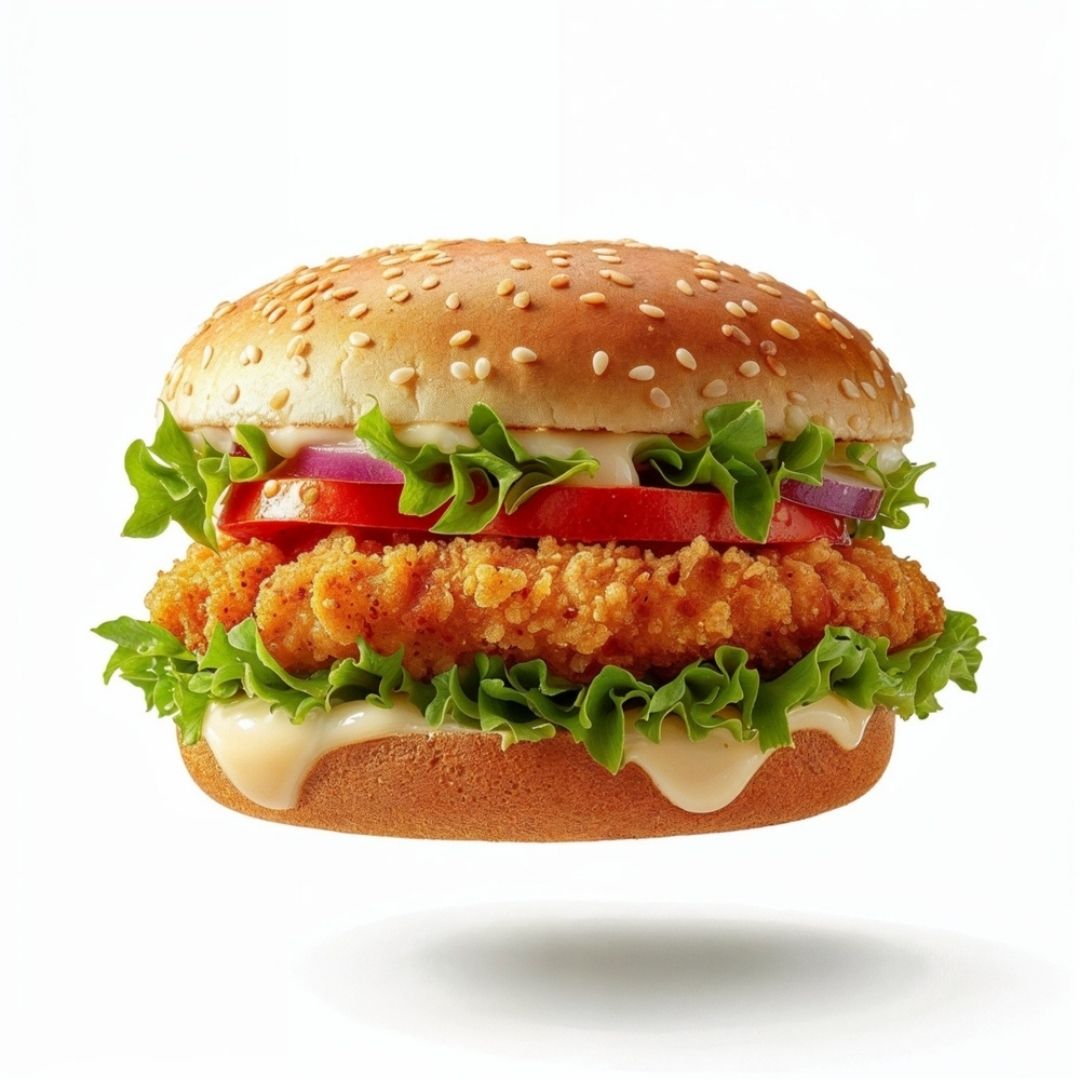
Focus on foods you genuinely crave—pizza, burgers, pasta, desserts—but keep it to one meal, not an entire day. Choose higher-protein options when possible (like a chicken burger or paneer pizza) to stay fuller longer and minimize the calorie surplus. The key is satisfaction without going overboard; eat what you love, enjoy every bite, and return to your regular plan at the next meal.
Not sure where to start?
Take the 7 day Nutri Trial and see what a plan built around your own kitchen actually feels like.
Start your trial