
Learn what Indian vegetarians should eat before, during, and after workouts with practical meal plans, hydration tips, and protein-rich food choices.


Table of Contents
- Why Your Workout Food Plan Actually Matters
- What to Eat Before Your Workout (Indian Vegetarian Options)
- During Your Workout: Keep It Simple
- Post-Workout Meals: The Recovery Window
- Hydration: The Most Ignored Part
- Foods to Absolutely Avoid Before Working Out
- High-Protein Vegetarian Options That Actually Work
- Sample Full-Day Eating Plan for Gym-Goers
- Common Mistakes People Make
- Frequently Asked Questions
Ever wondered why you feel sluggish halfway through your workout or struggle to recover the next day? Here’s the thing: what you eat around your gym sessions matters just as much as the workout itself. But most advice you’ll find online talks about quinoa bowls and protein smoothies that don’t really fit how we eat in India. Let’s fix that. This guide breaks down exactly what Indian vegetarian foods to eat before, during, and after exercise—whether you’re trying to build muscle, lose fat, or just stay healthy.
Why Your Workout Food Plan Actually Matters
Think of your body like a car. You wouldn’t start a road trip on an empty tank, right?
The foods you eat around exercise directly impact your energy levels, performance, and recovery. Pre-workout meals give you fuel to power through. During-workout nutrition keeps you going for longer sessions. Post-workout food helps your muscles repair and grow stronger. Skip any of these, and you’re basically working against yourself. According to fitness experts, timing your meals properly can mean the difference between hitting a new personal record and barely finishing your routine.
What to Eat Before Your Workout (Indian Vegetarian Options)
The goal here? Give your body easily digestible carbs for energy and some protein for muscle support, without feeling heavy or bloated.
Full Meal (2-3 Hours Before)
Research shows that eating a proper meal two to three hours before working out is ideal. This gives your body enough time to digest without causing discomfort. Here’s what works:
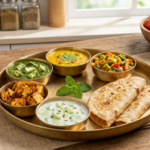
- 2 multigrain rotis with dal and a small bowl of curd
- Vegetable poha with peanuts and roasted chana
- Oats cooked in milk with sliced banana and a handful of almonds
- Brown rice with paneer bhurji and mixed vegetables
Quick Snack (30-60 Minutes Before)
Running late? Grab something light you can eat 30 to 60 minutes before hitting the gym:
- 1 banana with 5 soaked almonds
- A small bowl of upma or sabudana khichdi
- Whole grain toast with peanut butter
- A glass of buttermilk with roasted makhana
Pro tip: avoid anything fried, super spicy, or loaded with fat. Foods like pakoras, samosas, and heavy curries will sit in your stomach like a rock and kill your energy.
During Your Workout: Keep It Simple
For most hour-long gym sessions, plain water is honestly all you need.
WebMD recommends drinking about half to one cup of water every 15 to 20 minutes during exercise. That’s it. You don’t need fancy sports drinks unless you’re doing intense cardio for over an hour or working out in serious heat.
But if you’re training hard for 90+ minutes? Then consider:
- Coconut water for natural electrolytes
- Lemon water with a pinch of salt and jaggery
- Fresh fruit juice diluted with water
Most people overcomplicate this part. Water works. Don’t overthink it.
Post-Workout Meals: The Recovery Window
This is where things get interesting. Your muscles are basically screaming for nutrients right now.
For most active people, a post-workout meal containing approximately 20 to 40 grams of protein is usually enough to support recovery. When planning your meal plans and workouts together, you want to eat within 30 minutes to 2 hours after finishing—closer is better, but you don’t need to panic if it takes a bit longer.
Muscle Gain Focus
Try these combinations within 30 minutes after your workout:
- Paneer bhurji (100g) with 1 multigrain roti and curd
- Moong dal with brown rice and a glass of buttermilk
- Soy chunks curry with sweet potato and vegetables
- Tofu scramble with whole wheat toast and banana
Fat Loss Focus
Keep protein high but dial back the carbs slightly:
- Sprouted moong salad with paneer cubes and 1 thin roti
- Grilled paneer tikka with a mixed vegetable salad
- Greek yogurt with berries and roasted chana
- Masoor dal soup with a small portion of quinoa or millets
The key? You need both protein and carbs post-workout. Don’t skip carbs thinking it’ll help you lose weight faster—your body needs them to recover properly.
Hydration: The Most Ignored Part of Workout Food Plans
Let’s be real—most people don’t drink enough water around their workouts.
Here’s what experts actually recommend:
- Before exercise: About 2 to 3 cups of water
- During exercise: Half to 1 cup every 15-20 minutes
- After exercise: About 2 to 3 cups for every pound of weight you lose
That last one trips people up. Weigh yourself before and after intense workouts. Lost a kilogram? That’s mostly water weight you need to replace. For really tough sessions, throw in some electrolytes—coconut water, nimbu paani with black salt, or jaljeera works perfectly.
Foods to Absolutely Avoid Before Working Out
Some foods are workout killers. Steer clear of these before hitting the gym:
- Deep-fried snacks like samosas, pakoras, vadas
- Heavy curries with lots of oil and cream
- Sugary desserts and mithai
- Carbonated drinks and sodas
- Very spicy foods that might upset your stomach
Basically, anything that takes forever to digest or makes you feel uncomfortably full is a no-go.
High-Protein Vegetarian Options That Actually Work
Getting enough protein on a vegetarian diet for the gym isn’t as hard as people think. You just need to be a bit smarter about your choices.
High-protein vegetarian foods:
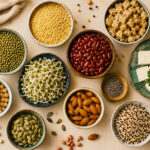
- Paneer, tofu, and soy chunks
- All types of dal—moong, masoor, chana, rajma
- Greek yogurt and hung curd
- Sprouts (moong, chana, matki)
- Quinoa and millets
- Nuts, seeds, and nut butters
Mix and match these throughout your day, and you’ll hit your protein targets without needing supplements. Integrating meal plans and workouts with these protein-rich foods makes achieving your fitness goals much easier.
Sample Full-Day Eating Plan for Gym-Goers
Here’s how a typical day might look (adjust portions based on your goals):
Morning (pre-workout): 2 glasses warm water, then 1 banana with 5 almonds
Post-workout breakfast: Paneer bhurji with vegetables, 2 rotis, curd
Mid-morning snack: Handful of roasted chana or makhana
Lunch: Brown rice or millets, dal, sabzi, salad, buttermilk
Evening snack: Greek yogurt with berries or paneer tikka
Dinner: Tofu or extra paneer curry, mixed vegetables, 1-2 rotis, soup
Notice how it’s all normal Indian vegetarian food? No fancy imported stuff needed.
Common Mistakes People Make With Workout Food Plans
After years of seeing people struggle, these are the biggest slip-ups:
- Skipping pre-workout fuel: Then wondering why they have zero energy
- Only focusing on protein post-workout: Carbs matter too for recovery
- Not drinking enough water: Dehydration kills performance faster than anything
- Eating too close to workout time: Heavy meal 30 minutes before = guaranteed discomfort
- Cutting carbs too aggressively: You need them for energy, especially if you’re training hard
Sound familiar? Fix even one of these and you’ll notice a difference.
Bottom Line: Keep It Simple and Consistent
Look, you don’t need a perfect workout food plan. You need a consistent one that works with your lifestyle and uses foods you actually enjoy eating.
Eat something light before your workout. Stay hydrated during. Get protein and carbs within a couple hours after. Use normal Indian vegetarian foods—dal, rice, roti, paneer, vegetables, curd, fruits. That’s literally it.
Stop overcomplicating things. Your body doesn’t care if your post-workout meal is Instagram-worthy. It cares that you’re giving it the right fuel at roughly the right times. Combining smart meal plans and workouts consistently is what brings real results. Do that, and the results will follow. Now get to the gym—you know exactly what to eat.
Frequently Asked Questions
What should I eat 30 minutes before a workout?
Go for quick-digesting carbs like a banana with almonds, upma, or whole wheat toast with peanut butter. Avoid heavy, oily, or spicy foods that might cause discomfort during exercise.
Can I build muscle on a vegetarian diet?
Absolutely! Indian vegetarian foods like paneer, dal, tofu, soy chunks, curd, and sprouts provide excellent protein. Aim for 20-40 grams of protein post-workout from these sources for optimal muscle recovery and growth.
How much water should I drink during exercise?
Drink half to one cup of water every 15-20 minutes during your workout. For sessions longer than 90 minutes or in hot weather, consider coconut water or nimbu paani for electrolyte replenishment.
Is it necessary to eat immediately after working out?
While eating within 30 minutes to 2 hours post-workout is ideal, closer is better. This “recovery window” helps your muscles repair and replenish glycogen stores more efficiently, but don’t panic if you eat slightly later.
What are the best post-workout vegetarian meals for fat loss?
Focus on high-protein, moderate-carb meals like sprouted moong salad with paneer, grilled paneer tikka with vegetables, Greek yogurt with berries, or masoor dal soup with millets. These provide protein for recovery while keeping calories in check.
Do I need protein powder as a vegetarian gym-goer?
Not necessarily. If you’re eating enough paneer, dal, tofu, soy chunks, and curd throughout the day, you can meet your protein needs with whole foods. Protein powder is convenient but optional—it’s a tool, not a requirement.
Ready When You Are
We’re just a message away from getting started.

Comments
Halley
I am regular reader, how are you everybody? This article posted at this website is truly nice.
Check out my web site – Dream Proxies