Discover when underweight women with PCOD should see a dietitian. Learn how a personalized PCOD diet chart for weight gain supports healthy weight, balanced hormones, and regular menstrual cycles.


Table of Contents
- Introduction
- Wait, You Can Have PCOD and Be Underweight?
- Why Standard PCOD Advice Backfires for Thin Women
- What a PCOD Diet Chart for Weight Gain Actually Looks Like
- The Low-GI Trick Nobody Explains Properly
- Signs You Shouldn’t Be Doing This Alone Anymore
- Common Mistakes I See All the Time
- What Working with a Dietitian Actually Looks Like
- Bottom Line
- Frequently Asked Questions
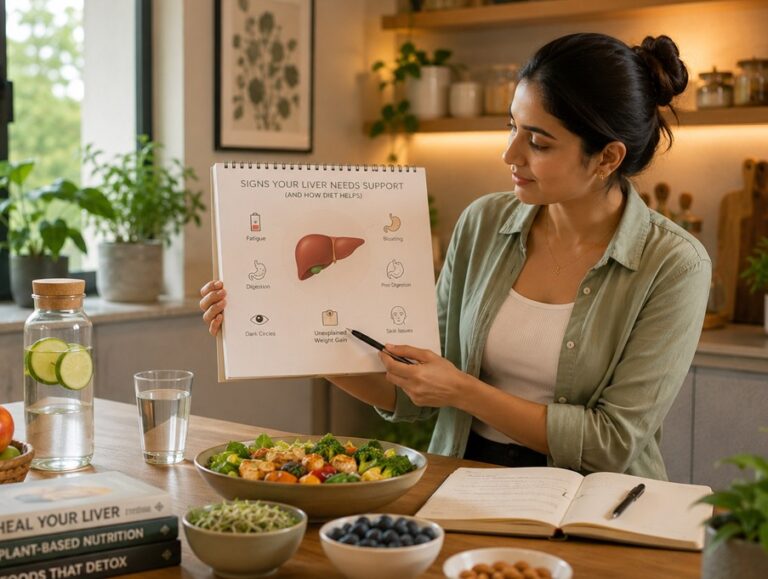
Here’s something nobody talks about enough. Not everyone with PCOD is trying to lose weight. Some of you are actually struggling to keep weight on, or you’ve watched the scale drop while your periods went haywire. And honestly? Every article you read screams “lose 5-10% of your body weight” like that’s the answer to everything. It isn’t. Not for you. If you’re thin, underweight, or just barely holding onto a healthy BMI while dealing with PCOD, the standard advice can actually make things worse. This article breaks down what underweight PCOD actually needs, what a proper pcod diet chart for weight gain looks like, and the signs it’s time to stop Googling and book a real consultation.
Wait, You Can Have PCOD and Be Underweight?
Yes. Absolutely. PCOD isn’t just an “overweight woman’s condition”—that’s one of the biggest myths floating around. Lean PCOD is real, and it comes with the same hormonal chaos: irregular cycles, acne, hair thinning, fatigue, mood swings, and fertility concerns.
The tricky part? Insulin resistance can still show up even when your BMI is low. So the “just cut carbs and lose weight” playbook most sources push, including the standard framing from Dietitians Australia, doesn’t really apply to you.
Why Standard PCOD Advice Backfires for Thin Women
Think about it. Most PCOD content is built around calorie deficits. Cutting carbs. Skipping snacks. Fasting windows. If you’re already underweight and you follow that? You lose more weight, your periods get worse, your energy tanks, and your hormones sink further into the mess.
Undereating is a stressor. Your body reads low intake as danger, and reproductive hormones are the first to get sacrificed. That’s biology, not opinion. A generic pcod diet chart won’t address this—you need a personalized approach that supports both weight gain and hormone balance.
What a PCOD Diet Chart for Weight Gain Actually Looks Like
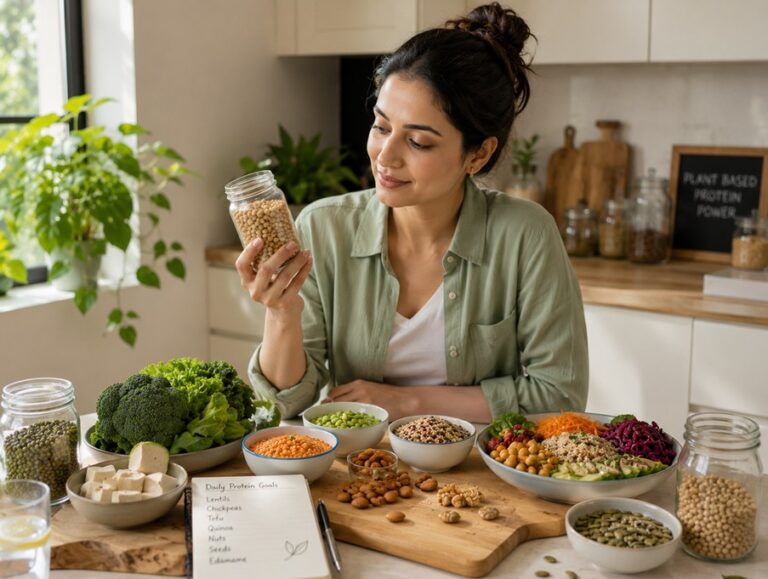
Here’s where things get interesting. A proper pcod diet chart for weight gain isn’t about stuffing yourself with sweets and fried stuff. It’s about eating more, but eating smart—supporting insulin balance while adding calories through nutrient-dense foods.
Sample Daily Meal Plan
- Breakfast: Oats cooked in full-fat milk with almonds, chia seeds, and a banana
- Mid-morning: A handful of walnuts plus a boiled egg or paneer cubes
- Lunch: Brown rice or millet roti, dal, a protein (fish, chicken, or tofu), sabzi with ghee
- Evening snack: Peanut butter on whole-grain toast, or a smoothie with curd, oats, and dates
- Dinner: Quinoa or roti with paneer/chicken curry and cooked greens
- Before bed: Warm milk with soaked almonds
The idea is layered calories. Healthy fats, complex carbs, quality protein—together, at every meal. Brown Health recommends filling half your plate with non-starchy veggies, but for weight gain you also want energy-dense additions like nuts, seeds, avocado, and cold-pressed oils on top of that base.
The Low-GI Trick Nobody Explains Properly
Low-GI doesn’t mean low-carb. Big difference. It just means your carbs release sugar slowly, which keeps insulin steady. For underweight PCOD, you still eat plenty of carbs—you just choose the right ones. Millets, oats, brown rice, sweet potatoes, whole wheat rotis. Skip the maida, sugary drinks, and refined snacks. Apollo Hospitals notes the goal is stabilizing insulin and reducing inflammation, not slashing calories.
Signs You Shouldn’t Be Doing This Alone Anymore
Real talk. Some situations call for professional eyes. If any of these sound like you, book that consult:
- Your BMI is below 18.5 and dropping
- Periods have gone missing for 3+ months
- You feel exhausted even after eating “well”
- You’ve tried gaining weight for months with zero movement
- You’re trying to conceive and cycles are erratic
- Food feels stressful, or you’re stuck in restrict-binge patterns
- Hair loss, brittle nails, or constant hunger despite eating
These aren’t things a random Instagram meal plan fixes. As The Dietologist puts it, a dietitian with PCOS experience is an essential member of your care team—not optional.
Common Mistakes I See All the Time
Skipping breakfast. Drinking green tea instead of eating. Cutting rice completely. Fearing ghee. Doing intermittent fasting because a wellness influencer said so. Loading up on protein bars that are basically candy. All of these tank your progress.
Meal regularity matters more than most people realize. Eating every 3-4 hours keeps blood sugar stable and gives your body enough fuel to actually build weight and balance hormones.
What Working with a Dietitian Actually Looks Like
A good dietitian doesn’t hand you a printout and send you off. At Anupama, the process starts with understanding your symptoms, cycle patterns, appetite, digestion, lifestyle, and lab work. From there, you get a plan built around you—not a generic PCOD template pulled from Google.
Expect adjustments. Expect check-ins. Expect someone who understands that gaining weight with PCOD is a hormonal puzzle, not a math problem.
Bottom Line
PCOD in an underweight body needs a completely different approach than what most articles are selling. You need calories, not restriction. Nutrient density, not deprivation. Consistent meals, not fasting windows. And honestly? You need someone who’s actually done this before, not another generic pcod diet chart scraped off the internet.
If your periods are messy, your energy is flat, and the scale won’t budge upward no matter what you eat—that’s your sign. Reach out, get a proper assessment, and stop trying to solve a hormonal puzzle with weight-loss advice. Your body deserves care that fits, not care that fights against it.
Frequently Asked Questions
Can you have PCOD and still be underweight?
Yes, lean PCOD is a real condition. You can have all the hormonal symptoms—irregular periods, acne, hair issues—even with a low BMI. Insulin resistance can still occur in underweight women with PCOD.
What should a PCOD diet chart for weight gain include?
A proper pcod diet chart for weight gain should focus on nutrient-dense, calorie-rich foods with low-GI carbs, healthy fats, and quality protein at every meal. Think oats, nuts, full-fat dairy, ghee, whole grains, and lean proteins spread across 5-6 meals daily.
Why doesn’t standard PCOD advice work for thin women?
Most PCOD advice focuses on calorie restriction and weight loss. For underweight women, this approach worsens hormonal imbalance, depletes energy, and can cause periods to stop entirely. You need a weight-gain strategy instead.
When should I see a dietitian for underweight PCOD?
See a dietitian if your BMI is below 18.5, your periods have stopped for 3+ months, you’ve tried gaining weight without success, or you’re experiencing severe fatigue, hair loss, or fertility concerns despite eating well.
Is intermittent fasting safe for underweight PCOD?
No. Intermittent fasting can worsen hormone imbalance in underweight women with PCOD. Regular meals every 3-4 hours are essential for stabilizing blood sugar and supporting reproductive hormones.
Ready When You Are
We’re just a message away from getting started.