
- Why Your Liver Even Needs “Support”
- Signs Your Liver Might Be Struggling
- Can Diet Actually Reverse Liver Damage?
- What a Real Liver Cleansing Diet Looks Like
- How Much Weight Loss Actually Helps?
- Simple Daily Habits That Move the Needle
- When to See a Professional
- Frequently Asked Questions
Your liver is doing a lot right now. Like, right this second. It’s filtering blood, breaking down fats, storing nutrients, and processing pretty much everything you eat, drink, breathe, or slather on your skin. And it does all of this quietly. No complaints. No dramatic warning signs—until suddenly, there are.
Here’s the tricky part: liver stress doesn’t announce itself with a loud symptom. It whispers. You feel sluggish. Your digestion gets weird. Your skin acts up. And most people brush it off as stress or bad sleep. But your liver might be waving a small flag, asking for help. The good news? A thoughtful liver cleansing diet—one built on real food, not detox teas—can genuinely turn things around. Let’s talk about what to notice and what to eat.
Why Your Liver Even Needs “Support”
Think of the liver as your body’s processing plant. Everything runs through it. When you overload it with processed sugar, alcohol, refined carbs, and too much saturated fat, fat starts to build up inside liver cells. That’s the beginning of what’s now called MASLD (metabolic dysfunction-associated steatotic liver disease). Fancy name. Simple cause.
And it’s more common than you’d think. You don’t have to be a heavy drinker to develop fatty liver. You don’t even have to be overweight.
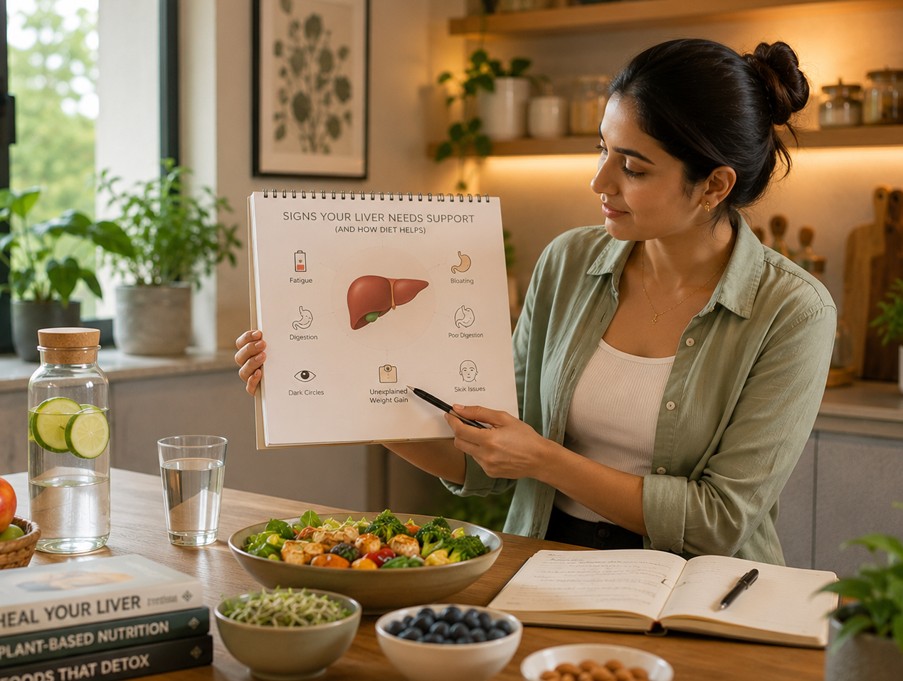
Signs Your Liver Might Be Struggling
Pay attention if you’re noticing a few of these together:
- Constant fatigue, even after decent sleep
- Bloating or a dull ache under your right ribs
- Brain fog that just won’t lift
- Itchy skin without a clear reason
- Dark urine or pale stools
- Easy bruising
- Yellowish tint to your eyes or skin (this one’s serious—see a doctor)
- Elevated ALT or AST on a routine blood test
One or two? Probably nothing. Several together? Worth investigating.
Can Diet Actually Reverse Liver Damage?
Short answer: often, yes—especially in the early stages. According to the American Liver Foundation, even a 5% weight loss can reduce fat in the liver, a 7% loss can start reversing steatotic liver disease, and a 10% loss can resolve inflammation and improve some scarring. That’s huge. Real, measurable healing—just from eating differently and moving more.
What a Real Liver Cleansing Diet Looks Like
Forget the juice cleanses. Seriously. Your liver doesn’t need a three-day lemon water fast—it needs consistent, nourishing meals. A proper liver cleansing diet leans heavily Mediterranean: lots of plants, whole grains, lean proteins, and healthy fats.
Houston Methodist Hospital recommends aiming for roughly 1 gram of protein per kilogram of body weight daily, plus 20 to 40 grams of fiber. Interesting bonus: 2–3 cups of black coffee a day is actually linked to lower liver disease risk.
Foods Your Liver Loves
- When thinking about food for blood purification and liver support, focus on nutrient-dense whole foods that help your liver function optimally: Leafy greens, broccoli, cauliflower, and other cruciferous veggies
- Berries, citrus, apples
- Fatty fish like salmon and sardines
- Olive oil, avocado, nuts, seeds
- Legumes and whole grains (oats, quinoa, brown rice)
- Black coffee and green tea
Foods That Overload It
- Sugary drinks and anything loaded with fructose
- White bread, pastries, refined carbs
- Fried food and deep-fried snacks
- Red meat and processed meats in excess
- Alcohol (even “just a little” if your labs are off)
How Much Weight Loss Actually Helps?
This one surprises people. You don’t need to lose 30 kilos. Even losing 5 to 10% of your body weight can significantly reduce liver fat. For someone at 70 kg, that’s just 3.5 to 7 kg. Doable. Sustainable. And the difference it makes on liver enzymes? Often dramatic.
Simple Daily Habits That Move the Needle
- Fill half your plate with non-starchy vegetables
- Drink 6–8 glasses of water daily, per the Liver Foundation
- Walk after meals—start with 5 minutes, build to 150 minutes weekly
- Cut sugary drinks completely (this alone changes labs fast)
- Eat small, regular meals instead of skipping and binging
When to See a Professional
If your ALT/AST numbers are climbing, or symptoms are stacking up, don’t self-diagnose from a blog (yes, even this one). Get bloodwork. Get imaging if needed. And if you want a plan built around your body, your labs, and your real life—not a generic PDF—working with a qualified nutritionist like Anupama Menon can make the difference between guessing and actually healing.
Bottom Line
Your liver is patient. It’ll take a beating for years before it complains loudly. But those quiet signs—the fatigue, the bloating, the sluggish mornings—they’re worth listening to. A smart liver cleansing diet isn’t about extremes. It’s about giving your liver fewer things to fight and more things to work with. Incorporating food for blood purification like leafy greens, berries, and cruciferous vegetables helps your liver do what it does best. Cut the sugar. Load up on plants. Move a little every day. Get your labs checked. And be patient with the process—liver healing happens in weeks and months, not days. Your future self will thank you.
Frequently Asked Questions
What is the best liver cleansing diet?
The best liver cleansing diet is a Mediterranean-style eating pattern rich in vegetables, fruits, whole grains, lean proteins, and healthy fats. Focus on real, whole foods rather than detox products or juice cleanses.
How long does it take to cleanse your liver through diet?
Liver improvement can begin within weeks, but significant healing typically takes 3-6 months of consistent dietary changes. Even a 5% weight loss can start reducing liver fat within the first month.
Can fatty liver be reversed with diet alone?
Yes, in early stages, fatty liver can often be reversed through diet and lifestyle changes. Studies show that 7-10% weight loss can significantly reduce liver fat and inflammation without medication.
What foods should I avoid for liver health?
Avoid sugary drinks, refined carbohydrates, fried foods, excessive red meat, processed meats, and alcohol. These foods increase liver fat accumulation and inflammation.
Do I need supplements for liver detox?
No, your liver detoxifies itself naturally. Instead of supplements, focus on providing your liver with nutrient-rich whole foods, adequate hydration, and regular physical activity for optimal function.
Not sure where to start?
Take the 7 day Nutri Trial and see what a plan built around your own kitchen actually feels like.
Start your trial