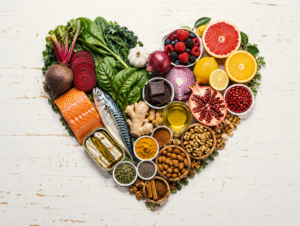

Ever eaten a “healthy” meal and still ended up with that familiar burn creeping up your chest an hour later? You’re not imagining it. The whole alkaline foods conversation has exploded online, with promises that the right pH on your plate can calm reflux, fix heartburn, and basically save your digestion. Some of that’s true. A lot of it isn’t. Here’s what I want to do in this piece: cut through the noise, look at what the actual science says, and give you a practical way to figure out what works for your body. Because reflux is weirdly personal. What soothes one person sets another one off. We’ll cover which alkaline foods tend to help, which “safe” foods still cause problems, the truth about alkaline water, and when it’s time to stop googling and call a doctor.
What Even Is an Alkaline Food?
Quick science bit, I promise it won’t hurt. The pH scale runs from 0 (super acidic) to 14 (super alkaline), with 7 sitting neutral. Foods above 7 are called alkaline. Think melons, bananas, leafy greens, most vegetables.
Here’s where people get tripped up. There’s a difference between a food that is alkaline (its own pH) and a food that creates a lower “dietary acid load” after your body processes it. These aren’t the same thing. And neither of them changes the pH of your stomach, which sits around 1.5 to 3.5 on a normal day. Your stomach is supposed to be acidic. That’s how digestion works.
So when someone claims alkaline foods “neutralize stomach acid,” that’s a stretch. As GoodRx points out, food doesn’t work like an antacid tablet. What alkaline and low-acid foods can do is reduce irritation and lower the odds of triggering a reflux episode. Different mechanism. Still useful.
Why Reflux Happens in the First Place
Reflux isn’t really about having too much acid. It’s about acid showing up where it shouldn’t—your esophagus. There’s a little muscular valve called the lower esophageal sphincter (LES) that’s supposed to stay shut. When it relaxes at the wrong moment, stomach contents sneak upward. That’s the burn.
Certain foods loosen that valve. Others crank up stomach pressure. Big meals, late dinners, and lying flat too soon? All classic LES-relaxers. This is why a “healthy” high-fat meal can still wreck your night, even if nothing on the plate was technically acidic.
Alkaline Foods That Actually Seem to Help
Alright, the practical stuff. Based on what hospitals and peer-reviewed reviews suggest, these are the foods most likely to be reflux-friendly for most people:
- Bananas — low-acid, soft, and rich in pectin. A functional food review flagged them as a solid choice because of their soluble fiber and gentle texture.
- Melons — watermelon, cantaloupe, honeydew. High water content, naturally alkaline, easy on the gut.
- Leafy greens — spinach, kale, lettuce. Low in fat, low in acid.
- Cucumber and fennel — Johns Hopkins Medicine includes fennel on their reflux-friendly list.
- Cauliflower, broccoli, green beans — fiber-rich, non-triggering for most folks.
- Oatmeal — the heartburn sufferer’s best friend. Soaks up acid and keeps you full without overloading the stomach.
- Whole grains like brown rice — Cleveland Clinic recommends these as part of a reflux-friendly pattern.
- Lean proteins — grilled chicken, fish, tofu, egg whites.
- Legumes — beans and lentils, assuming they don’t cause gas issues for you personally.
- Nuts (in moderation) — almonds especially. They’re alkaline but also fatty, so portion matters.
Pay attention to that last note. Nuts are a perfect example of a “healthy alkaline food” that can still backfire if you eat a whole bowl. Fat relaxes the LES. Even good fat.
The Foods That Set Most People Off
According to NIDDK guidance, the usual suspects are:
- Citrus fruits and juices
- Tomatoes and tomato sauces
- Coffee and other caffeinated drinks
- Chocolate (sorry)
- Alcohol
- High-fat and fried foods
- Peppermint and spearmint
- Spicy foods
- Carbonated beverages
Now—and this is important—being on this list doesn’t mean you personally have to banish everything. NIDDK specifically emphasizes individual triggers. Some people drink coffee daily with zero issues. Others get burned by a single square of dark chocolate. Your job is to figure out which column your body sorts each food into.
Does Alkaline Water Actually Do Anything?
Short answer: maybe a little, but it’s not the miracle TikTok claims.
A 2025 review on natural products in GERD management discussed water with a pH above 8.0 and its possible ability to denature pepsin, an enzyme that irritates the esophagus during reflux. Interesting mechanism. Not proof of a cure.
If plain alkaline water makes you feel better, there’s no harm in drinking it. Just don’t swap it for actual treatment if you’re dealing with chronic symptoms. And don’t spend a fortune on fancy bottles when the evidence is still preliminary.
What About Milk, Yogurt, and Dairy?
This one’s a mess, honestly, because the advice contradicts itself everywhere.
The old-school remedy of drinking a glass of milk for heartburn? It can backfire. Milk might soothe for a few minutes, but the fat and protein can trigger more acid production later. Full-fat dairy is usually worse than low-fat.
Yogurt and kefir are more interesting. Mass General Brigham notes that fermented dairy like cottage cheese, kefir, and plain yogurt are tolerated well by some reflux sufferers—but not all. It’s wildly individual. If dairy sits well with you, keep it. If it doesn’t, don’t force it just because some article said it’s “alkaline-friendly.”
The Meal Timing and Portion Thing Nobody Talks About Enough
Real talk: you can eat the most reflux-friendly menu on earth and still get hit if your timing’s off.
The American College of Gastroenterology guideline flags lifestyle habits that matter just as much as food choice:
- Don’t eat within 3 hours of lying down
- Keep portions smaller — big meals = more pressure on the LES
- Stay upright for at least an hour after eating
- Elevate the head of your bed if you get nighttime symptoms
- If you’re carrying extra weight, losing some can seriously help
Think of it this way. You can drive a reliable car badly and still crash it. Same with food. The ingredients matter, but so does how and when you consume them.
What Should I Eat During an Actual Flare-Up?
When you’re mid-burn and just want it to stop, go bland and simple. A banana. Plain oatmeal with a little honey. Rice with steamed vegetables. A few almonds. Cold watermelon. Avoid anything spicy, acidic, fatty, or minty, and skip caffeine entirely until things settle.
Sip water slowly. Chew everything thoroughly. Don’t lie down. And please don’t eat a huge salad thinking “it’s healthy”—the raw volume and acidic dressings can make things worse.
The Mistakes I See People Make Constantly
After working with enough people on their nutrition, patterns emerge. Here’s what trips most reflux sufferers up:
- Eliminating entire food groups without testing. You don’t need to quit all fruit. You might just need to quit oranges.
- Trusting “alkaline” as a magic label. Almonds are alkaline. A cup of them is still a fat bomb.
- Chasing instant cures. No food fixes reflux in 30 seconds. Antacids do. Food does something different—it reduces the odds of triggering the next episode.
- Ignoring stress and sleep. Both affect digestion and LES function. Diet isn’t the whole story.
- Self-treating for years without ever getting checked. Chronic reflux can damage the esophagus. Please don’t tough it out forever.
How to Actually Figure Out Your Triggers
Forget the universal lists for a second. The most useful thing you can do is a simple food and symptom diary for two to three weeks.
- Write down what you eat, when, and how much.
- Note any reflux symptoms within 2–3 hours after.
- Rate severity from 1 to 5.
- Look for patterns after a couple of weeks.
- Test one suspected trigger at a time by removing it, then reintroducing.
This beats following a generic “eat this, not that” list every day of the week. Your gut has opinions. Let it tell you what they are.
When It’s Time to See a Doctor
Alkaline foods can take the edge off. They can’t fix a broken LES or diagnose a condition. Please see a gastroenterologist if you’re dealing with:
- Heartburn more than twice a week
- Symptoms that wake you up at night
- Trouble swallowing
- Unexplained weight loss
- Vomiting, especially with blood
- Persistent cough or hoarseness
- Chest pain (always rule out cardiac first)
These aren’t “just eat more bananas” territory. These are medical evaluation territory.
Conclusion
Here’s what I want you to walk away with. Alkaline foods can genuinely help with acidity and reflux, but not because they magically neutralize stomach acid. They help because they’re usually low-fat, low-acid, and gentler on an already-irritated digestive system. That’s a real benefit. It’s just not the dramatic pH-reset the internet promises.
The winning strategy is boring but it works: eat more plants, smaller portions, earlier in the evening. Figure out your personal triggers instead of trusting a universal list. Drop the high-fat, late-night, giant-portion habits. Pay attention to timing and posture. And when symptoms stick around or get worse, get proper medical care—don’t try to out-diet a real condition.
If you want help building a reflux-friendly eating pattern that fits your actual life (and not someone else’s Instagram grid), that’s exactly the kind of personalized nutrition guidance we focus on at Anupama. Because generic food lists only get you so far. Your gut deserves better than guesswork.
Frequently Asked Questions About Alkaline Foods and Reflux
Do alkaline foods really neutralize stomach acid?
Not exactly. Alkaline foods don’t neutralize stomach acid the way antacids do. Your stomach maintains a highly acidic environment (pH 1.5–3.5) regardless of what you eat. What alkaline foods actually do is reduce irritation to the esophagus and lower the chances of triggering reflux episodes by being gentler on your digestive system.
Can I drink alkaline water instead of taking medication for reflux?
Alkaline water shouldn’t replace prescribed medication. While some research suggests water with pH above 8.0 might help deactivate pepsin (an irritating enzyme), the evidence is still preliminary. If you have chronic reflux symptoms, work with your doctor on a proper treatment plan. Alkaline water can be part of your routine, but it’s not a substitute for medical care.
Are all fruits off-limits if I have acid reflux?
Absolutely not. Citrus fruits and tomatoes are common triggers, but many fruits work well for reflux sufferers. Bananas, melons, apples (not too tart), and pears are generally safe options. The key is identifying your personal triggers rather than eliminating entire food groups based on generic lists.
Why do I still get reflux when eating healthy alkaline foods?
Several reasons. First, portion size matters—even healthy foods can trigger reflux if you eat too much. Second, timing is crucial; eating too close to bedtime causes problems regardless of what’s on your plate. Third, some “healthy” alkaline foods like nuts are high in fat, which can relax the lower esophageal sphincter. And finally, stress, sleep quality, and posture all affect reflux independent of food choices.
Is oatmeal really that good for acid reflux?
Yes, oatmeal is one of the most consistently recommended foods for reflux. It’s low in acid, high in fiber, absorbs stomach acid, and keeps you satisfied without overloading your stomach. Plain oatmeal works best—skip the sugar, chocolate chips, or high-fat toppings that could trigger symptoms.
Can I ever eat chocolate or coffee again if I have reflux?
Maybe. Reflux triggers are highly individual. Some people can tolerate small amounts of coffee or dark chocolate without issues, while others react immediately. The best approach is to eliminate suspected triggers completely for 2–3 weeks, then reintroduce them one at a time to see how your body responds. Keep a food diary to track patterns.
How long does it take for alkaline foods to help with reflux symptoms?
Alkaline foods aren’t a quick fix like antacids. If you consistently eat a reflux-friendly diet with proper portions and timing, you might notice improvement within a few days to two weeks. However, if you have chronic reflux or damage to your esophagus, dietary changes alone may not be enough—medical treatment might be necessary alongside diet modifications.
Should I avoid all dairy products if I have acid reflux?
Not necessarily. Full-fat dairy often worsens reflux because of its fat content, but low-fat options like plain yogurt, kefir, and cottage cheese are tolerated well by many people. Fermented dairy products may even be beneficial. Test different dairy products individually to see what works for your body.
Not sure where to start?
Take the 7 day Nutri Trial and see what a plan built around your own kitchen actually feels like.
Start your trial