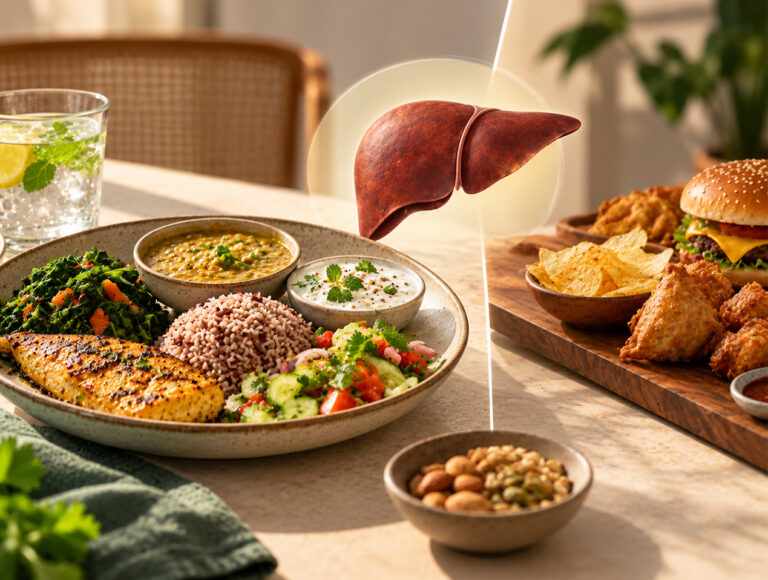

Working nights messes with everything. Your sleep, your mood, your appetite, and yeah—your waistline too. If you’ve ever finished a graveyard shift feeling puffy, exhausted, and somehow still hungry at 8 am, you’re not alone. The truth is, your body wasn’t really built to digest a full meal at 3 am. But since quitting your job isn’t exactly an option, the next best thing is building a diet plan for night shift life that actually works with your schedule, not against it.
- Why Your Body Struggles With Night Eating
- The Best Diet Plan for Night Shift Workers
- What Should You Eat Before a Night Shift?
- Snacks That Actually Keep You Going
- Caffeine: Your Frenemy
- Hydration Matters More Than You Think
- Foods to Avoid on Night Shift
- How to Lose Weight While Working Night Shift
- Frequently Asked Questions
Why Your Body Struggles With Night Eating
Here’s the deal. Your metabolism slows down at night. Digestion gets sluggish. Insulin doesn’t work as well. That’s why eating a big heavy meal at 2 am often leaves you bloated and foggy instead of energized.
According to Human Performance Resources by CHAMP, “digestion and metabolism aren’t as efficient at night. Eating less at night can improve alertness and productivity as well as prevent negative health issues.” Translation? Smaller, smarter meals win.
Long-term, shift work has been linked to higher rates of obesity, type 2 diabetes, and heart disease, as noted by the British Nutrition Foundation. Not to scare you—just to explain why what you eat actually matters more when you work nights.
The Best Diet Plan for Night Shift Workers
Think of your “day” as starting when you wake up, not at sunrise. Anchor three real meals around that clock and add light snacks during your shift. Here’s a simple template for a 7 pm–7 am shift:
Sample Indian Vegetarian Meal Schedule
- 5 pm (Dinner, pre-shift): Your main balanced meal—dal with roti and sabzi, paneer tikka with brown rice and cucumber raita, or rajma chawal with a side salad.
- 10–11 pm (Light snack): Curd with seasonal fruit, or a handful of roasted makhana.
- 1–2 am (Small meal): A multigrain roti wrap with hummus and veggies, or a small bowl of vegetable upma. Keep it light.
- 4–5 am (Mini snack): A handful of almonds and walnuts, or paneer cubes with cherry tomatoes.
- 7:30 am (Breakfast, post-shift): Something small and comforting—a banana smoothie with oats or moong dal chilla—finished at least an hour before bed.
What Should You Eat Before a Night Shift?
Eat a proper meal roughly 1–2 hours before clocking in. You want protein for satiety, complex carbs for steady energy, and healthy fats to keep you full. Huel recommends finishing eating at least one hour before you plan to sleep too—so the same logic applies to shifts.
Best Pre-Shift Indian Vegetarian Options
- Dal tadka with brown rice and mixed vegetable sabzi
- Paneer bhurji with multigrain roti and salad
- Chole with whole wheat roti and cucumber raita
- Vegetable khichdi with dahi
Skip the fried pakoras and sugary stuff. It’ll crash you by hour four. Guaranteed.
Snacks That Actually Keep You Going
Your snack pack is your best friend. Prep it before you leave home so you’re not raiding vending machines at 3 am.
Healthy Indian Vegetarian Snack Ideas
- Roasted chana or mixed nuts trail mix
- Curd with honey and flaxseeds
- Apple slices with peanut butter
- Sprouted moong salad
- Whole-grain crackers with paneer spread
- Cut veggies (carrot, cucumber, bell peppers) with hummus
- Roasted makhana (fox nuts)
The BMJ expert panel puts it well: “Avoid eating between midnight and 6 am, if possible, and if you do need to eat during the night, go for low calorie, protein rich snacks—don’t graze your way through the night.”
Caffeine: Your Frenemy
Coffee or chai helps. Too much ruins your sleep. Here’s the sweet spot: about 200 mg of caffeine (roughly two cups) 30–60 minutes before your shift, per HPRC guidelines. Cap it at around 400 mg total per day.
And stop drinking caffeine at least 4–6 hours before bed. This is where most people mess up. That “one more chai” at 5 am? It’s still buzzing in your system when you try to sleep at 8.
Hydration Matters More Than You Think
Aim for around 2 litres of water over 24 hours, as suggested by the Police Federation shift work guide. Sip through the night. Skip sugary energy drinks—they spike you up and drop you hard. Herbal teas like chamomile or green tea work well too.
Foods to Avoid on Night Shift
- Deep-fried samosas, pakoras, and vada pav
- Heavy, creamy paneer butter masala at 2 am
- Sugary sodas and energy drinks
- Spicy curries if you get reflux
- Big sweets and desserts right before your morning sleep
How to Lose Weight While Working Night Shift
Real talk: weight gain isn’t inevitable. Total calories still matter. Focus on protein at every meal, keep whole foods to about 80% of your intake as Effective Fitness suggests, and don’t let fatigue drive your food choices. Meal prep on your days off. Freeze portions. Your future 3 am self will thank you.
Many organizations are now recognizing this challenge and implementing corporate nutrition programs to support their night shift employees with proper meal planning and nutritional guidance. These corporate nutrition programs help workers maintain health despite unconventional schedules.
Final Thoughts
Building a diet plan for night shift work isn’t about perfection—it’s about a rhythm your body can actually handle. Eat your biggest meal before the shift. Snack smart during. Go light before bed. Manage caffeine like it’s medicine, not a personality trait. Hydrate. Prep ahead.
The workers who thrive on nights aren’t the ones with iron willpower. They’re the ones who planned. If you’d like a diet plan for night shift tailored to your body, health goals, and schedule, working with a qualified nutritionist can save you months of trial and error. That’s exactly the kind of personalized guidance Anupama specializes in—because generic advice only takes you so far when your life runs on a different clock.
Frequently Asked Questions
What is the best meal timing for night shift workers?
Eat your main meal 1-2 hours before your shift starts, have small snacks every 3-4 hours during work, and finish with a light breakfast at least an hour before sleeping. This helps maintain energy without disrupting sleep.
Can I lose weight while working night shifts?
Yes, absolutely. Focus on portion control, choose whole foods, include protein in every meal, stay hydrated, and meal prep in advance. Weight management is possible with the right diet plan for night shift schedules.
What vegetarian foods give sustained energy during night shifts?
Dal, paneer, curd, whole grains like brown rice and multigrain roti, nuts, seeds, and vegetables provide sustained energy. These complex carbs and proteins digest slowly and keep you full longer.
How much water should night shift workers drink?
Aim for about 2 litres of water spread throughout your 24-hour day. Sip consistently during your shift rather than drinking large amounts at once. Herbal teas also count toward hydration.
Should I eat a heavy meal during my night shift?
No. Keep meals during your shift light and easily digestible. Your main substantial meal should be eaten before your shift begins. Heavy meals at night can cause bloating, sluggishness, and digestive issues.
Not sure where to start?
Take the 7 day Nutri Trial and see what a plan built around your own kitchen actually feels like.
Start your trial