
- What energy density means for your plate
- The weight loss equation: volume over calories
- Energy diets focus on fuel quality, not just quantity
- Where protein becomes critical
- The pitfalls most people stumble into
- Can you do both simultaneously?
- What your actual plate should look like
- Frequently Asked Questions
Here’s something most people don’t realize: the diet that helps you drop pounds isn’t necessarily the same one that keeps you feeling alert and energized all day. Weird, right? But it’s true. Your body’s needs for weight loss versus sustained energy actually call for different nutritional strategies. And mixing them up? That’s where a lot of folks get frustrated—either losing weight but feeling exhausted, or eating “healthy” but not seeing the scale budge. Let’s break down what actually separates these two approaches and how you can pick the right one for your goals.
What energy density means for your plate
Energy density is basically the number of calories packed into each gram of food. Low energy density foods—we’re talking anything below 1.5 calories per gram—give you more volume for fewer calories. Think about it: you can eat a huge bowl of watermelon or a tiny handful of nuts for the same caloric intake.
According to Houston Weight Loss Clinic, eating foods with low energy density has proven useful for both losing and maintaining weight. The trick? These foods fill you up without piling on calories.
Mayo Clinic breaks down some real-world examples: half a grapefruit contains just 64 calories because it’s 90% water. A medium carrot? Only 25 calories at 88% water content. You’re basically eating bulk without the caloric consequence.
The weight loss equation: volume over calories
Weight loss diets prioritize one thing above all else—creating a calorie deficit. Your body needs to burn more than it takes in. Pretty straightforward.
But here’s where it gets interesting. Research from the National Institutes of Health found that reducing dietary energy density by just 0.1 kcal/g leads to eating 120 fewer calories per day without even trying. In a year-long trial, people eating low energy density foods lost 17.4 pounds compared to 14.1 pounds in the control group—and they ate 25% more food by weight.
That’s the magic of volume eating. Fruits, vegetables, broth-based soups, fiber-rich foods. They physically fill your stomach, trigger satiety signals, and keep hunger at bay. You’re not white-knuckling through cravings because you actually feel full.
The preload strategy
One proven trick? Starting meals with low energy density foods. Studies show that eating a salad or soup before your main course reduces your overall calorie intake while maintaining fullness. Your stomach registers the volume, and you naturally eat less of the calorie-dense stuff that follows.
Energy diets focus on fuel quality, not just quantity
Now flip the script. A healthy diet for energy isn’t obsessed with calorie deficit—it’s about providing steady, sustained fuel throughout your day.
Complex carbohydrates become your best friend here. Unlike the simple carbs that spike and crash your blood sugar, complex carbs from whole grains, legumes, and vegetables release energy gradually. Hospital for Special Surgery emphasizes that eating breakfast with complex carbs, protein, healthy fats, and water sets you up for sustained energy.
Protein plays a different role here too. It’s not primarily about preserving muscle during a deficit—it’s about preventing those mid-afternoon energy crashes. Same with healthy fats from sources like avocados, nuts, and olive oil. They slow digestion and provide long-burning fuel.
Where protein becomes critical
Thing is, protein matters for both goals but in different ways.
For weight loss, research published in PMC shows that high-protein diets (25-35% of total energy) yield significant benefits for fat mass loss while preserving your resting energy expenditure (REE). That’s huge. Most diet-only plans cause you to lose fat-free mass—basically muscle—and your metabolism slows down. In one 12-week study, men lost 8kg and women lost 6kg while maintaining their metabolic rate through adequate protein.
For energy, protein provides amino acids for neurotransmitter production and keeps you from getting hungry between meals. But you’re not necessarily pushing for that higher 25-35% range unless you’re also trying to preserve muscle mass.
The pitfalls most people stumble into
Let’s talk about where this gets messy.
First mistake? Assuming nutrient-dense automatically equals weight-loss friendly. Nope. Avocados, nuts, and whole grains are incredibly nutritious but also calorie-dense. Great for energy, potentially problematic if you’re trying to create a deficit and not tracking portions.
Second? Going too extreme on weight loss. Summit Health warns that cutting carbs drastically—especially from vegetables—can strain your kidneys and tank your metabolism. You might lose weight initially, but you’ll feel exhausted and potentially damage your metabolic health.
Third pitfall: diet without exercise. The same PMC research notes that diet-only approaches cause loss of fat-free mass and reduced REE. Adding 60 minutes of moderate activity daily (per Institute of Medicine recommendations) preserves muscle and keeps your metabolism humming.
Can you do both simultaneously?
Actually, yes. But it requires strategy.
Start with the foundation of low energy density foods—the fruits, vegetables, and fiber that provide volume and nutrients. Add adequate protein (shooting for that 25-35% range if you’re in a deficit). Include complex carbs for sustained energy, but be mindful of portions. Don’t fear healthy fats, but recognize they’re calorie-dense.
Honestly, the sweet spot is creating a modest calorie deficit (500-700 calories per day based on research outcomes) while prioritizing nutrient quality. You’ll lose weight at a sustainable pace—roughly 1-2 pounds per week—without sacrificing energy levels.
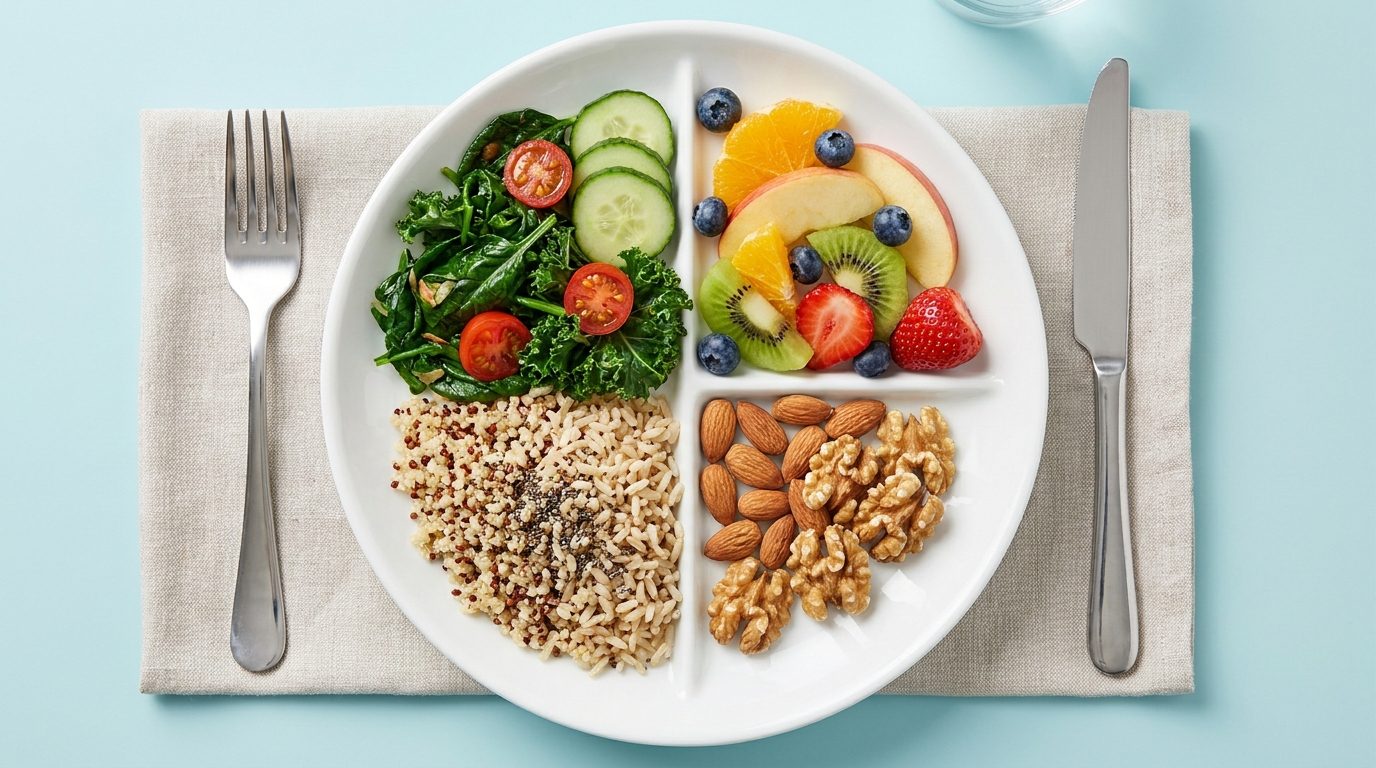
What your actual plate should look like
For weight loss emphasis: Fill half your plate with non-starchy vegetables and fruits. A quarter with lean protein. The remaining quarter with whole grains or starchy vegetables. Start meals with that low-calorie salad or broth-based soup.
For energy emphasis: Similar plate, but you’re less strict about portions of complex carbs and healthy fats. You might include more calorie-dense options like quinoa, sweet potatoes, avocado, and nuts because you’re not in deficit mode. Breakfast becomes non-negotiable—skipping it tanks energy levels.
The overlap? Both approaches benefit from hydration, both need adequate protein, and both work better with regular physical activity.
The real difference comes down to goals
Bottom line: a healthy diet for weight loss manipulates energy density and total calories to create a deficit while keeping you full. A healthy diet for energy prioritizes nutrient quality and steady fuel release without necessarily restricting calories.
You can pursue weight loss and maintain good energy—it just takes more planning and a less aggressive deficit. What doesn’t work? Extreme restriction that leaves you exhausted, or eating freely without awareness of energy density when weight loss is your goal.
Pay attention to how your body responds. Losing weight but dragging through your day? Add more complex carbs and ensure adequate calories. Eating “healthy” but not losing? Check your energy density and total intake. Your body will tell you what it needs if you’re listening.
Frequently Asked Questions
Can I lose weight and maintain high energy at the same time?
Yes, absolutely. The key is creating a modest calorie deficit (500-700 calories daily) while prioritizing nutrient-dense foods, adequate protein (25-35% of calories), and complex carbohydrates. Avoid extreme restriction, which tanks energy levels and can damage your metabolism.
What’s the difference between energy density and calorie density?
They’re essentially the same concept—both refer to the number of calories per gram of food. Low energy density foods (below 1.5 calories per gram) include fruits, vegetables, and broth-based soups, while high energy density foods include nuts, oils, and processed snacks.
Why do I feel tired when I’m eating healthy for weight loss?
You’re likely cutting calories too aggressively or eliminating too many complex carbohydrates. Your brain and body need adequate fuel, especially from carbs. Try adding more whole grains, legumes, and starchy vegetables while maintaining your calorie deficit.
Should I eat the same breakfast for weight loss and energy?
Not necessarily. For energy, prioritize a substantial breakfast with complex carbs, protein, healthy fats, and hydration. For weight loss, you can eat a lighter breakfast or even skip it if intermittent fasting works for you, though many people find breakfast helps control hunger throughout the day.
How much protein do I really need for a healthy diet?
For weight loss while preserving muscle, aim for 25-35% of your total calories from protein. For general energy and health without weight loss goals, 15-20% is typically sufficient. Individual needs vary based on activity level, age, and body composition goals.
Not sure where to start?
Take the 7 day Nutri Trial and see what a plan built around your own kitchen actually feels like.
Start your trial