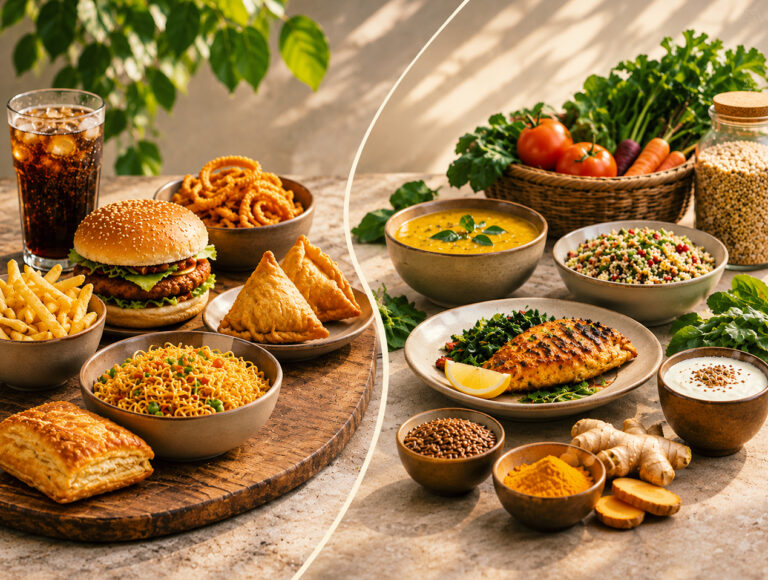

Ask ten people what the Mediterranean diet is, and you’ll get ten different answers. Some will tell you it’s about olive oil. Others swear it’s the red wine. A few will insist you need to live in Greece to pull it off. Honestly? They’re all a little bit wrong.
The Mediterranean diet isn’t a diet in the strict sense. It’s a way of eating that people in countries bordering the Mediterranean Sea have followed for generations, and it happens to be one of the most studied, most recommended eating patterns in the world. No calorie counting. No forbidden food list a mile long. Just real food, prepared simply, eaten with people you like.
In this guide, you’ll learn exactly what foods belong on your plate, which ones to ease up on, what the research actually says about the health benefits, and how to start without overhauling your entire kitchen in one weekend. Let’s get into it.
What Is the Mediterranean Diet, Really?
Think of it less as a meal plan and more as a framework. The Mediterranean diet centers on plants: vegetables, fruits, whole grains, legumes, nuts, and seeds. Olive oil is the main cooking fat. Fish and seafood show up several times a week. Poultry, eggs, yogurt, and cheese appear in moderate amounts. Red meat? It’s an occasional guest, not a daily resident.
According to Harvard Health Publishing, the traditional pattern is abundant in plant foods, uses olive oil as the principal fat, includes fish and poultry a few times weekly, and treats red meat and sweets as infrequent choices. That’s the whole blueprint.
Here’s what makes it different from most trendy diets: it’s a pattern, not a prescription. You’re not banned from bread. Pasta isn’t the enemy. You can eat rice. The question is which versions, how often, and what else is on the plate.
The Foods You’ll Actually Be Eating
Let’s get specific. When people ask me what to put in their cart, I tell them to think in three buckets: eat often, eat moderately, eat occasionally.
Foods to Eat Often (Daily)
- Vegetables — leafy greens, tomatoes, peppers, onions, eggplant, zucchini, carrots
- Fruits — berries, apples, oranges, grapes, figs, melons
- Whole grains — oats, barley, brown rice, whole-wheat bread, bulgur, farro
- Legumes — lentils, chickpeas, black beans, kidney beans
- Nuts and seeds — almonds, walnuts, pistachios, flax, sesame
- Extra-virgin olive oil as your primary cooking fat
- Herbs and spices — basil, oregano, parsley, garlic, cumin
Foods to Eat Moderately (Weekly)
- Fish and seafood — aim for two or more servings per week
- Poultry — chicken, turkey
- Eggs
- Dairy — Greek yogurt, cottage cheese, feta, parmesan (small amounts)
Foods to Limit
- Red meat — think a few times a month, not a few times a week
- Processed meats like bacon, sausages, and deli slices
- Sugary drinks, pastries, and ultra-processed snacks
- Refined grains — white bread, white rice, standard pasta made from refined flour
- Butter and heavily processed oils (olive oil does the heavy lifting here)
Mayo Clinic recommends daily vegetables, fruits, whole grains, and olive oil, with fish, legumes, poultry, nuts, and eggs showing up several times a week. That rhythm matters more than any single food.
Why This Way of Eating Works
Real talk: no eating pattern has been studied more than this one. And the evidence keeps piling up.
A 2025 national guideline publication summarized in Nutrition Reviews included 84 evidence-based recommendations and reported reductions in all-cause mortality and cardiovascular events, especially among people at higher risk. The 2025 Dietary Guidelines Advisory Committee scientific report also found evidence linking Mediterranean-style eating to lower risk of heart attacks, stroke, and cardiovascular mortality.
Beyond the heart, research points to possible benefits for:
- Type 2 diabetes prevention and better blood sugar management
- Reduced inflammation markers
- Improved cholesterol profiles
- Lower risk of cognitive decline
- Better weight management over time
One thing worth being honest about: these benefits come from the whole pattern, not one magical ingredient. Drowning your salad in olive oil won’t save you if the rest of your day is doughnuts and soda. The combined effect is where the magic happens.
Can You Lose Weight on It?
Short answer: yes, many people do. Longer answer: it depends.
The Mediterranean diet isn’t automatically low in calories. Olive oil, nuts, cheese, and whole grains are nutrient-dense but calorie-dense too. If weight loss is your goal, portions still matter. What tends to help: the fiber from legumes and vegetables keeps you full, the protein from fish and beans stabilizes appetite, and the overall food quality nudges you away from the ultra-processed stuff that quietly packs on weight.
You’re not starving yourself. You’re just eating food that your body actually knows what to do with.
What About Bread, Rice, Pasta, and Potatoes?
This is the question I get more than any other. People hear “diet” and assume carbs are canceled. They’re not.
Whole-grain bread, brown rice, whole-wheat pasta, farro, barley, and even potatoes (especially with the skin) all fit comfortably. The shift is from refined to whole. White bread becomes sourdough or whole-grain. White rice becomes brown or wild. Regular pasta becomes whole-wheat or legume-based.
Portion-wise, carbs share the plate with vegetables and protein. They’re not the entire show.
Is Red Wine Required?
No. Full stop.
You’ll see wine mentioned in a lot of Mediterranean diet articles, usually with some romantic image of someone sipping red by the sea. Here’s the honest version: alcohol carries real health risks, and no major health organization recommends starting to drink for health benefits. If you already enjoy a glass with dinner occasionally, that’s a personal choice. If you don’t drink, don’t start. The diet works beautifully without it.
How to Start Without Overwhelming Yourself
The biggest mistake I see? People trying to flip their entire kitchen overnight. They toss everything, buy fifty new ingredients, cook three elaborate recipes, burn out by Friday, and quit by Sunday. Sound familiar?
There’s a better way. UC Davis Health and Harvard both recommend gradual swaps. One change a week. That’s it.
Try this progression:
- Week 1: Swap butter for olive oil when cooking
- Week 2: Add a serving of vegetables to lunch and dinner
- Week 3: Replace one red-meat meal with fish or legumes
- Week 4: Switch refined grains for whole grains in one or two meals
- Week 5: Keep fruit, nuts, or yogurt on hand for snacks instead of chips or cookies
- Week 6: Build one plant-only dinner into your week (lentil soup, chickpea curry, bean stew)
By week six, you’re eating a Mediterranean-style pattern without having followed a single meal plan. Pretty cool, right?
A Sample Day on the Plate
Breakfast: Greek yogurt with berries, a handful of walnuts, and a drizzle of honey. Or whole-grain toast with mashed avocado and a boiled egg.
Lunch: A big bowl of chickpea salad with cucumber, tomato, red onion, feta, olives, lemon, and olive oil. Side of whole-grain pita.
Snack: Apple with almond butter, or a small handful of pistachios.
Dinner: Grilled salmon with roasted vegetables and a side of farro or brown rice. Simple green salad.
Dessert (if you want): Fresh fruit, or a square of dark chocolate.
Nothing fancy. Nothing complicated. Nothing that takes a Michelin star to pull off.
Mediterranean Diet Breakfast Ideas to Start Your Day Right
Starting your morning with the right foods sets the tone for the entire day. Mediterranean diet breakfast ideas focus on whole grains, fresh fruit, protein-rich dairy, nuts, and healthy fats that keep you satisfied until lunch without the mid-morning crash.
Here are some practical Mediterranean diet breakfast ideas you can rotate throughout the week:
- Greek Yogurt Bowl: Plain Greek yogurt topped with fresh berries, chopped walnuts, a drizzle of honey, and a sprinkle of cinnamon
- Veggie Omelet: Eggs cooked in olive oil with spinach, tomatoes, onions, and a bit of feta cheese, served with whole-grain toast
- Overnight Oats: Rolled oats soaked overnight with almond milk, topped with sliced almonds, banana, and a few dark chocolate chips
- Avocado Toast: Whole-grain sourdough with mashed avocado, cherry tomatoes, a poached egg, and a sprinkle of za’atar or red pepper flakes
- Fruit and Nut Plate: Fresh figs or melon with a handful of mixed nuts and a small piece of aged cheese
- Shakshuka: Eggs poached in a spiced tomato sauce with peppers and onions, scooped up with whole-grain pita
- Smoothie Bowl: Blended berries, spinach, banana, and Greek yogurt topped with granola, chia seeds, and fresh fruit
The key with Mediterranean diet breakfast ideas is variety and balance. You’re combining protein, healthy fats, and fiber-rich carbs in a way that fuels you properly without relying on sugary cereals or pastries. These meals are quick to prepare, satisfying, and genuinely delicious.
Doing It on a Budget
People assume this diet is expensive. It doesn’t have to be. Some of the cheapest foods on earth are foundational here.
- Dried or canned beans and lentils — a few dollars feeds you for days
- Frozen vegetables and fruit — just as nutritious as fresh, often cheaper
- Canned sardines, mackerel, or tuna — budget-friendly fish with serious omega-3s
- Oats, brown rice, and whole-wheat pasta — pantry staples at pennies per serving
- Seasonal produce — buy what’s in season, it costs less and tastes better
- Eggs — affordable, versatile, nutrient-dense
Fresh fish and extra-virgin olive oil cost more, sure. But the beans-and-vegetables backbone of the pattern is genuinely cheap.
Adapting It to Your Own Kitchen
You don’t have to eat Greek salads every day. The principles travel.
If you cook Indian food, the pattern fits beautifully — dal, sabzi, whole-grain rotis, yogurt, vegetables, legumes, and spices are already in your kitchen. South Asian, East Asian, Latin American, Middle Eastern, and African cuisines all have plant-forward traditions that align with Mediterranean principles. The underlying idea is universal: eat mostly plants, choose good fats, go light on red meat, and keep ultra-processed foods to a minimum.
At Anupama, we encourage people to treat this as a framework they can shape around their own culture, taste, and routine — not a rigid import from someone else’s grocery store.
Common Mistakes to Avoid
- Treating olive oil like it has no calories — it does, so measure if you’re watching weight
- Buying packaged foods labeled “Mediterranean” that are loaded with sodium or added sugar
- Cutting out all carbs — the diet includes them, just the right kinds
- Ignoring portion sizes on nuts and cheese
- Thinking you need wine to “do it right”
- Making too many changes at once and burning out
Conclusion
The Mediterranean diet works because it’s simple, flexible, and built on real food. You eat mostly plants. You use olive oil. You enjoy fish, legumes, and whole grains. You treat red meat and sweets as occasional, not constant. And you give yourself permission to enjoy meals instead of white-knuckling your way through them.
Start with one swap this week. Add another next week. In a month or two, you’ll look at your plate and realize you’ve built something genuinely sustainable — the kind of eating pattern you can actually keep up for years, not weeks.
If you want personalized guidance that fits your health goals, cultural preferences, and lifestyle, that’s where working with a qualified nutrition professional makes all the difference. Food should fuel you, feel good, and fit your life. The Mediterranean diet, done right, checks all three boxes.
Now go put some olive oil on something.
Frequently Asked Questions
Is the Mediterranean diet good for weight loss?
Yes, many people lose weight on it due to high fiber content and whole foods that promote satiety. However, portions still matter since olive oil, nuts, and cheese are calorie-dense.
Can I eat pasta and bread on the Mediterranean diet?
Absolutely. Choose whole-grain versions like whole-wheat pasta and whole-grain bread, and balance them with plenty of vegetables and protein on your plate.
How much olive oil should I use daily?
Most research suggests 2-4 tablespoons per day for cooking and drizzling. Remember it contains about 120 calories per tablespoon, so measure if watching your weight.
Do I have to eat fish if I don’t like it?
No. Get omega-3s from walnuts, flaxseeds, chia seeds, or algae supplements instead. Focus on legumes, eggs, and poultry for protein.
Is the Mediterranean diet expensive to follow?
Not necessarily. The foundation—beans, lentils, seasonal vegetables, whole grains, and eggs—is affordable. Use frozen produce, shop seasonally, and buy canned fish to save money.
Can vegetarians or vegans follow the Mediterranean diet?
Yes, easily. The diet is already plant-forward. Vegetarians skip fish and poultry; vegans eliminate dairy and eggs while ensuring adequate B12 supplementation.
How quickly will I see health benefits?
Energy and digestion may improve within weeks. Measurable changes in cholesterol, blood pressure, and blood sugar typically appear within 3-6 months of consistent adherence.
Is wine necessary for the Mediterranean diet?
No. Wine is optional and not required for health benefits. No health organization recommends starting alcohol consumption for health reasons.
Not sure where to start?
Take the 7 day Nutri Trial and see what a plan built around your own kitchen actually feels like.
Start your trial