
- Why your gut is running the show
- The fiber factor nobody talks about enough
- Protein plus probiotics: the power combo
- What personalized diet plans actually mean
- Energy that lasts beyond the morning coffee
- The foods you need to limit (sorry)
- Making it sustainable (the part most diets screw up)
- Frequently Asked Questions
You’re tired. Your digestion’s acting weird. And those extra pounds? They’re not budging no matter what you try. Sound familiar? Here’s what most people don’t realize: these three issues—weight, gut health, and energy—are way more connected than you think. They’re basically a package deal. So can one eating plan actually fix all three at once?
Short answer: Yes. But it’s not about jumping on some trendy diet. It’s about understanding how your gut literally controls your metabolism and energy levels. When you feed your body the right stuff, everything starts working better. Let’s break down how personalized diet plans can tackle all three goals without making you feel like you’re starving or eating cardboard.
Why your gut is running the show
Here’s the thing about your gut—it’s not just where food goes to get digested. It’s more like mission control for your entire body. Your gut is a whole ecosystem on its own, packed with trillions of bacteria that influence everything from how you store fat to whether you feel energized or sluggish.
When your gut microbiome is balanced, you feel lighter and more energized. But when it’s out of whack? That’s when the bloating starts. The weird cravings kick in. Your energy crashes around 2 PM. And your body holds onto weight like it’s preparing for hibernation.
The cool part? You can actually reset this system through food. Not supplements or expensive cleanses. Just real, nutrient-dense meals that feed the good bacteria and starve the bad ones.
The fiber factor nobody talks about enough
Want to know the secret weapon in personalized diet plans that work? Fiber. Specifically, at least 30 grams of fiber daily.
Most people get maybe 15 grams on a good day. That’s not even close.
Fiber does three critical things:
- Feeds your beneficial gut bacteria, which helps them produce compounds that regulate your metabolism
- Keeps you full longer, so you’re not raiding the snack drawer every hour
- Stabilizes blood sugar, which means steady energy instead of those brutal crashes
Think quinoa bowls with roasted veggies. Bean and barley soups. Oatmeal topped with berries and flaxseed. These aren’t just “healthy” foods—they’re working for you on multiple levels.
Protein plus probiotics: the power combo
Okay, so you’re getting your fiber. What else?
You need protein that supports your gut lining. Salmon is huge here because of the omega-3 fatty acids—they literally help repair and maintain your gut lining. Same goes for mackerel and other fatty fish.
And probiotics? Non-negotiable. Greek yogurt with live cultures, sauerkraut on your turkey wrap, kimchi with your tofu stir-fry. These fermented foods introduce beneficial bacteria that crowd out the problematic ones. It’s like restocking your gut with the A-team.
One registered dietitian-designed plan includes Greek yogurt parfaits for breakfast and salmon salads for lunch—not because they’re trendy, but because they deliver probiotics, omega-3s, and protein all at once.
Sample day that hits all three goals
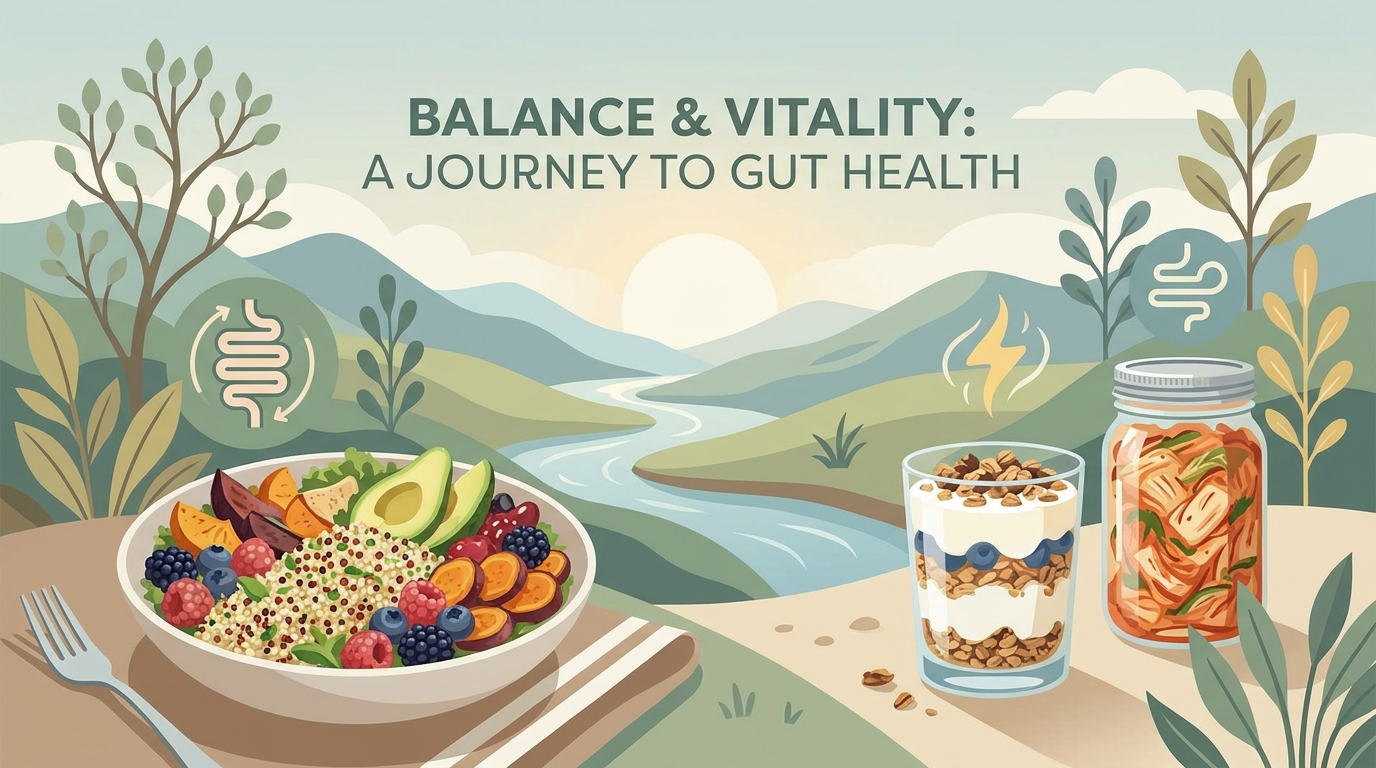
Breakfast: Greek yogurt topped with berries, ground flaxseed, and a handful of granola. You’re getting probiotics, fiber, and antioxidants right out of the gate.
Lunch: Turkey wrap with sauerkraut, avocado, and mixed greens. Protein? Check. Probiotics? Check. Healthy fats for sustained energy? Absolutely.
Dinner: Grilled salmon with roasted Brussels sprouts and quinoa. Omega-3s for gut health, fiber from the veggies and quinoa, plus quality protein to keep you satisfied.
This isn’t rocket science. It’s just strategic eating.
What personalized diet plans actually mean
Let’s be real—”personalized” gets thrown around a lot. But here’s what it should actually mean: adjusting portions and food choices based on your body’s specific needs, not following some cookie-cutter meal plan that worked for someone else.
Maybe you’re more active and need bigger portions. Maybe you have food sensitivities that require swaps. The Mayo Clinic’s approach focuses on habit changes over calorie counting, which is way more sustainable. They’ve seen people lose 6 to 10 pounds in two weeks just by emphasizing low-calorie, filling foods and adding 30 minutes of daily activity.
The best personalized diet plans don’t make you feel restricted. They work with your preferences while strategically including foods that support all three goals.
Energy that lasts beyond the morning coffee
Coffee’s great. But relying on caffeine to power through your day? That’s a band-aid, not a solution.
Real, steady energy comes from regular meals with the right balance of nutrients. Eating consistently throughout the day keeps your blood sugar stable. Skipping meals or going too long between them triggers crashes that make you reach for sugar and processed snacks.
Power foods for sustained energy include:
- Oats and whole grains for slow-releasing carbs
- Nuts and seeds for healthy fats
- Leafy greens packed with iron and B vitamins
- Lean proteins that provide lasting fuel
Plus, hydration matters more than most people think. Even mild dehydration tanks your energy and focus.
The foods you need to limit (sorry)
Nobody wants to hear this part, but it matters. Diets high in processed ingredients, sugar, fat, and sodium actively work against weight loss, gut health, and energy. They feed the wrong bacteria in your gut and mess with your metabolism.
That doesn’t mean you can never have pizza again. It just means being strategic about how often and balancing it with gut-supporting foods.
Making it sustainable (the part most diets screw up)
Here’s where most diet plans fail: they’re miserable to follow. You can white-knuckle your way through two weeks, maybe a month. Then you crack and end up right back where you started.
A well-structured gut health diet plan should feel sustainable. That means foods you actually enjoy eating. Flexibility for real life. And results that motivate you to keep going—like better digestion, consistent energy, and yes, losing weight without feeling starved.
Listen to your body during the process. If something makes you feel bloated or sluggish, adjust. Personalization isn’t just about the initial plan—it’s about fine-tuning as you go.
The real timeline for seeing results
Weight loss, gut improvements, and energy boosts don’t all happen on the same schedule.
Energy usually improves first—sometimes within a few days of eating more balanced meals. Your gut might take a week or two to settle as the good bacteria establish themselves. Weight loss? That’s the slowest, but most people notice changes within 2-3 weeks if they’re consistent.
The key word there: consistent. You can’t do this for four days, decide it’s not working, and bail.
Bottom line: it’s all connected
Can one diet plan address weight loss, gut health, and energy at once? Absolutely. Because these three things aren’t separate issues—they’re interconnected pieces of how your body functions.
Focus on fiber-rich whole foods, probiotic sources, quality proteins with omega-3s, and regular balanced meals. Cut back on the processed stuff that’s sabotaging your gut. Stay consistent for at least a few weeks.
The beauty of personalized diet plans is they meet you where you are while strategically including what your body needs to function optimally. You’re not just losing weight—you’re fixing the underlying systems that control your metabolism and energy. That’s the difference between another failed diet and actually feeling better long-term.
Frequently Asked Questions
Can one diet really improve weight loss, gut health, and energy simultaneously?
Yes, because these three aspects are interconnected. Your gut microbiome directly influences metabolism and energy levels. When you eat fiber-rich foods, probiotics, and quality proteins, you’re addressing all three goals at once by supporting beneficial gut bacteria that regulate weight and energy.
How much fiber do I need daily for optimal gut health?
Aim for at least 30 grams of fiber daily. Most people only get about 15 grams, which isn’t enough to properly feed beneficial gut bacteria or maintain stable blood sugar levels for consistent energy.
What are the best probiotic foods to include in personalized diet plans?
Greek yogurt with live cultures, sauerkraut, kimchi, kefir, and other fermented foods are excellent probiotic sources. These introduce beneficial bacteria that improve gut balance, which supports both weight management and energy levels.
How long does it take to see results from a gut-focused diet plan?
Energy improvements often appear within a few days. Gut health typically improves within 1-2 weeks as beneficial bacteria establish themselves. Weight loss is usually noticeable after 2-3 weeks of consistent eating habits.
Do I need to eliminate all processed foods for this approach to work?
Not entirely. The goal is to limit processed foods high in sugar, unhealthy fats, and sodium since they feed harmful gut bacteria. You can still enjoy occasional treats while prioritizing whole, nutrient-dense foods most of the time for sustainable results.
Not sure where to start?
Take the 7 day Nutri Trial and see what a plan built around your own kitchen actually feels like.
Start your trial