Discover the truth about fat burning, debunk common weight loss myths, and learn science-backed strategies for sustainable fat loss through nutrition, exercise, and healthy habits.


Ever wondered why you’re doing everything “right” and the fat still won’t budge? You’re cutting carbs. Sweating buckets. Sipping detox teas. Yet the scale mocks you. Here’s the truth nobody selling you a slimming tea wants to admit: most fat loss advice floating around is straight-up wrong. Some of it’s harmless. Some of it wastes your money. And some of it actively works against your goals.
Let’s clear the noise. This piece breaks down how fat burns in the body, which myths need to die already, and what actually works based on real science, not Instagram gurus. Whether you’ve been stuck on a plateau for months or you’re just tired of contradictory advice, you’ll walk away knowing exactly where to focus your energy.
Table of Contents
- How Fat Burns in the Body (The Real Science)
- Myth 1: You Can Spot-Reduce Belly Fat
- Myth 2: Sweating More Means Burning More Fat
- Myth 3: The “Fat Burning Zone” Is Where the Magic Happens
- Myth 4: Fat Burner Supplements Actually Work
- Myth 5: Carbs and Dietary Fat Are the Enemy
- Myth 6: Detoxes and Crash Diets Melt Fat Fast
- What Actually Works for Sustainable Weight Loss
- Frequently Asked Questions
How Fat Burns in the Body (The Real Science)
Here’s something wild: when you lose fat, it doesn’t “melt” or “sweat out.” Your fat cells shrink because the stored triglycerides get broken down and mostly exhaled as carbon dioxide. Yep, you literally breathe most of your fat away. The rest leaves as water.
Understanding how fat burns in the body starts with one concept: energy balance. When you consistently eat fewer calories than you burn, your body taps into stored fat for fuel. That’s it. No magic food, no special zone, no lemon water hack changes this math.
Myth 1: You Can Spot-Reduce Belly Fat
A thousand crunches a day won’t give you a flat stomach. I know, brutal.
Fat loss happens systemically, meaning your body decides where it pulls from based on genetics and hormones, not which muscle you’re working. As Synergy Health 360 puts it, “When you lose fat, it occurs all over your body, not in one specific area.” So keep doing core work for strength, but pair it with overall fat loss strategies if you want visible abs.
Myth 2: Sweating More Means Burning More Fat
Sweat is your body’s AC system. Nothing more.
You can burn serious fat in a chilly weight room and barely break a sweat. You can also sweat through a sauna session and lose zero fat, just water weight that returns the second you drink. Nutrition experts consistently point out that sweat measures temperature regulation, not fat oxidation.
Myth 3: The “Fat Burning Zone” Is Where the Magic Happens
You’ve seen it on treadmills. That little chart telling you to stay at 60% heart rate to “burn fat.” Technically, lower-intensity cardio does use a higher percentage of fat for fuel. But total calories burned matters way more than the percentage.
A New Scientist analysis on fat metabolism confirms that higher-intensity work usually burns more total calories and more total fat, even if the fuel ratio shifts. So don’t be scared of pushing harder.
Myth 4: Fat Burner Supplements Actually Work
Real talk? Save your money.
A meta-analysis of 21 studies found limited evidence that thermogenic fat-burning supplements reduce body mass or improve cardiometabolic health. After researchers filtered out 263 biased studies, only 16 of the remaining 56 showed any weight loss, with no consistent active ingredient across them.
Translation: the industry is mostly hype.
Myth 5: Carbs and Dietary Fat Are the Enemy
Eating fat doesn’t automatically make you fat. Eating carbs doesn’t automatically store as belly fluff. What matters is your total intake and food quality.
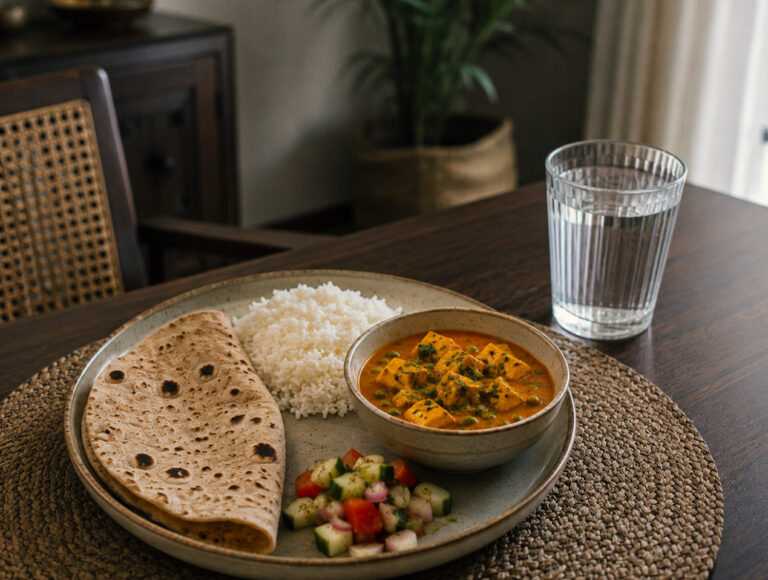
Indian vegetarian staples like moong dal, chana, rajma, and whole wheat rotis provide excellent protein and fiber. Healthy fats from groundnuts, almonds, walnuts, and cold-pressed oils support satiety and metabolic health. The problem isn’t the macronutrient. It’s overeating ultra-processed versions of it.
Myth 6: Detoxes and Crash Diets Melt Fat Fast
Quick weight loss on a juice cleanse? That’s water and glycogen, not fat. The moment you eat normally, it’s back. Crash diets also tank muscle mass, which lowers your resting metabolism and makes future fat loss harder.
What Actually Works for Sustainable Weight Loss
Now for the stuff that pays off. Here’s what evidence-based sustainable weight loss actually looks like:
Nutrition Strategies
- Maintain a moderate calorie deficit through whole foods like dal, paneer, tofu, seasonal vegetables, and millets
- Include protein-rich foods such as sprouts, besan chilla, Greek yogurt, and legumes at every meal
- Choose healthy fats from sources like ghee (in moderation), coconut, sesame seeds, and flaxseeds
Exercise Approach
- Strength train at least twice a week to preserve muscle and support metabolism
- Include cardio, mixing steady-state and HIIT based on what you enjoy and can stick with
- Hit weekly movement targets: around 150 minutes of moderate activity plus daily walking
Lifestyle Factors
- Prioritize sleep and stress, since cortisol and poor recovery quietly sabotage progress
- Stay consistent with your approach rather than jumping between extreme diets
A 2017 study noted that high-intensity aerobic exercise at 70–80% heart rate reserve had the biggest impact on weight loss in adults with obesity. Consistency beats intensity, but intensity beats laziness.
Realistic Timelines Nobody Talks About
Losing 0.5 to 1 kg per week is the sustainable sweet spot. Anything faster usually means you’re losing muscle and water, and you’ll gain it back. Fat loss is a season, not a weekend.
The Bottom Line
Fat loss isn’t complicated, but it is nuanced. Skip the gimmicks. Ignore anyone selling you a shortcut. Focus on protein-rich Indian vegetarian foods, resistance training, moderate cardio, whole grains, sleep, and time. That’s the formula.
If you’re tired of guessing and want a plan built around your body, lifestyle, and goals, that’s exactly what we do at Anupama. No fads, no fear-mongering, just personalized nutrition that respects the science and your sanity. Because you deserve results that actually last, not another disappointing detox.
Frequently Asked Questions
How does fat actually burn in the body?
Fat burns when your body breaks down stored triglycerides into carbon dioxide (which you exhale) and water. This happens when you maintain a calorie deficit, forcing your body to use stored fat for energy.
Can I lose belly fat by doing only ab exercises?
No. Spot reduction is a myth. Fat loss occurs throughout your entire body based on genetics and hormones, not which muscles you exercise. Core work strengthens muscles but won’t target belly fat specifically.
What Indian vegetarian foods are best for fat loss?
Focus on protein-rich options like moong dal, chana, rajma, paneer, tofu, sprouts, and Greek yogurt. Include fiber from vegetables, whole grains like millets and brown rice, and healthy fats from nuts, seeds, and cold-pressed oils.
How long does sustainable weight loss take?
Aim for 0.5 to 1 kg per week. Faster weight loss typically means losing muscle and water, which you’ll regain quickly. Sustainable weight loss requires patience and consistency over several months.
Do fat burner supplements actually work?
Research shows limited evidence that fat-burning supplements effectively reduce body mass. Most studies are biased, and the industry relies heavily on marketing hype rather than scientific proof.
Is sweating a sign that I’m burning fat?
No. Sweating only regulates body temperature. You can burn significant fat without sweating much, and you can sweat heavily without burning any fat at all.
Ready When You Are
We’re just a message away from getting started.