
- Why Iron at Breakfast Actually Matters
- The Iron Powerhouses Hiding in Your Indian Pantry
- Iron Rich Breakfast Recipes
- Stuff You’re Probably Doing Wrong
- How to Build a Weekly Rhythm
- Frequently Asked Questions
Tired by 11 AM? Feeling drained even after a full night’s sleep? Your breakfast might be the culprit. Low iron is sneaky, and honestly, most of us don’t realise how much our morning plate affects our energy, hair, skin, and mood. The good news? Indian kitchens are basically treasure chests of iron rich foods—we just need to use them smartly. In this guide, I’ll walk you through breakfast ideas that actually work, backed by numbers (not just vague “eat spinach” advice). You’ll learn which ingredients pack the biggest iron punch, how to pair them so your body actually absorbs the iron, and what to stop doing at breakfast (spoiler: that morning chai might be sabotaging you). Let’s fix your mornings.
Why Iron at Breakfast Actually Matters
Iron builds hemoglobin. Hemoglobin carries oxygen. Low iron = low oxygen = you feel like a phone stuck on 15% battery all day.
Starting your day with iron rich foods sets the tone. Your body’s absorption is often better in the morning, and pairing iron with a solid vitamin C source at breakfast can dramatically boost how much actually gets into your bloodstream. Skip breakfast or eat refined carbs, and you’re basically running your day on fumes.
How Iron-Rich Diet Works
An iron-rich diet functions by supplying your body with adequate iron to produce hemoglobin—the protein in red blood cells that transports oxygen from your lungs to every tissue. When you consistently eat iron rich foods, your body absorbs the mineral through your small intestine, where it either gets used immediately or stored in your liver, spleen, and bone marrow for future needs.
There are two types of dietary iron: heme iron (from animal sources, absorbed at 15-35%) and non-heme iron (from plant sources, absorbed at 2-20%). Most Indians rely on non-heme iron, which requires strategic pairing with vitamin C-rich foods to enhance absorption by up to 300%. Research published on PMC confirms this is crucial for vegetarian diets. The process works continuously—your body recycles iron from old red blood cells while absorbing new iron from your meals, maintaining a delicate balance that keeps your energy levels stable and your organs functioning optimally.
The Iron Powerhouses Hiding in Your Indian Pantry
Here’s what most articles won’t tell you—actual numbers. According to AskNestlé’s nutrition data, these everyday Indian ingredients are quiet iron heroes:
- Bajra: 8.0 mg iron per 100g
- Amaranth (rajgira): 7.61 mg per 100g
- Dried black raisins: 6.81 mg per 100g
- Whole wheat flour: 4.10 mg per 100g
- Spinach: 2.95 mg per 100g
- One boiled egg: 1.87 mg
Bajra and amaranth are, as AskNestlé puts it, the “iron powerhouses in the grain world.” Don’t sleep on them.
Iron Rich Breakfast Recipes
Poha with Spinach and Sprouted Matki
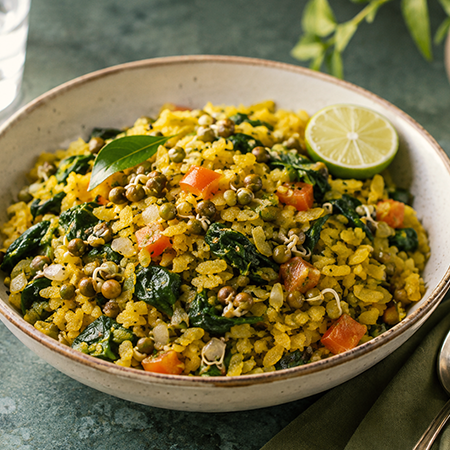
Classic poha gets a serious upgrade here. Sauté mustard seeds and onions, throw in chopped spinach and sprouted matki, add turmeric, tomatoes, and soaked poha. Finish with lemon juice—that’s your vitamin C boost right there.
Why it works: sprouting improves iron bioavailability, tomatoes and lemon push absorption higher, and spinach adds non-heme iron. Ready in 15 minutes. Perfect for busy mornings.
Bajra or Ragi Porridge with Jaggery and Dates
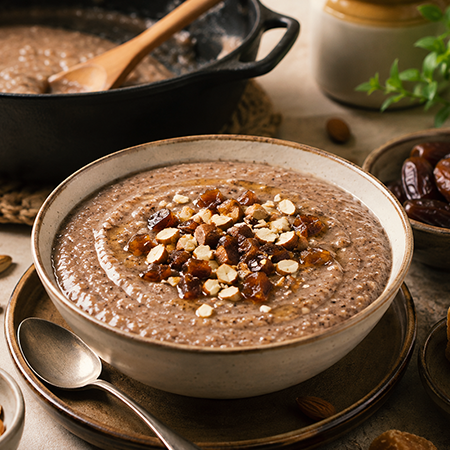
Cook bajra or ragi flour in milk (or water, if you’re avoiding calcium at this meal), stir in jaggery, chopped dates, and a handful of almonds. It’s warm, filling, and one bowl delivers more iron than most “healthy” breakfast cereals combined.
Pro tip: cook it in a cast iron pan. NDTV Food notes that cast iron cookware can genuinely increase iron content in your food, especially in slow-cooked, liquid-based dishes.
Besan Chilla Loaded with Spinach
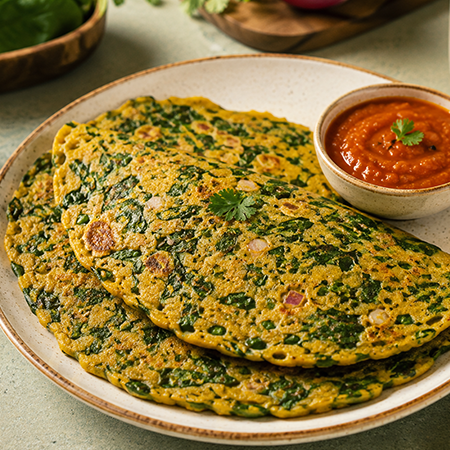
Whisk besan with chopped spinach, onions, green chilli, coriander, and a pinch of ajwain. Cook thin on a tawa. Serve with tomato chutney or a lemon-mint dip.
Besan brings the iron. Spinach adds more. The chutney handles vitamin C. Simple, protein-heavy, and kids actually eat it.
Spinach Omelette for Non-Vegetarians
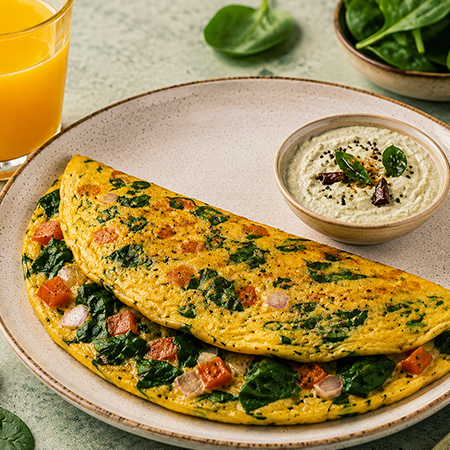
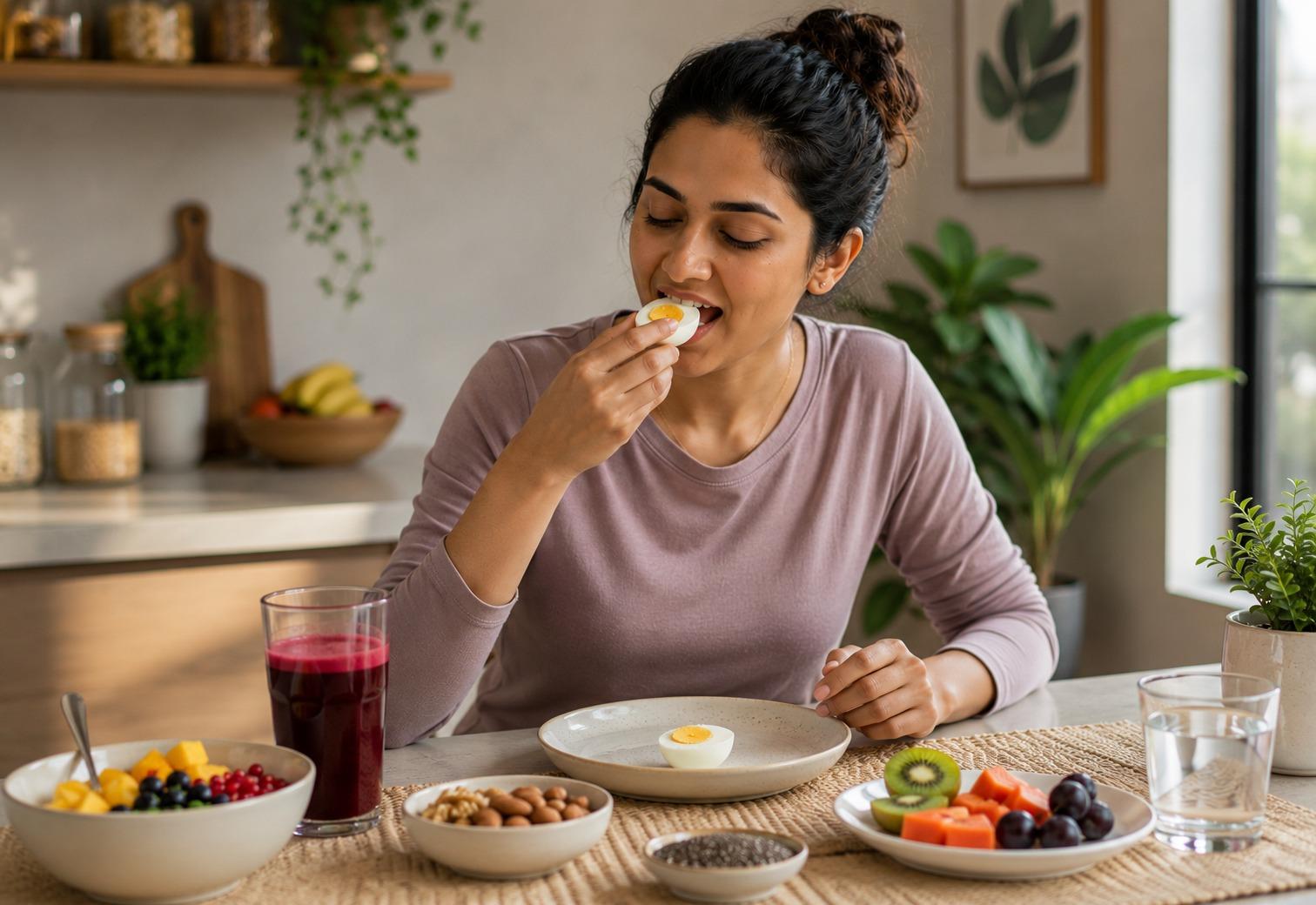
Two eggs, a fistful of sautéed spinach, chopped tomatoes, a bit of onion. Done in five minutes.
You’re getting roughly 3.7 mg of iron from the eggs plus the spinach’s contribution—plus quality protein. Pair with a slice of whole wheat toast and orange juice, and you’ve built a genuinely powerful iron rich breakfast.
Sprouts Chaat with Lemon and Seeds
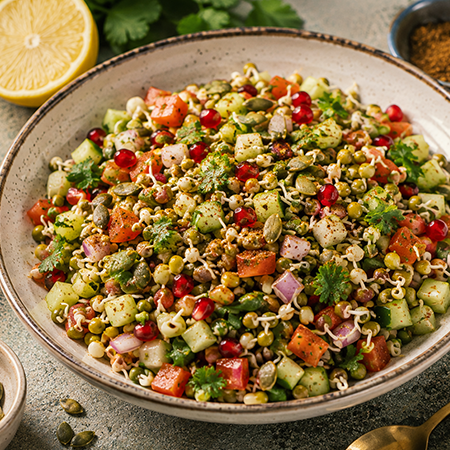
Mix sprouted moong or mixed sprouts with chopped cucumber, tomato, onion, pomegranate, roasted pumpkin seeds, and a generous squeeze of lemon. Salt, chaat masala, done.
Sprouting activates enzymes that reduce phytates—those pesky compounds that block iron absorption. Plus, pumpkin seeds are among the most iron-dense seeds around.
Stuff You’re Probably Doing Wrong
Real talk: even good iron rich foods can fail you if you make these mistakes.
- Chai or coffee with breakfast: Tannins block iron absorption. Have your chai an hour before or after eating.
- Skipping vitamin C: Always add lemon, tomato, amla, or citrus with iron-rich meals.
- Overcooking greens: Wilt spinach gently. Don’t murder it.
- Relying on one food: Rotate. Millets one day, sprouts another, eggs another.
How to Actually Build a Weekly Rhythm
Don’t overthink it. Pick three recipes you like, rotate them, and add one iron-boosting habit—like keeping sprouted moong ready in the fridge or switching your regular tawa for cast iron. Small shifts compound fast.
If you’re dealing with persistent fatigue, hair fall, or suspected anemia, please get your bloodwork done. Food is powerful, but it works best alongside proper medical guidance. consulting the best nutritionist in Bangalore can help you build a diet that moves the needle.
Benefits of the Iron-Rich Diet
| Benefit | How Iron Rich Foods Help You |
| Sustained Energy | No more 3 PM crashes or dragging through meetings—stable energy all day |
| Sharper Brain Function | Better concentration, memory, and decision-making (your brain uses 20% of oxygen supply) |
| Stronger Immunity | Supports white blood cell production to fight infections effectively |
| Pregnancy Support | 27 mg daily supports both maternal health and fetal development |
| Healthy Hair & Skin | Reduces hair fall, restores natural glow, eliminates pale and tired-looking skin |
| Athletic Performance | Improved endurance and strength through optimal oxygen delivery to muscles |
| Better Sleep & More | Regulates body temperature, supports thyroid function, reduces restless leg syndrome |
The Bottom Line
Iron isn’t optional. It’s the difference between dragging yourself through the day and actually feeling alive. The best part? You don’t need fancy imports or exotic superfoods—bajra, ragi, spinach, sprouts, eggs, raisins, and seeds are already sitting in most Indian kitchens.
Start with one recipe this week. Swap your maida paratha for a spinach-wheat one. Try ragi porridge instead of cornflakes. Keep the lemon handy, skip the chai-with-breakfast habit, and give it about six to eight weeks. You’ll notice the difference—in your energy, your hair, your skin, your mood. Your mornings deserve better. And so do you.
Frequently Asked Questions
What are the best iron rich foods for breakfast?
Bajra (8.0 mg per 100g), amaranth (7.61 mg per 100g), dried black raisins (6.81 mg per 100g), whole wheat flour, spinach, eggs, and sprouts are excellent iron-rich breakfast foods options commonly found in Indian kitchens.
Can I drink tea or coffee with my iron-rich breakfast?
No, it’s best to avoid tea or coffee with meals containing iron rich foods. Tannins in these beverages block iron absorption. Wait at least one hour before or after your meal to enjoy your chai or coffee.
How does vitamin C help with iron absorption?
Vitamin C significantly enhances the absorption of non-heme iron (plant-based iron). Adding lemon juice, tomatoes, amla, or citrus fruits to your iron-rich breakfast can dramatically increase how much iron your body actually absorbs. Even a simple iron rich fruit like amla or a citrus fruit alongside your meal can make a noticeable difference in absorption.
Is sprouting really necessary for better iron absorption?
Yes, sprouting is highly beneficial. It activates enzymes that reduce phytates—compounds that block iron absorption. Sprouted moong, matki, and other legumes offer better iron bioavailability than their unsprouted versions.
How long does it take to see results from eating iron rich foods?
With consistent consumption of iron rich foods paired with vitamin C and proper absorption practices, most people notice improvements in energy levels, hair health, and overall vitality within six to eight weeks. However, severe deficiencies may require medical intervention.
Does cooking in cast iron really increase iron content?
Yes, cooking in cast iron cookware can genuinely increase the iron content of your food, especially in slow-cooked, liquid-based dishes like porridges and curries. This is a simple way to boost your iron intake naturally.
How to get 100% iron daily?
Combine multiple iron rich foods throughout the day: start with ragi dosa or poha for breakfast, add kala chana salad at lunch, include spinach sabzi at dinner, and snack on til laddoos. Pair every meal with vitamin C sources like lemon, tomato, or amla to boost absorption.
Which fruit is iron-rich?
Pomegranate leads with 0.3 mg per 100g, followed by dried apricots (2.7 mg), dates (0.9 mg), and watermelon. While fruits aren’t iron powerhouses, they provide vitamin C that enhances iron absorption from other foods.
Can low iron affect sleep?
Absolutely. Iron deficiency causes restless leg syndrome, disrupts oxygen supply to tissues, and triggers fatigue that paradoxically makes quality sleep harder. Correcting iron levels often resolves sleep disturbances within weeks.
Which vegetable has the highest iron?
Cooked spinach tops the list with 3.6 mg per 100g, followed by amaranth leaves (5.4 mg), drumstick leaves (4 mg), and beetroot greens. Always cook these vegetables and pair with lemon for maximum absorption.
How much iron should I take daily?
Adult men need 8 mg daily, while women require 18 mg. Adolescent girls need 15 mg daily to support growth and menstruation. Meet these targets through diverse iron rich foods rather than relying on supplements alone.
Not sure where to start?
Take the 7 day Nutri Trial and see what a plan built around your own kitchen actually feels like.
Start your trial