
- Understanding Your Nutritional Baseline
- Calculating Your Calorie Requirements
- Mastering Macronutrient Balance
- Timing Your Workout Nutrition
- Hydration Fundamentals
- Simplified Meal Preparation
- Avoiding Common Beginner Pitfalls
- Tracking Progress Effectively
- Building Long-Term Success
- Frequently Asked Questions
Starting a fitness journey is exciting, but figuring out what to eat can feel overwhelming. Most beginners don’t fail because of lack of motivation—they fail because they overcomplicate nutrition from day one. This guide provides a straightforward approach to building a sustainable fitness diet planner without the confusion, fads, or endless meal prep sessions. You’ll learn how to calculate your calorie needs, balance your macros effectively, and create habits that actually stick long enough to deliver results.
Understanding Your Nutritional Baseline
Before jumping into any meal plan, you need to understand your current eating habits. Track everything you eat for one week using a calorie tracking app. This baseline data reveals your actual intake—most beginners underestimate by 300-500 calories daily. Fitstra emphasizes this foundational step as critical for creating an effective fitness diet planner that works for your specific needs.
Calculating Your Calorie Requirements
Finding Your TDEE
Your Total Daily Energy Expenditure (TDEE) represents the calories you burn daily. Use a free TDEE calculator with your age, weight, height, and activity level. For fat loss, create a 300-500 calorie deficit. For muscle gain, add 200-300 calories above maintenance. This moderate approach prevents the energy crashes and irritability that come with extreme calorie cuts.
Setting Realistic Targets
Sustainable progress beats dramatic restrictions every time. A 300-500 calorie deficit supports steady fat loss while preserving energy for workouts and daily activities. Patience here pays dividends in long-term adherence.
Mastering Macronutrient Balance
The Macro Basics
Macronutrients—protein, carbohydrates, and fats—form the foundation of your fitness diet planner. According to Muscle & Fitness, beginners should target approximately 1-1.5 grams of protein per pound of bodyweight, 0.4 grams of fat per pound, and fill remaining calories with carbohydrates. If calculations feel overwhelming, start with a 30% protein, 35% carbs, 35% fats split.
Prioritizing Protein Intake
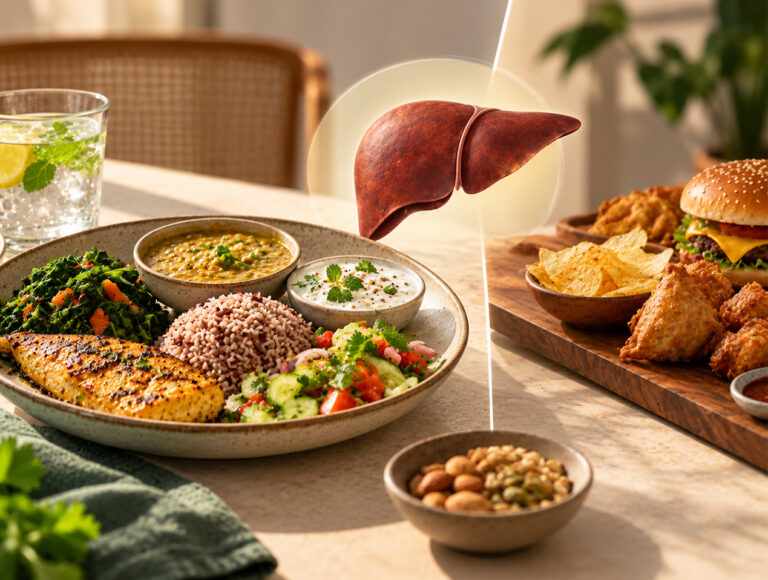
Protein preserves muscle during calorie deficits and increases satiety. Include a palm-sized portion at every meal. Excellent sources include paneer, dal, chickpeas, rajma, Greek yogurt, tofu, and sprouts. Choose options you genuinely enjoy eating—sustainability matters more than perfection.
Timing Your Workout Nutrition
Pre-Workout Fueling
Consume 25 grams of protein and up to 50 grams of carbohydrates about an hour before training. Simple options include a banana with yogurt or a chapati with dal.
Post-Workout Recovery
After exercise, aim for a 2:1 carb-to-protein ratio to support recovery. Rice with dal, paneer bhurji with roti, or fruit with Greek yogurt all work effectively. Expensive supplements aren’t necessary when whole foods deliver the same results.
Hydration Fundamentals
Drink approximately half your bodyweight in ounces of water daily, plus an additional 16-24 ounces during workouts, as SoldierFit recommends. Pale yellow urine indicates proper hydration. Keep a water bottle visible throughout the day as a constant reminder.
Simplified Meal Preparation
Starting Small
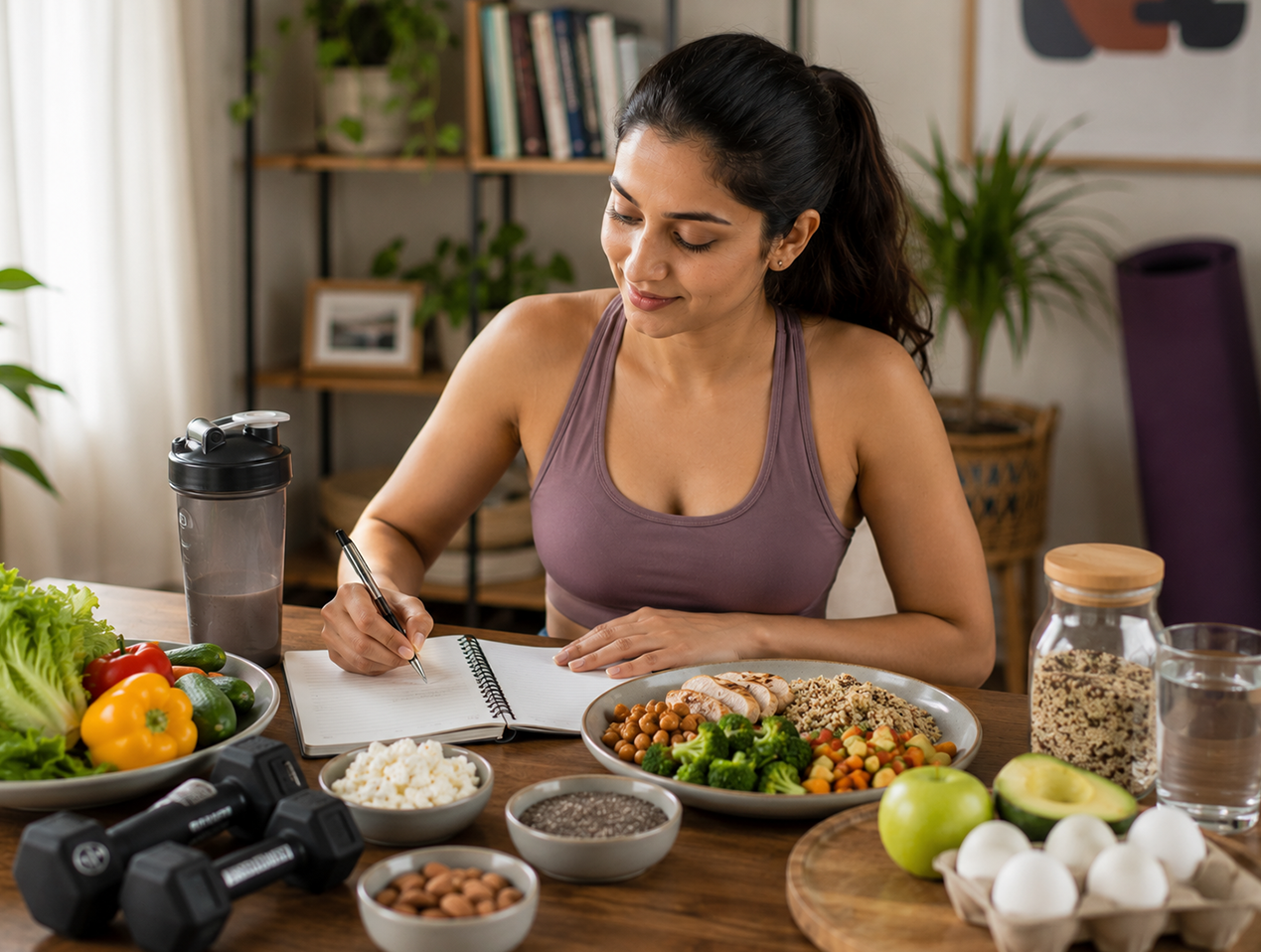
Forget preparing 21 meals every Sunday. Begin by batch-cooking just one meal type—typically lunches. Prepare a large quantity of dal, rice or quinoa, paneer, and vegetables. Mix and match throughout the week. This approach, central to any effective personalized nutrition program, builds consistency without overwhelming your schedule.
Building Efficiency
As meal prep becomes routine, gradually add breakfast or dinner preparation. Incremental progress creates sustainable habits rather than burnout from attempting too much initially.
Avoiding Common Beginner Pitfalls
- Eliminating entire food groups based on social media trends
- Assuming “healthy” foods can be eaten in unlimited quantities
- Relying on supplements before establishing solid meal foundations
- Training intensely while maintaining poor eating habits
- Abandoning the plan after two weeks without dramatic scale changes
Tracking Progress Effectively
Weigh yourself weekly at the same time under consistent conditions. Take monthly progress photos and notice how clothing fits. If progress stalls for 2-3 weeks, reduce calories by 100-150 or increase daily movement. Small adjustments prevent the need for dramatic overhauls.
Building Long-Term Success
An effective fitness diet planner focuses on consistency over perfection. Start by tracking current intake, establish realistic calorie targets, prioritize protein, maintain hydration, and prepare a few meals weekly. Give the process three months of genuine effort.
At Anupama, we create personalized nutrition programs tailored to your body, lifestyle, and preferences—practical guidance without guesswork. Your commitment today creates the results you’ll celebrate tomorrow.
Frequently Asked Questions
Can vegetarians build muscle effectively?
Yes. Paneer, tofu, dal, rajma, chickpeas, Greek yogurt, and quinoa provide ample protein for muscle development. Consistent daily protein intake matters most.
Are supplements necessary for beginners?
No. Establish solid eating habits first. Protein powder offers convenience if whole food protein targets prove difficult, but it’s optional for most beginners.
When will results become visible?
Expect 4-6 weeks for initial changes and 8-12 weeks for noticeable body composition improvements with consistent nutrition and training.
How often can I have flexible meals?
One or two flexible meals weekly won’t derail progress. They actually support long-term adherence by preventing restrictive eating burnout.
Does carbohydrate timing matter?
Around workouts is ideal—before for energy, after for recovery. However, total daily intake matters more than precise timing for beginners. Prioritize consistency first.
Is permanent calorie tracking necessary?
No. Initial tracking builds awareness of portions and food values. After several months, most people develop intuition and maintain results without constant logging.
Not sure where to start?
Take the 7 day Nutri Trial and see what a plan built around your own kitchen actually feels like.
Start your trial