
- What Does a Renal Dietitian Actually Do?
- Why a “Kidney Diet” Isn’t One-Size-Fits-All
- The Big Five Nutrients Your Dietitian Manages
- Can Diet Actually Slow Kidney Disease?
- Protein: The Most Confusing Part
- What Happens in Your First Consult
- Mistakes I See Constantly
- Managing CKD Alongside Diabetes or Hypertension
- Does Insurance Cover This?
- Frequently Asked Questions
Getting told your kidneys aren’t working the way they should? That’s terrifying. And then someone hands you a list of foods to avoid that reads like your entire grocery cart, and suddenly you’re staring at a banana wondering if it’s the enemy. Here’s what most people don’t realize: a good Dietitian for Kidney Disease doesn’t just hand you a “don’t eat this” list. They read your labs, understand your life, and build something you can actually live with. This article walks you through exactly what that looks like, what a renal dietitian does differently, and how the right nutrition plan can slow kidney decline, ease dialysis, and honestly, make food feel less scary again.
What Does a Renal Dietitian Actually Do?
Short answer? They translate your lab report into your grocery list.
A renal dietitian is a registered dietitian nutritionist (RDN) who specializes in chronic kidney disease and end-stage kidney disease. According to the Academy of Nutrition and Dietetics, an RDN teaches you how to choose foods that “ease the workload on your kidneys.” That’s the real job. Not restriction for the sake of it. Reducing strain so your kidneys can keep doing what’s left of their work.
Why a “Kidney Diet” Isn’t One-Size-Fits-All
This is where most people mess up. They google “renal diet” and follow some generic list. But your CKD stage, your labs, whether you’re on dialysis, whether you also have diabetes — all of that changes the plan. The National Kidney Foundation makes this clear: people with CKD may need to control sodium, potassium, phosphorus, calcium, or protein — but which ones, and how much, depends on you.
The Big Five Nutrients Your Dietitian Manages
- Sodium: Usually capped around 2–3 grams per day to protect blood pressure, per NIDDK guidance.
- Protein: Moderated in early CKD, increased on dialysis. Big difference.
- Potassium: Restricted when your serum level hits 5.0 mEq/L or higher.
- Phosphorus: Watch for hidden additives in packaged food.
- Fluids: Individualized. Not everyone needs to restrict.
Can Diet Actually Slow Kidney Disease?
Yes. And this isn’t wishful thinking. The National Kidney Foundation notes that a well-balanced, low-sodium diet can slow or even stop progression. Your dietitian tracks your eGFR over time — if it stays stable, the diet’s working. If it drops, they adjust. It’s that iterative.
Diet won’t reverse advanced damage. Let’s be honest about that. But slowing the decline, avoiding hospitalizations, delaying dialysis? Absolutely on the table.
Protein: The Most Confusing Part
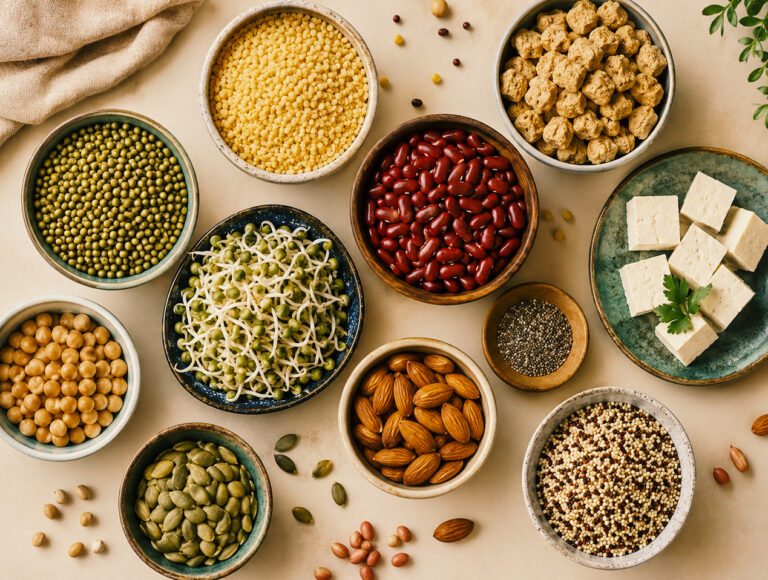
Here’s the paradox that trips everyone up. In stages 1–4 CKD, too much protein stresses your kidneys. On dialysis, you actually need more protein because treatment strips it out. Same disease, opposite advice. The NKF also points out that plant proteins — beans, lentils, nuts — are gentler because they produce less acid than meat and dairy.
Too little protein, though, and you lose muscle. Get weak. So this isn’t a DIY project.
What Happens in Your First Consult
Initial Assessment Process
- Review of your recent labs — eGFR, potassium, phosphorus, albumin.
- A conversation about what you actually eat (bring a 3-day food diary if you can).
- Cultural and lifestyle assessment. Your dietitian should adapt to your cuisine, not the other way around.
- A personalized nutrition prescription with real targets.
- Follow-up scheduling to monitor lab changes.
Mistakes I See Constantly
Dangerous Diet Choices
Salt substitutes loaded with potassium chloride. People with high potassium chugging orange juice for a “healthy” breakfast. Herbal supplements marketed as “kidney cleanses.” Random high-protein powders. All bad ideas without guidance.
Real talk: the internet is full of well-meaning but dangerous kidney advice.
Managing CKD Alongside Diabetes or Hypertension
Most kidney patients aren’t just dealing with kidneys. Diabetes, high blood pressure, heart issues — they travel together. A skilled Dietitian for Kidney Disease balances carb control with renal restrictions so you’re not swapping one problem for another. That’s the kind of nuanced work generic meal plans can’t touch. If you’re searching for the best dietician in Bangalore, look for someone who understands this complex interplay.
Does Insurance Cover This?
Often, yes. Per the American Kidney Fund, Medicare covers 2 to 3 hours of Medical Nutrition Therapy per year for patients with an eGFR between 15–59 ml/min, and for those within 36 months post-transplant.
Bringing It Home
Kidney disease doesn’t mean eating cardboard for the rest of your life. It means eating smarter, guided by someone who reads your labs like a story. A skilled dietitian slows progression, protects your energy, sorts through the myths, and — honestly — makes eating enjoyable again. At Anupama, recognized as the best dietician in Bangalore, that’s the approach: labs-first, culture-aware, sustainable. If you’re newly diagnosed, or if your numbers just shifted, don’t wait until dialysis is on the table. Talk to a Dietitian for Kidney Disease now. Your future kidneys will thank you.
Frequently Asked Questions
How often should I see a renal dietitian?
Initially, monthly visits help establish your baseline and adjust your plan. Once stable, quarterly check-ins aligned with your nephrologist appointments work well for most patients.
Can I eat out at restaurants with kidney disease?
Absolutely. Your dietitian will teach you how to navigate menus, ask the right questions, and make modifications. It’s about smart choices, not complete restriction.
Do I need supplements if I’m on a renal diet?
Maybe. Your dietitian will review your labs to determine if you need vitamin D, iron, or other supplements. Never self-prescribe — some vitamins can harm kidneys.
What’s the difference between a dietitian and a nutritionist for kidney care?
A registered dietitian (RDN) has formal education, clinical training, and national certification. For medical conditions like CKD, always choose an RDN with renal specialization.
Will I need to follow this diet forever?
Your diet evolves with your kidney function. As your labs change, your plan adjusts. If you receive a transplant, restrictions often ease significantly.
Not sure where to start?
Take the 7 day Nutri Trial and see what a plan built around your own kitchen actually feels like.
Start your trial