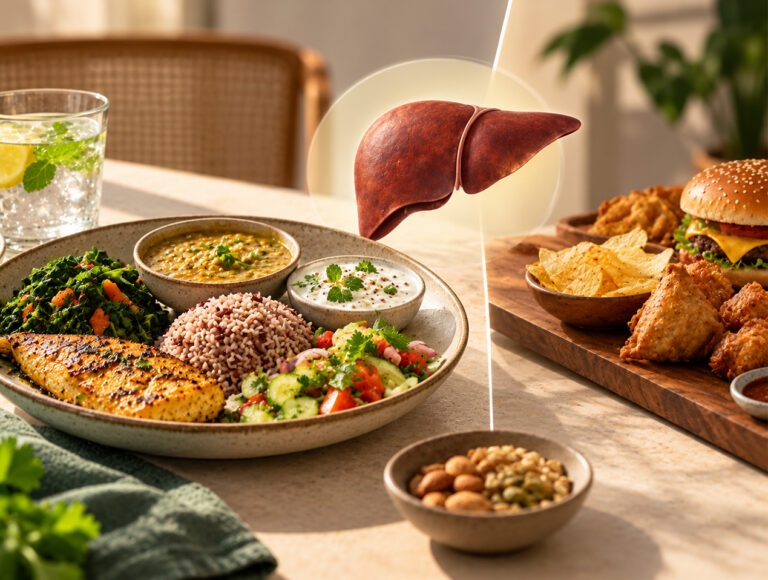

Rice at lunch. Roti at dinner. A quick poha for breakfast, maybe some chai with two biscuits by 4 pm. Sound like your week? Now picture yanking almost all of that out and replacing it with paneer, eggs, ghee, nuts, and a mountain of palak. That’s keto, in a nutshell. And it’s one of the most hyped diets Indians have tried in the last decade.
But here’s where things get complicated. The keto diet wasn’t exactly designed with dal-chawal households in mind. Some people thrive on it. Others feel miserable within two weeks. And a few shouldn’t be anywhere near it, especially if they’re on certain medications or have specific health conditions.
So let’s cut through the noise. This guide walks you through what keto actually is, which Indian foods fit (and which don’t), who stands to benefit, and who really needs to pause before starting. No fluff. Just the stuff you need to make a smart call.
What Is the Keto Diet, Really?
The keto diet is a very-low-carb, high-fat way of eating. Most plans cap carbs at around 20 to 50 grams a day. That’s less than one small bowl of cooked rice. Protein stays moderate. Fat does the heavy lifting, usually 65 to 75% of your daily calories.
When carbs drop that low, your body runs out of its usual fuel (glucose) and starts breaking down fat into ketones instead. That metabolic switch is called nutritional ketosis. It typically kicks in after 3 to 7 days of strict carb restriction.
Quick but important distinction: nutritional ketosis is not diabetic ketoacidosis. The second one is a medical emergency involving dangerously high ketone and blood sugar levels, usually seen in people with type 1 diabetes. Nutritional ketosis, when done right, is a controlled state. Don’t let anyone scare you by mixing the two up.
Why So Many Indians Are Curious About Keto
The appeal is pretty obvious. Weight loss happens fast in the first few weeks (some of it water, honestly, but still motivating). Blood sugar often improves. Hunger drops. People report feeling sharper mentally once they’re past the adaptation phase.
Research also suggests potential benefits for insulin resistance and metabolic syndrome, both of which are rampant in India. According to a review published on PubMed Central, short-term improvements in weight and glycemic markers are well documented, though long-term sustainability remains a question mark.
And that’s the catch. Short-term wins don’t always mean long-term success.
The Indian Food Reality Check
Here’s where most people hit a wall. Our food culture runs on carbs. Rice, wheat, millets, pulses, potatoes, bananas, mangoes, sugar in chai, jaggery in sweets. Even “healthy” options like dal and rajma pack serious carbs.
Let me break down what fits and what doesn’t.
| Food group | Foods you can eat on keto | Foods you’ll need to skip or severely limit |
| Dairy | Paneer, cheese, cream, full-fat curd (in small amounts) | Milk in large quantities (it has lactose, which is sugar) |
| Protein | Eggs, chicken, fish, mutton | All dals, rajma, chana, chole, moong (yes, even the “healthy” ones) |
| Fats and oils | Ghee, butter, coconut oil, mustard oil, olive oil | None |
| Vegetables | Non-starchy vegetables: palak, methi, lauki, bhindi, cauliflower, cabbage, capsicum, baingan | Potatoes, sweet potatoes, yam, raw banana |
| Nuts and seeds | Almonds, walnuts, flaxseeds, chia, pumpkin seeds (watch portions) | None |
| Fruit | Avocado, coconut, berries in tiny amounts | Mangoes, bananas, grapes, chikoo, most fruits |
| Grains and staples | None | Rice, roti, poha, upma, idli, dosa, paratha, bread, pasta |
| Sweeteners and sweets | None | Sugar, jaggery, honey, sweets, biscuits |
Pro tip: cauliflower rice replaces regular rice decently well. Almond flour or coconut flour can make a passable roti. Will it taste exactly like amma’s phulka? Nope. But it’ll do the job.
Can Indian Vegetarians Actually Do Keto?
Yes, but it’s harder. Honestly, way harder. Most vegetarian protein sources in India (dals, chickpeas, rajma) are high in carbs. That leaves paneer, cheese, tofu, eggs if you include them, and nuts.
The risk? Running low on protein, B12, iron, and omega-3s. Vegetarian keto needs real planning, not just winging it. If you’re a lacto-vegetarian without eggs, you’ll want to work with a nutritionist who understands Indian dietary patterns. A one-size-fits-all plan pulled off the internet won’t cut it.
Who Might Benefit From Keto?
Keto isn’t magic, but for the right person it can genuinely help. Based on current evidence, these groups may see real benefit:
- Adults with obesity who’ve struggled with portion-based diets
- People with type 2 diabetes or prediabetes (under medical supervision)
- Those with PCOS and insulin resistance
- Patients with drug-resistant epilepsy, where keto has decades of clinical use
- People with fatty liver, in some cases
Notice the pattern? Every one of these calls for proper screening first. Keto isn’t a casual lifestyle choice if you have a medical condition. It’s an intervention.
Who Should Absolutely Avoid the Keto Diet?
This is the section most Instagram influencers skip. Pay attention.
According to clinical guidance published by the Saudi Ministry of Health and reviews on PubMed Central, keto is not recommended for people with:
- Type 1 diabetes (high risk of ketoacidosis)
- Pancreatitis or history of pancreatic issues
- Advanced kidney disease
- Liver conditions, including severe fatty liver disease
- Gallbladder problems or if your gallbladder has been removed
- Thyroid disorders that aren’t well controlled
- Eating disorder history (keto’s restrictiveness can trigger relapse)
- Pregnancy and breastfeeding
- Children, unless prescribed for epilepsy under medical care
Also worth flagging: if you’re on SGLT2 inhibitors (common diabetes medications like dapagliflozin or empagliflozin), the combination with keto can seriously raise ketoacidosis risk. Diabetes.co.in and multiple clinical sources warn about this specifically. Talk to your doctor before changing anything.
What About People on Insulin or BP Medications?
Short answer: don’t start keto without talking to your doctor first.
When you cut carbs sharply, your blood sugar drops. If you’re still taking the same insulin dose or sulfonylureas, you can crash into hypoglycemia. Same with blood pressure medications—keto often lowers BP within weeks, and your meds may need adjusting.
| Medication | What can happen on keto | What to do |
| Insulin or sulfonylureas | Blood sugar drops; you can crash into hypoglycemia if the dose stays the same | Talk to your doctor before starting |
| SGLT2 inhibitors (dapagliflozin, empagliflozin) | Can seriously raise ketoacidosis risk | Talk to your doctor before changing anything |
| Blood pressure medications | Keto often lowers BP within weeks | Your meds may need adjusting; talk to your doctor |
This isn’t a warning to scare you off. It’s a reminder that your prescription was written for your current diet. Change the diet, and the prescription may need to change too.
The Side Effects Nobody Warns You About
The first two weeks can feel rough. Really rough. This is the famous “keto flu,” and most people underestimate it.
Common complaints:
- Headaches and brain fog
- Fatigue and irritability
- Muscle cramps (your electrolytes are shifting)
- Constipation or sudden bowel changes
- Bad breath (hello, acetone)
- Trouble sleeping
Most of this fades after 10 to 14 days as your body adapts. Drinking more water, adding salt, and getting enough potassium and magnesium helps. But if symptoms are severe or persistent, that’s your signal to stop and consult someone qualified.
Is Keto Sustainable Long-Term?
Real talk? For most Indians, probably not.
Our food is social. Weddings, festivals, family dinners, chai with neighbors. Try saying no to your grandmother’s gulab jamun. Or skipping biryani at your cousin’s wedding. It’s not just about willpower; it’s about living in a culture built around shared meals.
Studies also suggest that strict keto adherence drops significantly after 6 to 12 months. Many people cycle in and out. Some switch to a moderate low-carb approach, which keeps carbs around 100 to 150 grams a day. Honestly? That’s often more realistic and still gets most of the benefits for weight and metabolic health.
Keto vs Low-Carb: Which One Should You Try?
They’re not the same thing. People use the terms interchangeably, but they shouldn’t.
| Strict keto | Low-carb | Balanced calorie-controlled | |
| Daily carbs | Under 20-50g | 50-150g | Normal carbs |
| Ketosis | Puts you in ketosis | No ketosis required | Not applicable |
| Flexibility | Strict | Way more flexible | Just smaller portions overall |
For most people wanting weight loss or better blood sugar, a moderate low-carb approach—with rotis cut in half, more vegetables, cleaner proteins, and controlled portions—works just as well as strict keto. And it’s a lot easier to stick with for years.
How to Start Keto the Right Way (If It’s Right for You)
If you’ve read everything above and still think keto fits your situation, here’s a sensible approach:
- Get a basic health check-up: fasting glucose, lipid profile, kidney and liver function, thyroid
- Talk to your doctor if you’re on any medication
- Work with a qualified nutritionist to build a plan around your food preferences, not some American template
- Start by cutting out obvious carbs (sugar, sweets, white rice, maida) before going full keto
- Prioritize vegetables and quality protein, not just butter and bacon
- Track how you feel, not just the scale
- Reassess at 8 to 12 weeks—keep going, modify, or stop based on real results
At Anupama, we’ve seen that the most successful clients aren’t the ones who follow the strictest plan. They’re the ones who match their diet to their actual lifestyle, their kitchen, their family, and their medical reality.
What to take away before you start keto
The keto diet can work. For some people, it works brilliantly. But it’s not a universal fix, and it’s definitely not safe for everyone. Indian food culture, vegetarian preferences, common medications, and chronic conditions all shape whether keto is the right call or a risky one.
Here’s what to remember:
- Keto means serious carb restriction, not just skipping rice
- Many Indian staples don’t fit, including dal and most fruits
- Diabetics, kidney patients, pregnant women, and people with eating disorders should avoid it
- Medication adjustments are often needed
- Moderate low-carb may be more realistic for most of us
Before you jump in, get yourself assessed properly. Diet trends come and go. Your health doesn’t get a redo. If you want a plan built around your body, your meds, and your actual meals, reach out to the team at Anupama—because the right diet for you is the one you can actually live with.
Frequently Asked Questions About Keto Diet
Is the keto diet safe for Indians?
The keto diet can be safe for healthy Indians when done correctly and under professional guidance. However, it requires careful planning since traditional Indian meals are carb-heavy. It’s not suitable for everyone, especially those with certain medical conditions, pregnant or breastfeeding women, or people on specific medications. Always consult your doctor before starting, particularly if you have diabetes, kidney issues, or thyroid problems.
Can vegetarians follow a keto diet in India?
Yes, but it’s significantly more challenging. Most Indian vegetarian protein sources like dals, rajma, and chickpeas are high in carbs. Vegetarian keto relies heavily on paneer, cheese, tofu, eggs (if you eat them), nuts, and non-starchy vegetables. The risk of protein, B12, and iron deficiency is higher, so working with a qualified nutritionist is essential to ensure nutritional adequacy.
Can I eat roti or rice on a keto diet?
Traditional wheat roti and white rice don’t fit into a strict keto diet because they’re too high in carbohydrates. One small roti has about 15-20g of carbs, and a small bowl of rice contains 30-40g, which would exceed your daily carb limit. Some people use cauliflower rice or make rotis from almond or coconut flour as low-carb alternatives, though the taste and texture differ considerably.
| Food | Approx. carbs | Fits a strict keto limit (20-50g/day)? |
| One small roti | 15-20g | Uses up much of the daily limit |
| One small bowl of rice | 30-40g | Would exceed the daily limit |
| Cauliflower rice, almond or coconut flour roti | Low-carb alternatives | Yes, though taste and texture differ considerably |
How long should you stay on the keto diet?
Most research focuses on keto periods of 3 to 6 months. There’s limited evidence on safety and effectiveness beyond 12 months. Many nutritionists recommend keto as a short-term intervention rather than a permanent lifestyle, particularly for weight loss or metabolic improvements. After the initial period, transitioning to a moderate low-carb approach (100-150g carbs daily) is often more sustainable for long-term health.
Does keto cause hair fall?
Hair shedding can happen on keto, typically 2 to 4 months after starting. This usually results from rapid weight loss, calorie restriction, or nutritional deficiencies (protein, iron, biotin, zinc), not ketosis itself. It’s generally temporary and resolves once your body adjusts or you address the deficiency. If hair loss is severe or persistent, consult a healthcare professional and consider whether the diet is right for you.
Is keto good for diabetics?
Keto can help lower blood sugar and improve insulin sensitivity in people with type 2 diabetes, but it must be done under medical supervision. The diet can cause dangerous hypoglycemia if you’re on insulin or certain diabetes medications. People with type 1 diabetes should avoid keto due to ketoacidosis risk. If you have diabetes, work closely with your doctor to adjust medications and monitor blood sugar levels carefully.
Can I do keto if I have PCOS or thyroid issues?
Some women with PCOS and insulin resistance see improvements on keto, including better menstrual regularity and weight loss. However, evidence is mixed and individual responses vary. For thyroid issues, keto may affect thyroid function in some people, particularly if it’s too low in calories or selenium. Both conditions require medical monitoring. It’s best to work with an endocrinologist and nutritionist who can track your hormone levels throughout.
Keto vs intermittent fasting: which is better?
They’re different approaches that can be used separately or together. Keto restricts what you eat (very low carbs), while intermittent fasting restricts when you eat (time windows). Both can support weight loss and metabolic health. Some people find intermittent fasting easier to sustain in Indian culture since you can still eat regular foods during your eating window. The “better” choice depends on your lifestyle, medical history, and personal preferences.
What happens when you stop keto?
Most people regain some weight when they stop keto, especially water weight that returns as you reintroduce carbs. The key is transitioning gradually rather than jumping straight back to your old eating pattern. Slowly increase carbs by 10-20g per week, focus on whole grains and vegetables rather than processed carbs, and maintain portion control. Without a thoughtful exit strategy, many people regain all the weight they lost within months.
How much weight can you lose on keto?
Weight loss varies widely based on starting weight, adherence, activity level, and metabolic factors. Many people lose 2-5 kg in the first week (mostly water), then 0.5-1 kg per week after that. Studies show keto often produces faster initial weight loss than other diets, but the difference narrows after 6 to 12 months. Sustainable loss depends more on whether you can stick with it and what happens after you stop.
Not sure where to start?
Take the 7 day Nutri Trial and see what a plan built around your own kitchen actually feels like.
Start your trial