Discover a practical pcod problem solution through balanced nutrition, low-GI foods, regular exercise, quality sleep, and stress management to support hormonal health.


Table of Contents
- Introduction
- Why Food Matters More Than You Think
- The Low-GI Approach
- Foods to Actually Eat
- Foods That Make PCOD Worse
- What Does a PCOD-Friendly Day Look Like?
- Move Your Body—But Not Just Cardio
- Sleep and Stress: The Underrated Duo
- Common Mistakes to Skip
- Bringing It All Together
- Frequently Asked Questions
Ever felt like your body’s playing tricks on you? Irregular periods, sudden weight gain, breakouts that won’t quit, hair showing up where it shouldn’t. If any of this rings a bell, you’re not alone. PCOD affects a huge chunk of women worldwide, and honestly, most of them are told to just “manage it” with pills. But here’s what the top researchers actually say: lifestyle and food changes are the first-line therapy, according to peer-reviewed research on PCOS interventions. That’s not fluff. That’s medicine. This guide walks you through a real, doable pcod problem solution built around what you eat, how you move, and how you live. No fads. No extreme diets. Just what works.
Why Food Matters More Than You Think
PCOD isn’t just a “period issue.” It’s a metabolic one. At the heart of it sits insulin resistance—your cells stop responding well to insulin, your body pumps out more, and that extra insulin messes with your hormones. Cue the symptoms.
The fix? Eat in a way that keeps blood sugar steady. That’s the whole game.
The Low-GI Approach
Glycemic index sounds fancy. It’s not. It just tells you how fast a food spikes your blood sugar. Apollo Hospitals explains it well—low-GI foods don’t cause insulin levels to rise as much or as quickly. And when insulin stays calm, so do your hormones.
Swap white rice for brown rice or millets. Trade maida rotis for whole wheat or jowar. Ditch the sugary chai biscuits. Small swaps, real difference.
Foods to Actually Eat
Here’s your grocery list, no gatekeeping:
Essential Components of a PCOS Diet Chart
- Millets and whole grains — ragi, bajra, jowar, oats, quinoa
- Lean protein — eggs, dal, chickpeas, paneer, fish, chicken
- Non-starchy veggies — spinach, broccoli, bhindi, cabbage, gourds
- Healthy fats — walnuts, flaxseeds, almonds, olive oil, avocado
- Low-GI fruits — berries, apples, pears, guava
- Anti-inflammatory spices — turmeric, cinnamon, ginger
Brown Health nutrition experts point out that a plate loaded with whole grains, legumes, fish, nuts, seeds, and a variety of fruits and veggies gives your body exactly what it needs to fight back.
Foods That Make PCOD Worse
Real talk—these are the culprits:
- Sugary drinks (yes, even that “healthy” packaged juice)
- Maida-based stuff — bread, biscuits, samosas, pastries
- Processed and fried snacks
- Sweets, chocolates loaded with sugar
- Processed meats and excess red meat
You don’t have to be a saint. But cutting these back? Non-negotiable.
What Does a PCOD-Friendly Day Look Like?
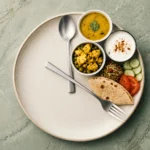
Sample PCOS Diet Chart for Daily Meals
Something simple like this works:
- Breakfast: Vegetable oats or besan chilla with mint chutney
- Mid-morning: A handful of walnuts and a guava
- Evening: Green tea with roasted chana
- Dinner: Grilled fish or paneer with sautéed veggies
See? Nothing weird. Nothing expensive. Just real food, thoughtfully put together—similar to the sample plans Nanavati Max Hospital recommends.
Move Your Body—But Not Just Cardio
Walking is great. But it’s not enough. Strength training twice a week actually improves insulin sensitivity better than endless cardio. Mix it up: brisk walks, yoga, weights, a dance class you enjoy. The best exercise is the one you’ll actually stick with.
Aim for 150 minutes a week. Break it into 20-30 minute chunks if you’re busy.
Sleep and Stress: The Underrated Duo
You can eat perfectly and still struggle if you’re sleeping five hours and stressed to your eyeballs. Cortisol (your stress hormone) throws insulin off. Poor sleep worsens cravings.
Aim for 7-8 hours. Wind down screens by 10. Try box breathing or a five-minute meditation. According to NYU Langone Health, stress and sleep management sit right alongside diet and exercise as core PCOS management.
Common Mistakes to Skip
- Skipping meals thinking it’ll help you lose weight (it backfires)
- Going full keto without guidance
- Cutting fruits entirely (low-GI ones are your friends)
- Ignoring strength training
- Sitting for 8 hours straight at a desk
Bringing It All Together
The best pcod problem solution isn’t a magic pill or a 21-day cleanse. It’s a set of small, steady habits stacked over months. Eat low-GI, whole foods. Move often. Sleep well. Manage stress. Show up for yourself daily.
You won’t get it perfect. That’s fine. Progress, not perfection, is what shifts hormones. Give it three to six months of consistency and watch what happens—clearer skin, calmer moods, cycles that arrive when they should.
If you’d like personalized guidance that fits your body, your kitchen, and your routine, that’s exactly where Anupama steps in. Generic diet charts can only take you so far—your PCOD journey is unique to you, and your solution should reflect that individuality.
Frequently Asked Questions
Can PCOD be cured permanently?
PCOD can’t always be “cured” permanently, but it can absolutely be managed to the point where symptoms fade, cycles regularize, and you feel like yourself again. Consistent lifestyle changes make a real difference.
How long does it take to see results with diet changes?
Most women start noticing improvements in energy and mood within 4-6 weeks. Hormonal balance and cycle regularity typically take 3-6 months of consistent effort.
Do I need to follow a strict diet for PCOD?
No extreme diets needed. Focus on low-GI whole foods, balanced meals, and avoiding processed foods. Consistency matters more than perfection.
Is exercise mandatory for managing PCOD?
Yes, exercise—especially strength training—significantly improves insulin sensitivity. Aim for 150 minutes weekly, combining cardio and weights for best results.
Can I eat fruits if I have PCOD?
Absolutely! Stick to low-GI fruits like berries, apples, pears, and guava. Avoid cutting fruits entirely—they provide essential nutrients and fiber.
Ready When You Are
We’re just a message away from getting started.