
- Why Credentials Matter (But Aren’t Everything)
- Specialization Beats Generalization Every Time
- The Consultation Style That Actually Works
- Online vs. In-Person: What’s Better?
- Cost Doesn’t Always Equal Quality
- Reviews Tell Stories—But Read Between the Lines
- Questions You Must Ask Before Committing
- Making Your Decision
- Frequently Asked Questions
Finding a good dietician shouldn’t feel like looking for a needle in a haystack, but let’s be real—it often does. You’ve got your weight loss goals, maybe some health issues you’re trying to manage, and suddenly you’re drowning in Google to search results showing hundreds of “top dieticians.” Some charge ₹500 per consultation. Others ask for ₹5,000. How do you even know who’s legit?
Here’s what matters: the right nutrition expert can genuinely change your life. The wrong one? You’ll waste money and time following cookie-cutter meal plans that don’t work for your body. So, let’s cut through the noise and figure out how to find the best dietician in India for YOUR specific needs.
Why Credentials Matter (But Aren’t Everything)
Look, anyone can call themselves a “nutritionist” in India. Seriously. There’s no legal restriction on that term.
But “dietician” is different. A registered dietician has completed a bachelor’s degree in nutrition and dietetics, often followed by a master’s or specialized certification. They’re regulated by the Indian Dietetic Association. That’s your baseline—don’t compromise on this.
That said, I’ve seen dieticians with impressive degrees who still hand out the same boring 1200-calorie meal plan to everyone who walks through their door. Credentials prove someone studied nutrition. Experience and approach prove they can actually help you.
What to Look For
- B.Sc or M.Sc in Nutrition and Dietetics from a recognized university
- Registration with Indian Dietetic Association (IDA)
- Specialized certifications for your specific needs (diabetes educator, sports nutrition, clinical nutrition)
- Continuing education—nutrition science evolves constantly
Specialization Beats Generalization Every Time
You wouldn’t see a general physician for heart surgery, right? The same logic applies here.
If you’re managing PMOS, you want someone who works with hormonal disorders regularly. Training for a marathon? Find a sports nutritionist who understands athletic performance. Dealing with diabetes or thyroid issues? Clinical nutrition expertise is non-negotiable.
The best dietician in India for your neighbor might be totally wrong for you. And that’s okay. What matters is finding YOUR match.
The Consultation Style That Actually Works
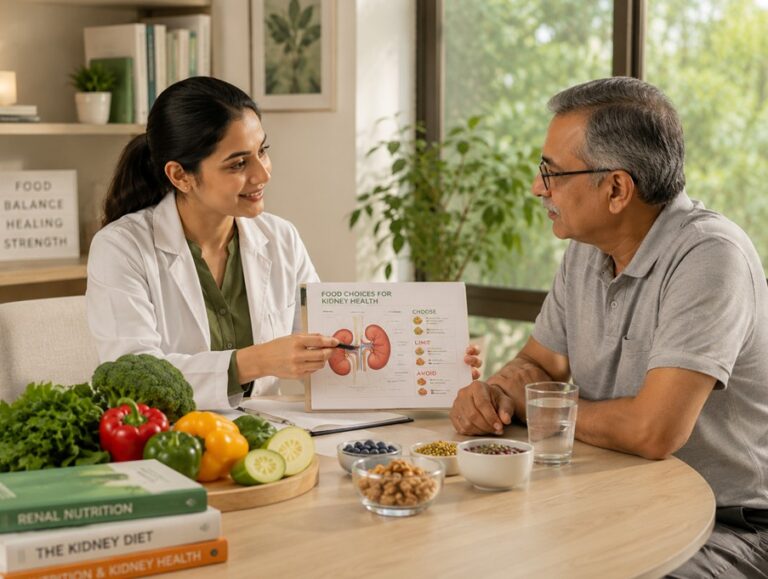
Here’s where things get interesting. A good dietician doesn’t just tell you what to eat—they listen first.
During your initial consultation, they should ask about your medical history, lifestyle, food preferences, cultural background, work schedule, budget, and honestly, even your relationship with food. If someone starts writing a meal plan five minutes into your first meeting, walk away.
Think about it this way: personalization is everything. Your body, your life, your goals—they’re unique. Cookie-cutter approaches fail because they ignore this basic truth.
Red Flags to Watch For
- Pushing expensive supplements, you “absolutely need”
- Promising specific weight loss numbers (“lose 10 kg in one month!”)
- Eliminating entire food groups without medical reason
- No follow-up plan or progress tracking
- Making you feel guilty or ashamed about food choices
Online vs. In-Person: What’s Better?
Honestly? Both can work brilliantly—or terribly. It depends on execution.
Online consultations offer convenience. You can work with the best dietician in India regardless of where you live. No commute time, often lower fees, and flexible scheduling. Plus, many dieticians now use apps for meal tracking and daily support.
But in-person visits have advantages too. Some people need that face-to-face accountability. Body composition analysis is more accurate. And let’s face it, it’s harder to cancel when you’ve actually scheduled to show up somewhere.
Cost Doesn’t Always Equal Quality
I’ve seen incredible dieticians charging ₹800 per session deliver better results than some charging ₹3,500. Price reflects location, experience, and demand—not always effectiveness.
That said, if something seems too cheap, question it. Quality expertise deserves fair compensation. But the most expensive option isn’t automatically the best choice either.
Most dieticians in metro cities charge between ₹1,000-₹2,500 for initial consultations, with follow-ups costing less. Factor in the frequency of follow-ups you’ll need when calculating total investment.
Reviews Tell Stories—But Read Between the Lines
Before-and-after photos look impressive. Five-star ratings feel reassuring. But dig deeper.
Look for reviews mentioning sustainable results, not just quick fixes. Check if the dietician responds to feedback professionally. Notice whether past clients mention feeling supported throughout their journey or just given instructions and left alone.
Questions You Must Ask Before Committing
Don’t be shy. Your health and money are on the line. Ask these questions upfront:
- What’s your experience with my specific health concern?
- How do you personalize meal plans?
- What’s your approach to follow-ups and accountability?
- Can you work within my cultural food preferences?
- What happens if I’m not seeing results?
- Do you coordinate with my doctor if needed?
How they answer matters as much as what they answer. You want someone patient, thorough, and genuinely interested in helping you succeed.
Making Your Decision
Finding the best dietician in India for your health goals isn’t about picking the most famous name or the cheapest option. It’s about matching your specific needs with someone who has the right expertise, approach, and personality to guide you effectively.
Start by identifying your primary health goal. Research dieticians who specialize in that area. Check their credentials and experience. Read reviews thoughtfully. Schedule a consultation and trust your gut about whether it feels right.
Your health journey deserves expert guidance that’s personalized, sustainable, and actually achievable. Don’t settle for less than that.
Frequently Asked Questions
What is the difference between a dietician and a nutritionist in India?
A dietician holds a formal degree (B.Sc or M.Sc) in Nutrition and Dietetics and is registered with the Indian Dietetic Association. The term “nutritionist” is not legally regulated in India, meaning anyone can use it without specific qualifications.
How much does a consultation with the best dietician in India typically cost?
Consultation fees vary widely based on location, experience, and specialization. Expect to pay ₹1,000-₹2,500 for initial consultations in metro cities, with follow-up sessions usually costing less. Online consultations may be more affordable.
Should I choose an online or in-person dietician?
Both formats can be effective. Online consultations offer convenience and access to specialists regardless of location, while in-person visits provide better accountability and more accurate body composition analysis. Choose based on your personal preference and needs.
How long does it take to see results with a dietician?
Results vary depending on your goals and health conditions. Most people notice changes in energy levels within 2-3 weeks, while visible physical changes typically appear after 4-8 weeks of consistent adherence to the nutrition plan.
What qualifications should I look for when choosing a dietician?
Look for a B.Sc or M.Sc in Nutrition and Dietetics from a recognized university, registration with the Indian Dietetic Association (IDA), and specialized certifications relevant to your health concerns (such as diabetes education, sports nutrition, or clinical nutrition).
Not sure where to start?
Take the 7 day Nutri Trial and see what a plan built around your own kitchen actually feels like.
Start your trial