Learn how a Sattvic diet plan supports weight loss and mental clarity with fresh Indian vegetarian foods, balanced meals, and mindful eating for lasting wellness.


Table of Contents
- What Is a Sattvic Diet, Really?
- What You Can Actually Eat
- Foods to Skip
- Does a Sattvic Diet Plan Actually Help With Weight Loss?
- The Mental Clarity Angle
- A Simple One-Day Sattvic Meal Plan
- Common Beginner Mistakes
- Frequently Asked Questions
Ever finished a meal and felt like you needed a nap immediately? Yeah, we’ve all been there. That heavy, foggy, sluggish feeling isn’t just about how much you ate—it’s about what you ate. This is exactly where a sattvic diet plan starts making sense. Rooted in Ayurveda, it’s built around fresh, light, vegetarian Indian foods that leave you feeling lighter in your body and clearer in your head. And here’s the interesting bit: people are turning to it not for spiritual reasons alone, but for real, everyday goals like shedding a few kilos and thinking straight through a hectic workday.
What Is a Sattvic Diet, Really?
The word “sattvic” comes from Ayurveda and means pure, balanced, calm. According to WebMD, sattvic foods are light, healthy, and thought to boost energy, calmness, and mental clarity. It’s a purely vegetarian Indian approach that focuses on fresh, seasonal ingredients you’d find in any traditional Indian kitchen.
What You Can Actually Eat
Here’s where it gets practical. A solid sattvic plate looks pretty familiar if you grew up eating Indian home food. This healthy diet plan includes:
Fresh Vegetables and Fruits
- Seasonal vegetables: lauki, tori, pumpkin, carrots, beans, bhindi
- Fresh fruits: apples, pomegranates, bananas, papayas, sweet lime
Whole Grains and Legumes
- Rice, wheat rotis, oats, barley
- Moong dal, masoor dal, toor dal, chana dal
Dairy and Healthy Fats
- Fresh milk, homemade curd, paneer, ghee
- Soaked almonds, walnuts, cashews
Mild Spices and Herbs
- Cumin, coriander, turmeric, ginger, cardamom, fennel
- Herbal teas, honey, jaggery
Healthline notes that the diet leans heavily on fresh, lightly cooked foods and skips anything stale or reheated too many times.
Foods to Skip
This is where most people get tripped up. Being vegetarian doesn’t automatically make something sattvic.
- Onion and garlic (considered too stimulating)
- Coffee, alcohol, energy drinks
- Heavily processed and packaged foods
- Deep-fried items: samosas, pakoras, puris
- Overly spicy curries and chutneys
- Stale or reheated leftovers
Does a Sattvic Diet Plan Actually Help With Weight Loss?
Short answer: yes, but not because of magic. It works because you’re naturally cutting out processed junk, fried food, and mindless snacking. Munshi Nature Cure points out that sattvic meals are easy to digest and rich in prana (vitality), which supports a lighter, more active feeling.
Real talk—the calorie density drops. Fibre goes up. You feel fuller. You stop grazing at 11 pm. That’s the whole formula behind this healthy diet plan.
The Mental Clarity Angle
Ever notice how a heavy meal murders your afternoon productivity? A sattvic plate does the opposite. Less blood sugar chaos. Fewer digestive distractions. More steady energy. When you cut caffeine crashes, processed sugar spikes, and heavy fried food, your mind naturally feels quieter.
A Simple One-Day Sattvic Meal Plan
Here’s a day that actually works for busy people, inspired by ideas from The Wellness Corner:
Morning to Evening Schedule
- Early morning: Warm water with lemon, soaked almonds
- Breakfast: Poha with vegetables, or moong dal cheela with coconut chutney
- Mid-morning: Fresh seasonal fruit like apple or papaya
- Lunch: Roti, moong dal, lauki sabzi, cucumber salad, small bowl of curd
- Evening: Herbal tea with jaggery, handful of soaked nuts
- Dinner (before 7:30 pm): Light khichdi with ghee, or clear vegetable soup
Common Beginner Mistakes
I’ve watched people try this and quit in a week. Here’s why they fail:
- Going too strict too fast and feeling hungry all day
- Skipping protein (add paneer, dal, curd, nuts—non-negotiable)
- Relying on packaged “healthy” snacks that aren’t fresh
- Eating dinner at 10 pm and wondering why they feel bloated
- Treating leftovers like fresh food
How to Make It Stick
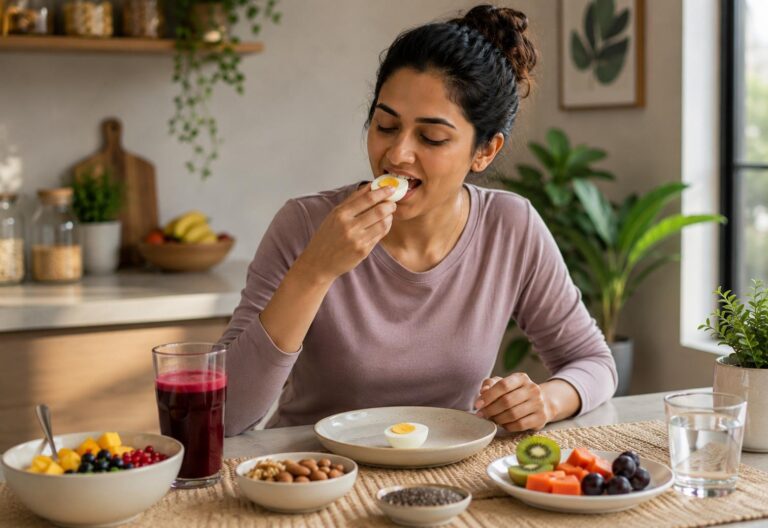
Batch cook the basics. Keep soaked nuts ready. Chop veggies ahead. Make khichdi your best friend—it’s basically the ultimate sattvic comfort food. Pair the diet with mindful eating: slower bites, no phone at the table, actually tasting your food. Sounds simple. Works ridiculously well.
Bottom Line
A sattvic diet plan isn’t a crash diet or a spiritual test. It’s a gentle, sustainable way of eating that leans on fresh vegetarian Indian food, light cooking, and simple ingredients you probably already have. You’ll likely lose weight because you’re eating less processed junk. You’ll likely feel sharper because your digestion isn’t fighting you all day.
Start small. Swap one meal a day. Ditch the late-night snacking. Cook fresh where you can. If you’d like a personalised sattvic plan built around your body, lifestyle, and goals, Anupama can help you build one that actually fits your life—not somebody else’s Instagram version of wellness.
Frequently Asked Questions
Can I eat rice on a sattvic diet plan?
Yes, absolutely. White rice and brown rice are both considered sattvic when freshly cooked. Khichdi made with rice and moong dal is a staple sattvic meal in Indian households.
Why are onion and garlic avoided in sattvic eating?
According to Ayurveda, onion and garlic are considered rajasic and tamasic—meaning they overstimulate the mind and body. Sattvic cooking uses milder spices like cumin, ginger, and hing (asafoetida) for flavour instead.
Is ghee allowed in a sattvic diet plan for weight loss?
Yes, ghee is not just allowed but encouraged in moderation. A teaspoon of ghee on your khichdi or roti aids digestion and provides healthy fats without hindering weight loss when used mindfully.
Can I drink tea or coffee on a sattvic diet?
Regular tea and coffee are generally avoided because of their stimulating effects. Instead, opt for herbal teas like ginger tea, tulsi tea, or fennel tea, which are calming and sattvic.
How long does it take to see results with a sattvic diet plan?
Most people notice improved digestion and mental clarity within the first week. For weight loss, expect gradual, sustainable results over 3-4 weeks when combined with portion control and mindful eating habits.
Ready When You Are
We’re just a message away from getting started.